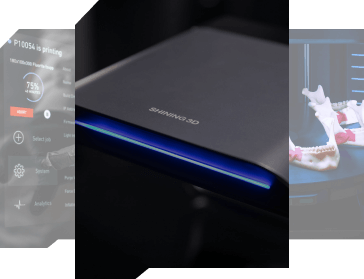
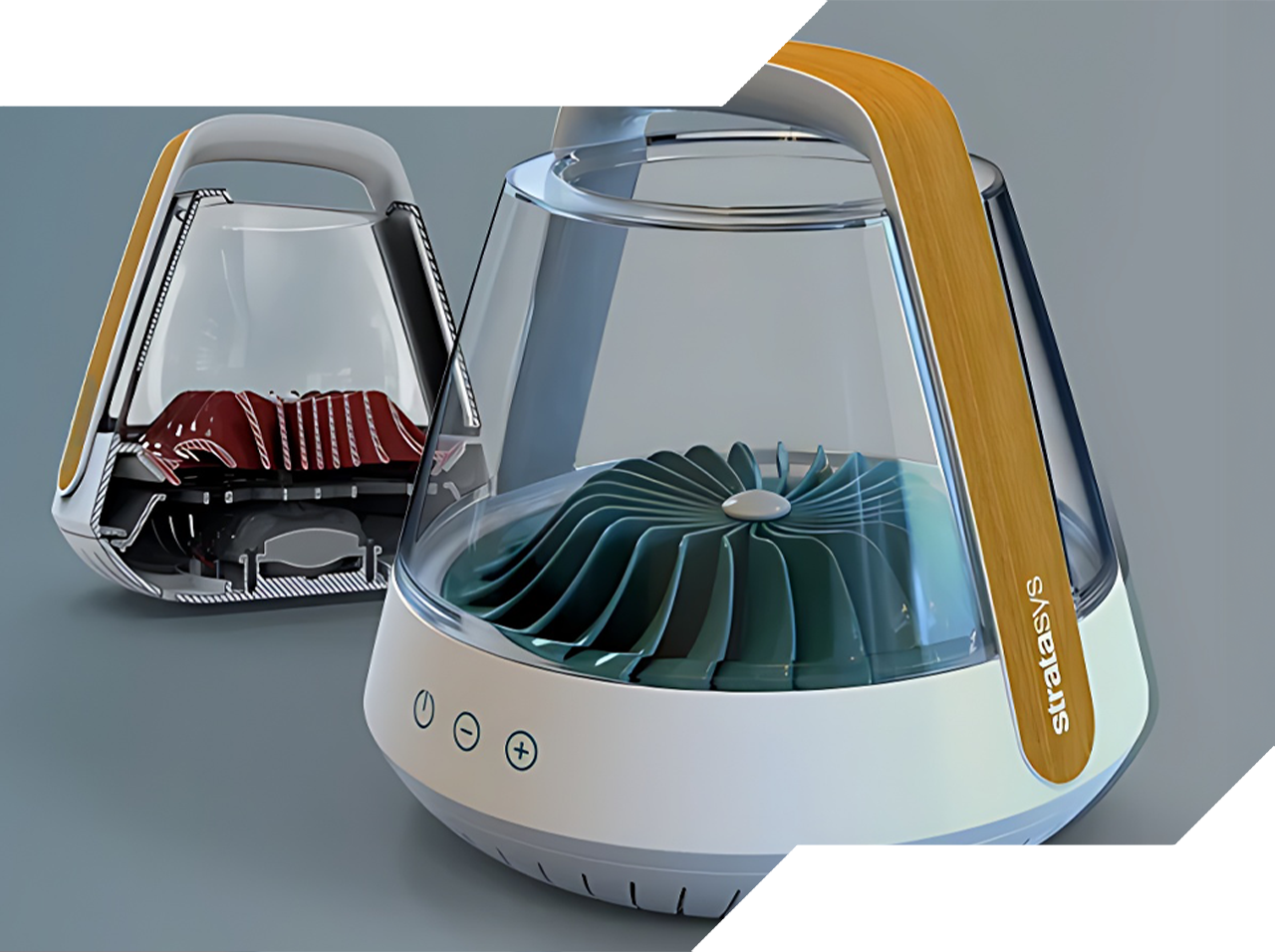
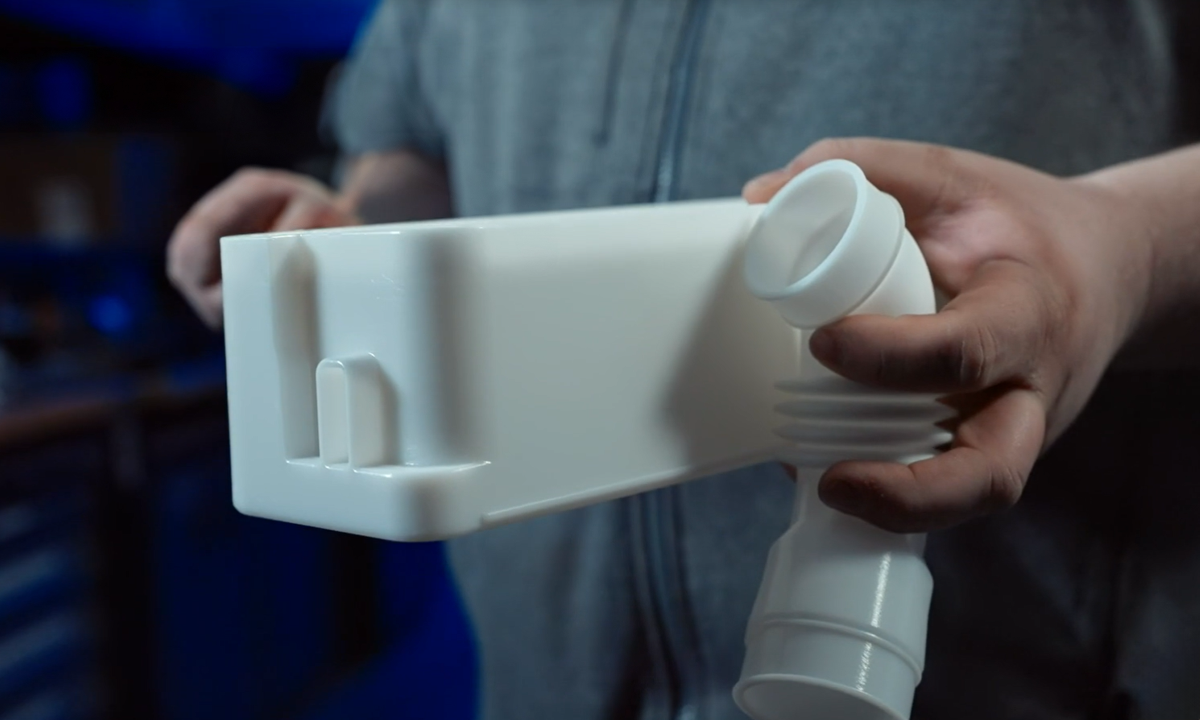
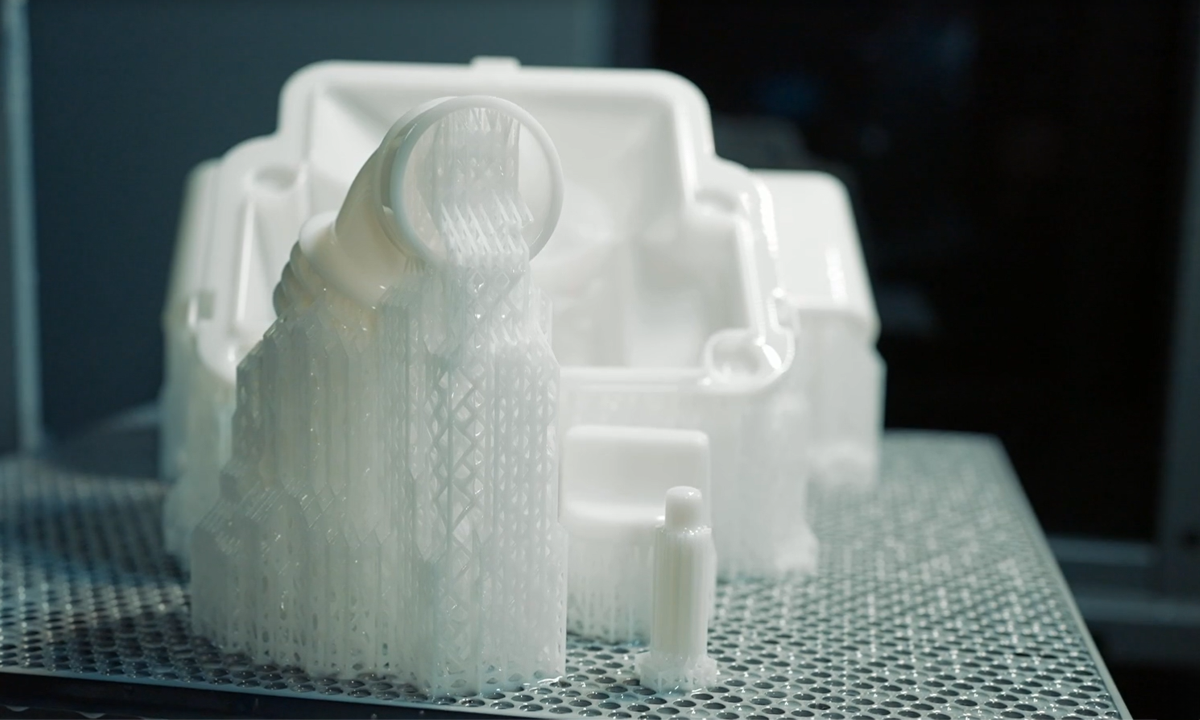
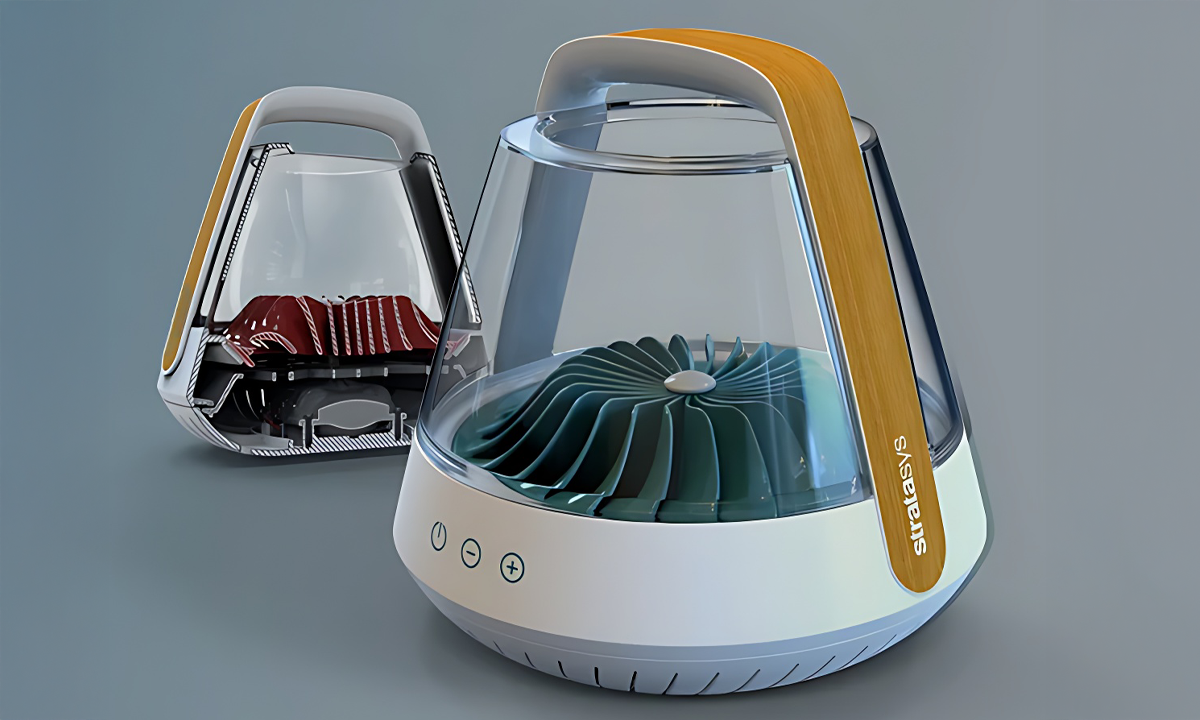
In the home appliance industry, 3D printing solutions accelerate the prototyping of new appliances and allow quick testing of housing components, handles or functional components. They also facilitate the production of spare parts, shorten delivery times and offer the possibility of personalizing accessories tailored to users’ expectations.
In the home appliance industry, it is important to test new designs quickly and minimize the time to market factor. It can be about creating prototypes of cases, mechanical and functional components.
Increasing demand for personalized household appliances (e.g., appliances in custom colors or with matching accessories) requires flexibility in production and changes in production lines.
Traditionally manufactured household appliance parts often have design limitations due to molding technology. The most common are complex geometries with internal channels or the need to reduce component weight.
The lack of availability of spare parts for older models of household appliances makes it necessary to replace entire appliances. There is a need for on-demand production of hard-to-find components to extend the life of equipment and reduce electronic waste.
A frequent need arising from legislation and local conditions is to reduce material waste, recycle plastic and support environmentally friendly activities in the industry.
3D printed parts are the answer to the long waiting time for an injection mold and its high cost for short runs.
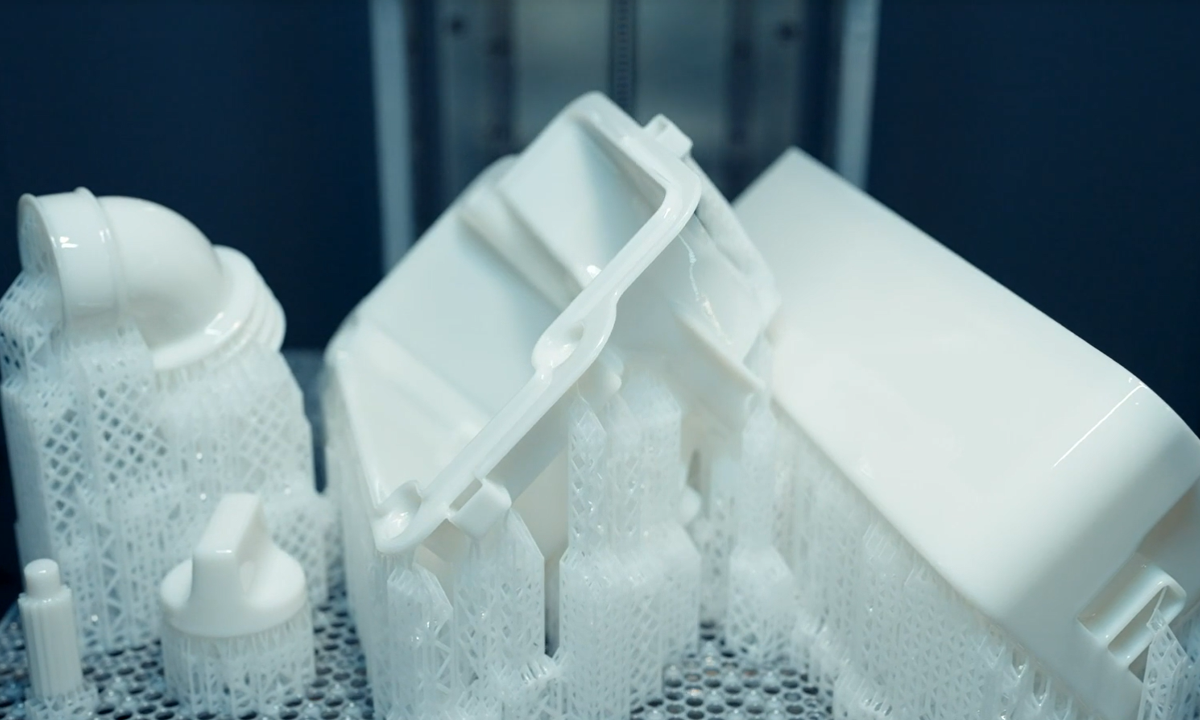
3D printing makes it possible to produce weight and geometrically optimized parts. Parts will be lightweight yet strong.
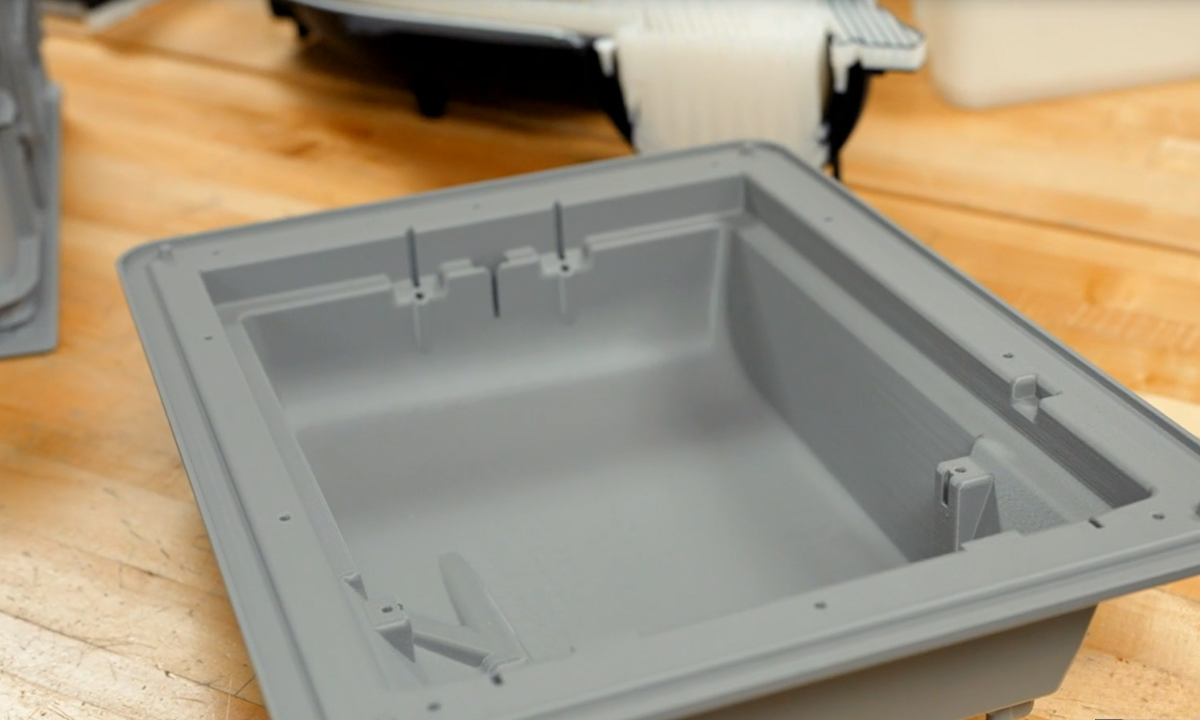
3D printing allows for instant prototyping of enclosures, mechanical components and other parts, reducing the time from design to product launch.
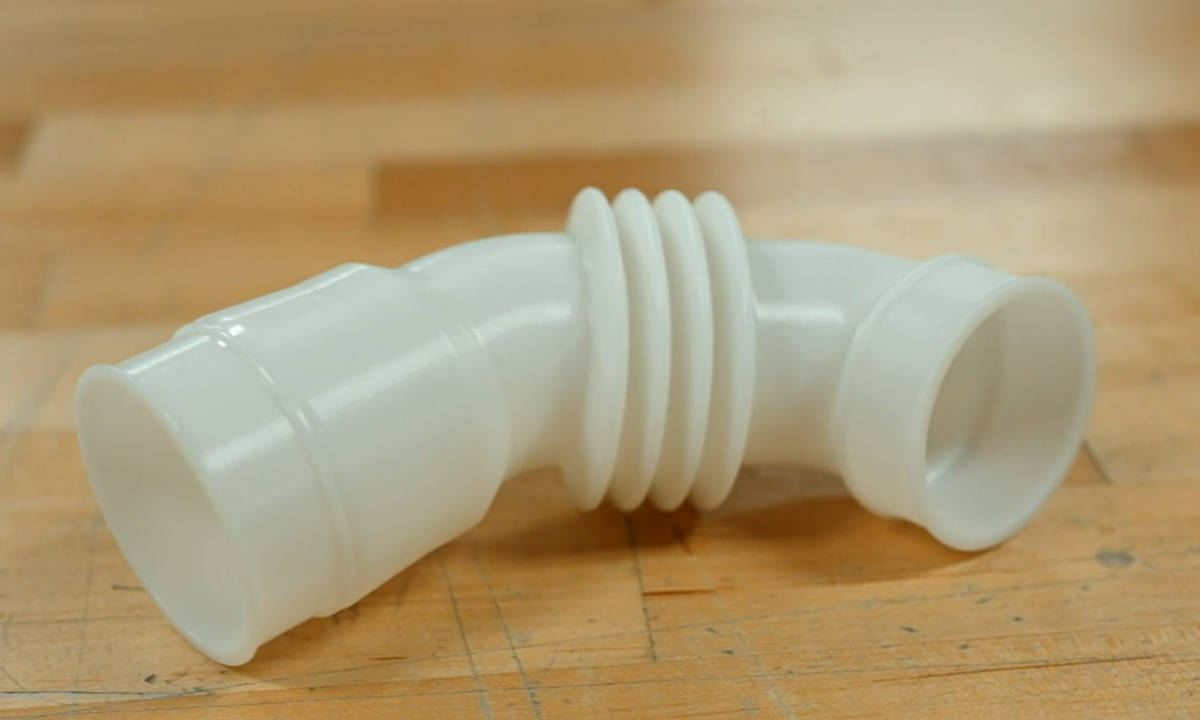
3D printing means shorter prototyping cycles, without relying on injection molding. With technologies like PolyJet, prototypes can be colorful, multi-material and functional.
There is a wide range of materials available for 3D printing: flexible, non-conductive, impact-resistant and heat-resistant. You can adjust the material properties with each project separately.
Some 3D printing systems can use recyclates and pellets, which contributes to closing plastic cycles and a green image for companies.
3D printing from metal will allow you to print maximum-strength components and spare parts. Eliminate the concern about the durability of polymers!
3D printing is easy to implement in the home appliance industry. No lengthy equipment training is needed – Stratasys, Formlabs, UltiMaker and BLT products are plug & print.
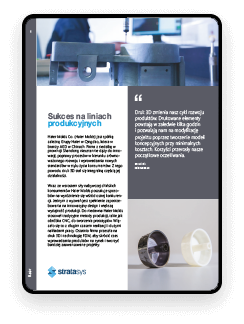
Download resources about 3D printing applications in the home appliance industry. Check out how Haier Molds Co engineers used 3D technology from Stratasys.
By reading materials in the form of case studies, you will learn more about the concept of 3D printing in the home appliance industry and consider how such solutions could be useful in your institution. We write about technologies and explain a range of technical issues.
Read about our and our partners’ implementations in the home appliance industry.
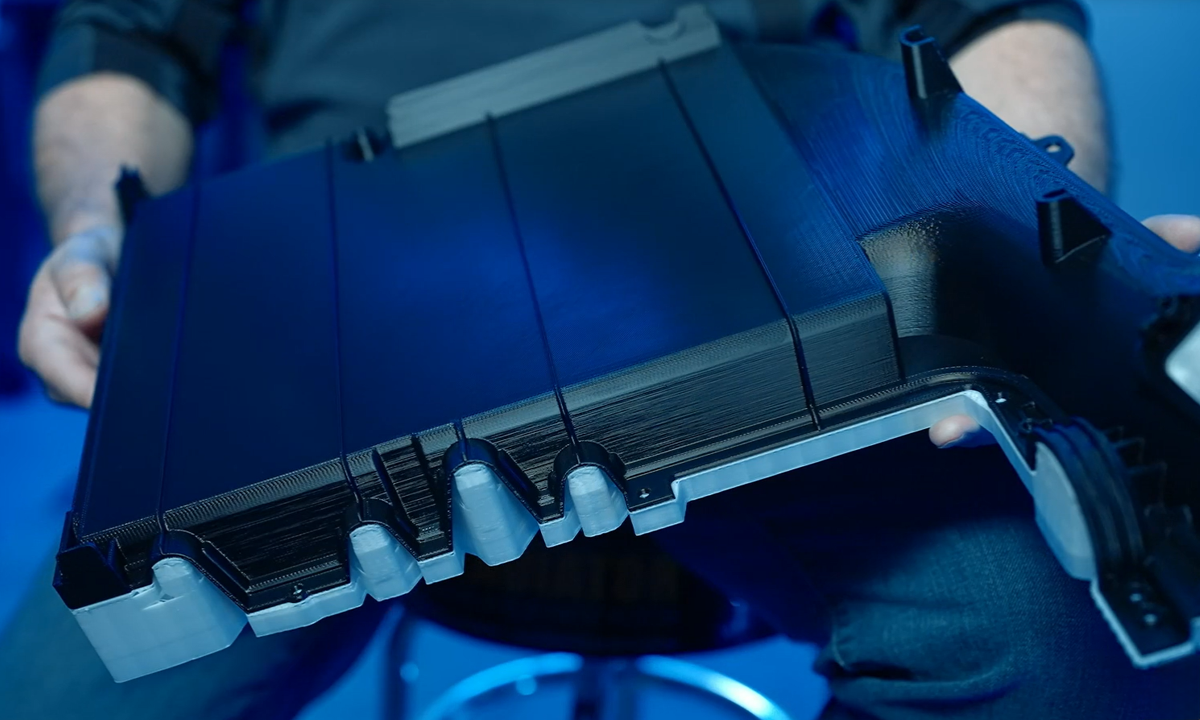
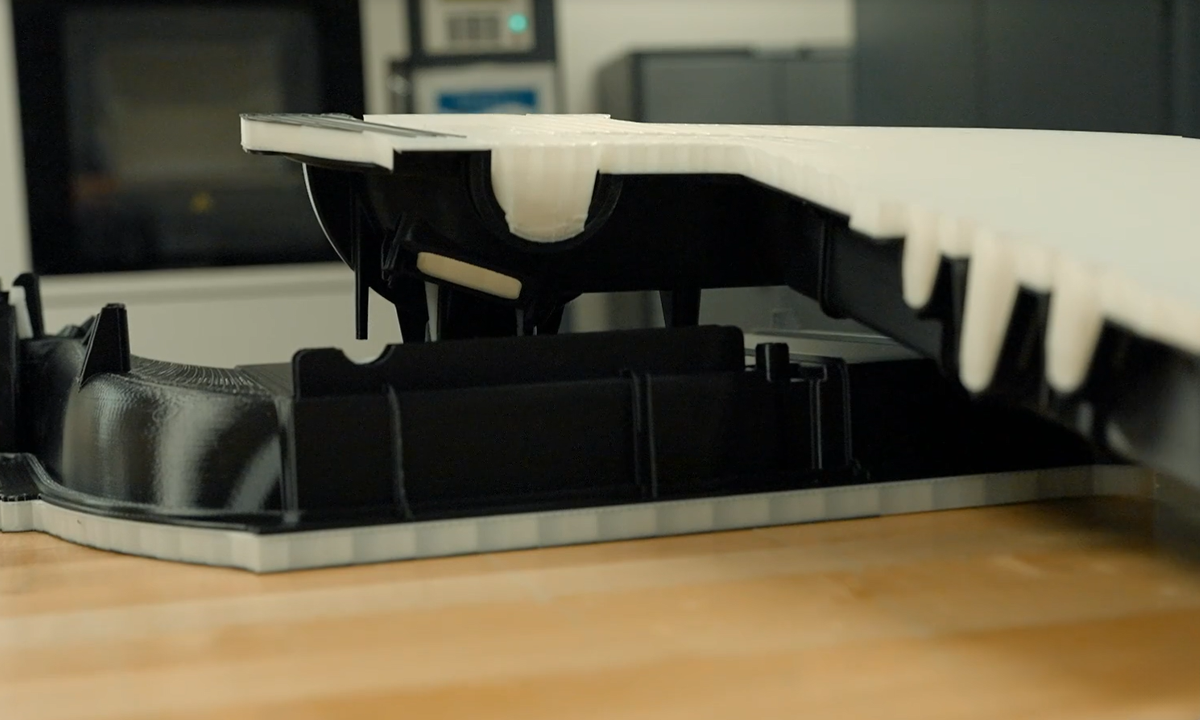
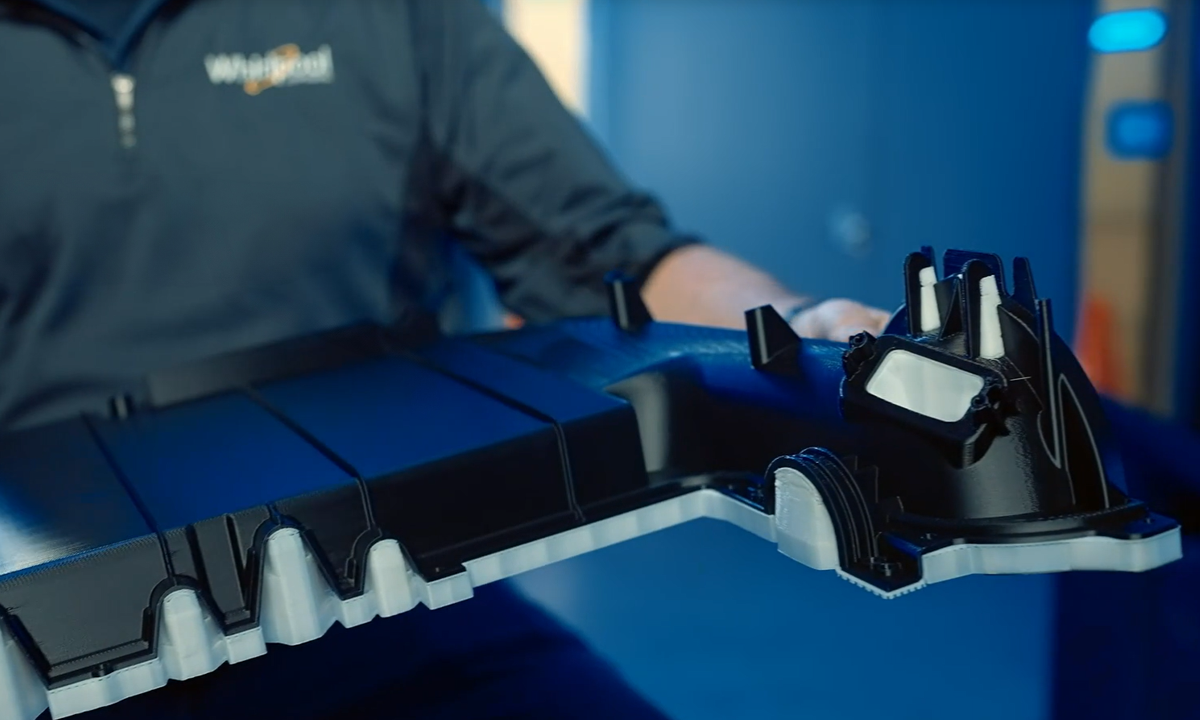
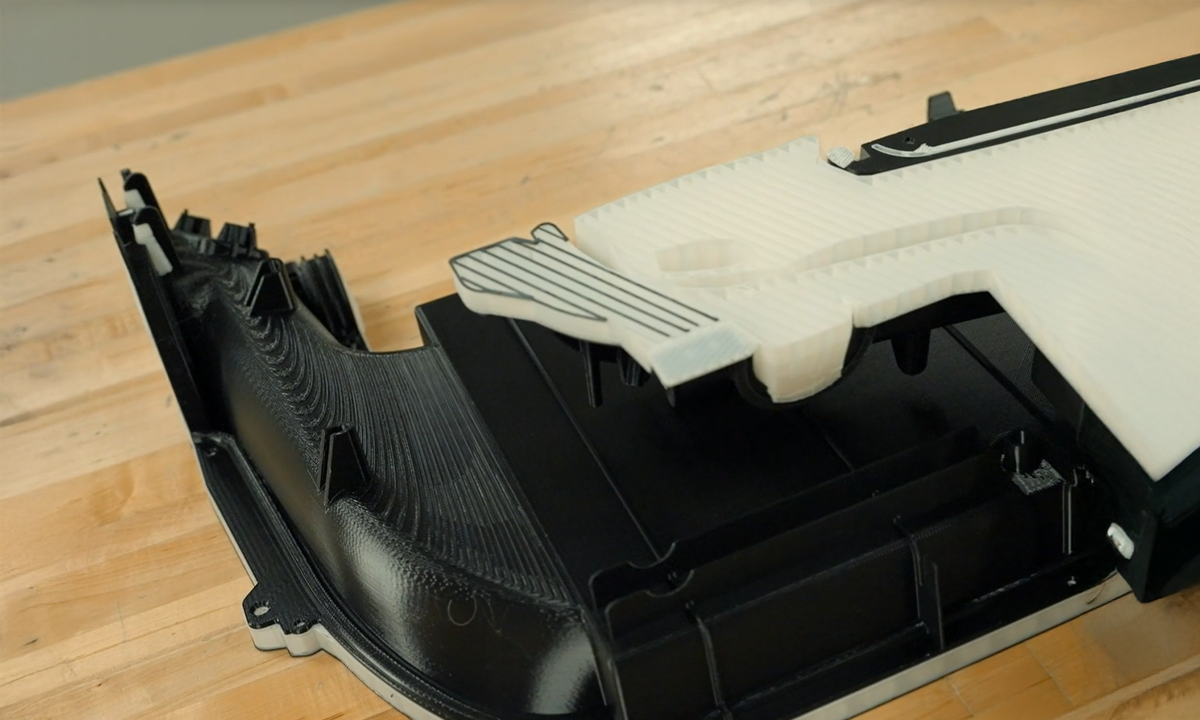
Kitchen appliance manufacturer Sub-Zero has installed a Stratasys F770 large-format 3D printer in their factory.
With this device, the company can save 30 to 40% of the expenses it previously spent on outsourcing prototypes to external suppliers.
The Stratasys F770 printer features the largest X-axis working area in the Stratasys lineup at as much as 1,000 mm, making it possible to produce very large objects or production runs.
Previously, the company used a Stratasys F900 to produce tools and fixtures from engineering materials and decided to expand its 3D printing fleet.
“Big is always better – you can make a lot of small parts on a big machine, but you can never make big parts on a small machine.”
Doug Steindl, engineer at Sub-Zero
If you are thinking about using 3D printing and want to learn more and count the return on investment, talk to our 3D printing consultant.
As part of the conversation, the consultant:
In furtherance of our cooperation:
Do you have a specific problem or challenge that 3D printing could solve?
What size parts do you want to print? The most common prints are important, as they are the ones worth investing in 3D printers for.
What is more important to you aesthetics or the durability of the print? This will help us determine the right printing technology.
Is the print to meet any additional requirements? E.g. chemical resistance, heat resistance, biocompatibility certificate, pressure resistance, low weight, handling of very heavy loads, abrasion resistance, good sliding properties, etc.
If you prefer a direct form of communication, below you will find
our phone and email contact.
Implementations: +48 577 127 775
Ordering materials: +48 733 501 666
3D printing services: +48 666 682 400
info@druk3d.cx
zamowienia@druk3d.cx
uslugi@druk3d.cx