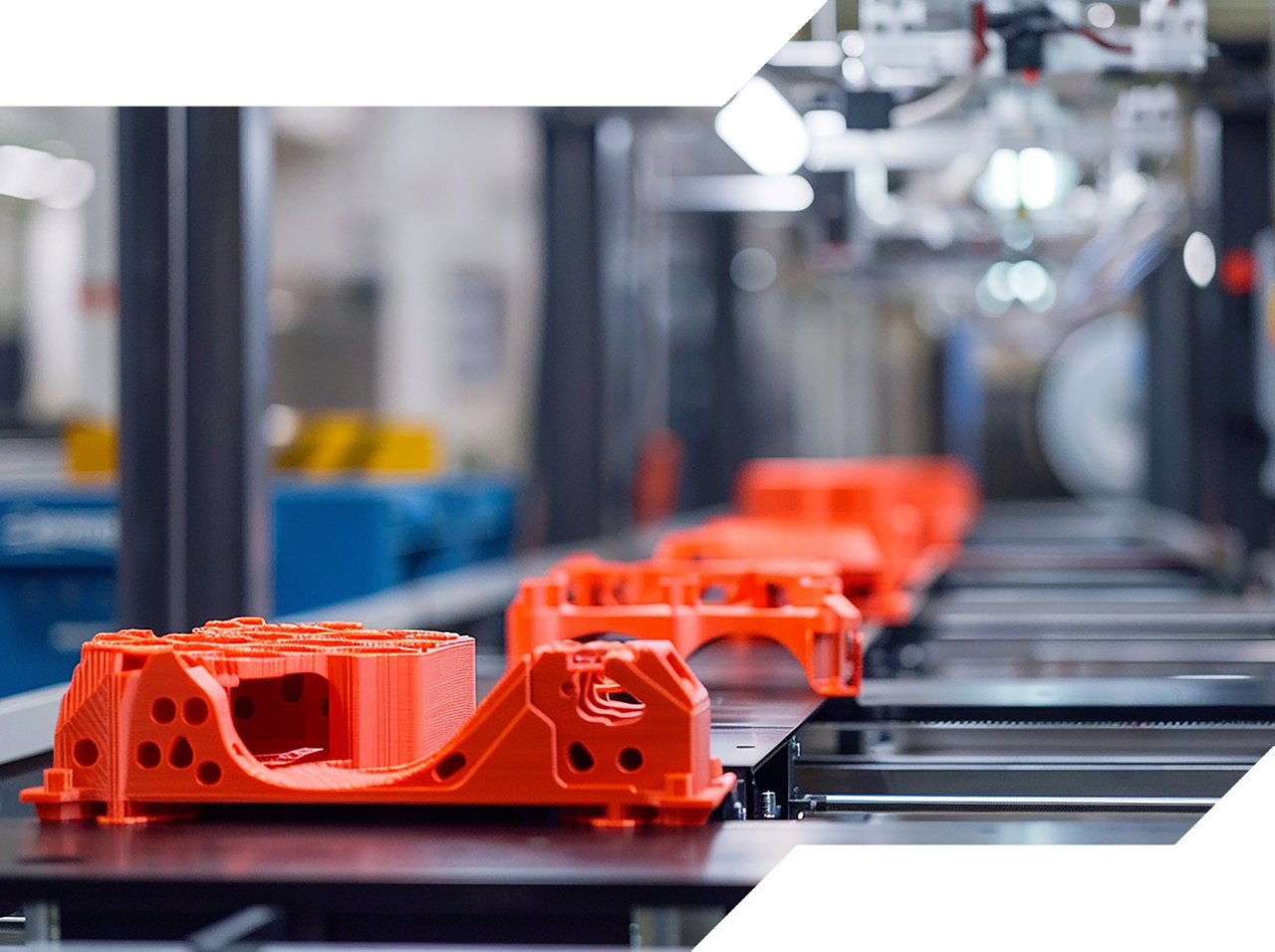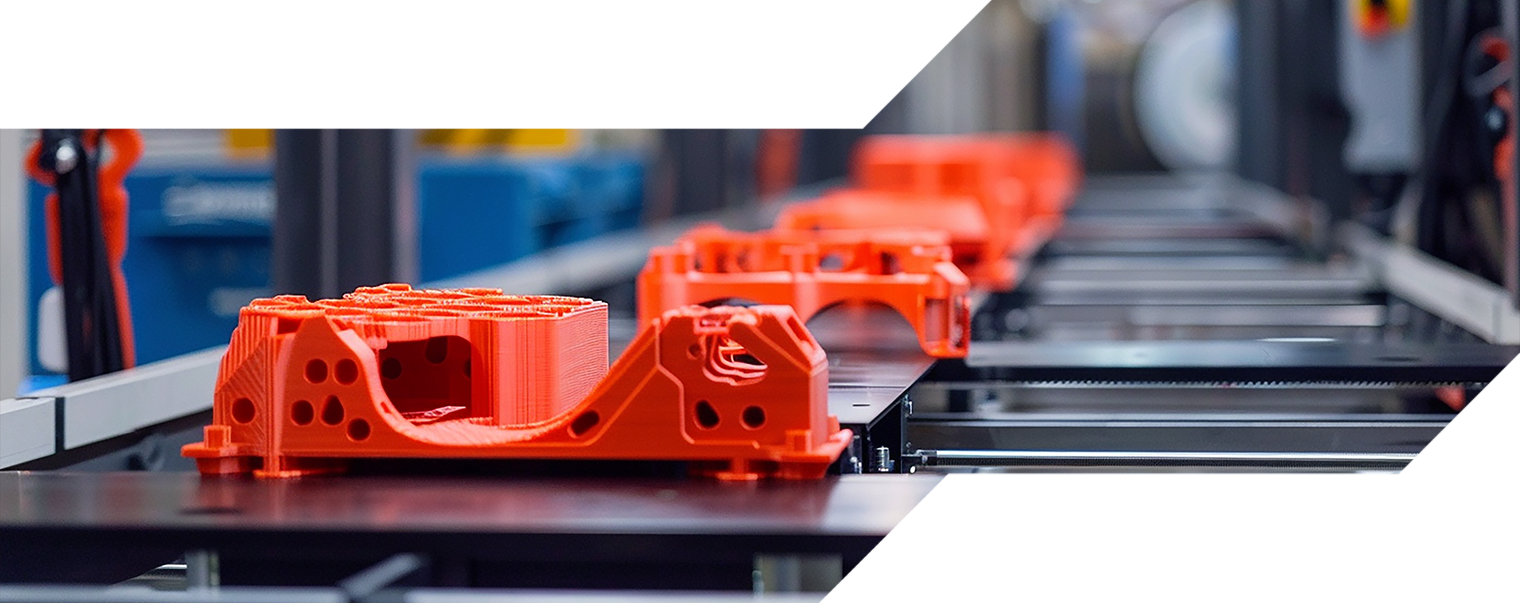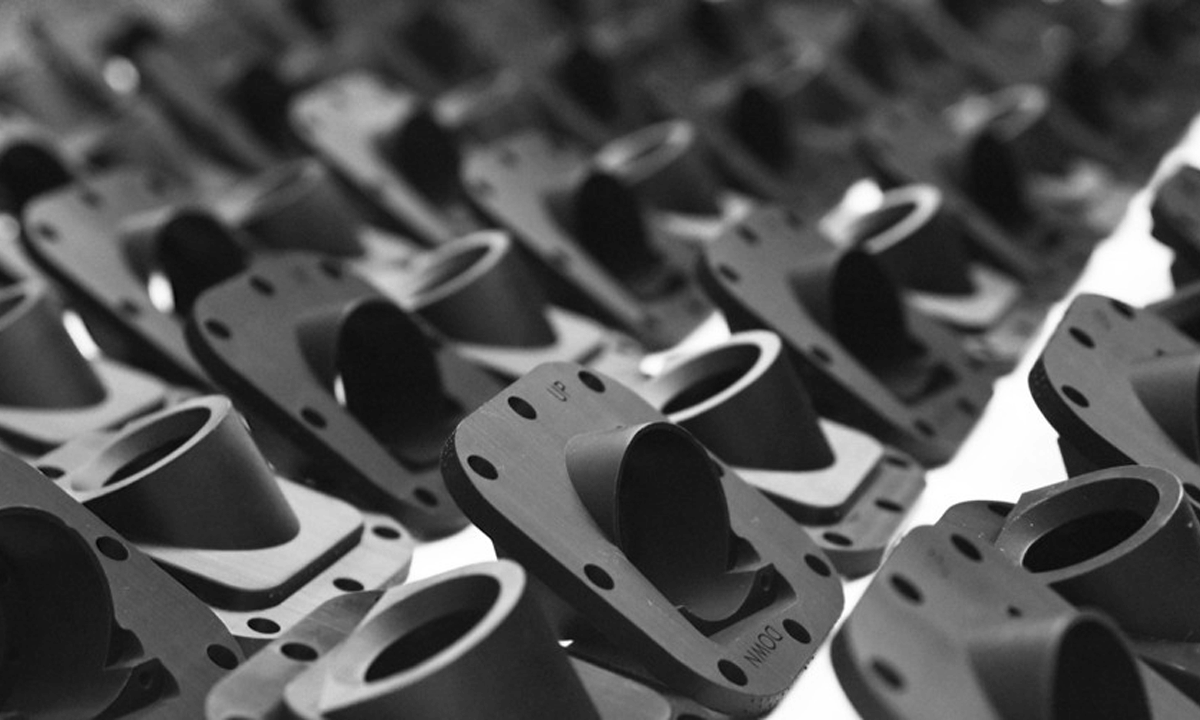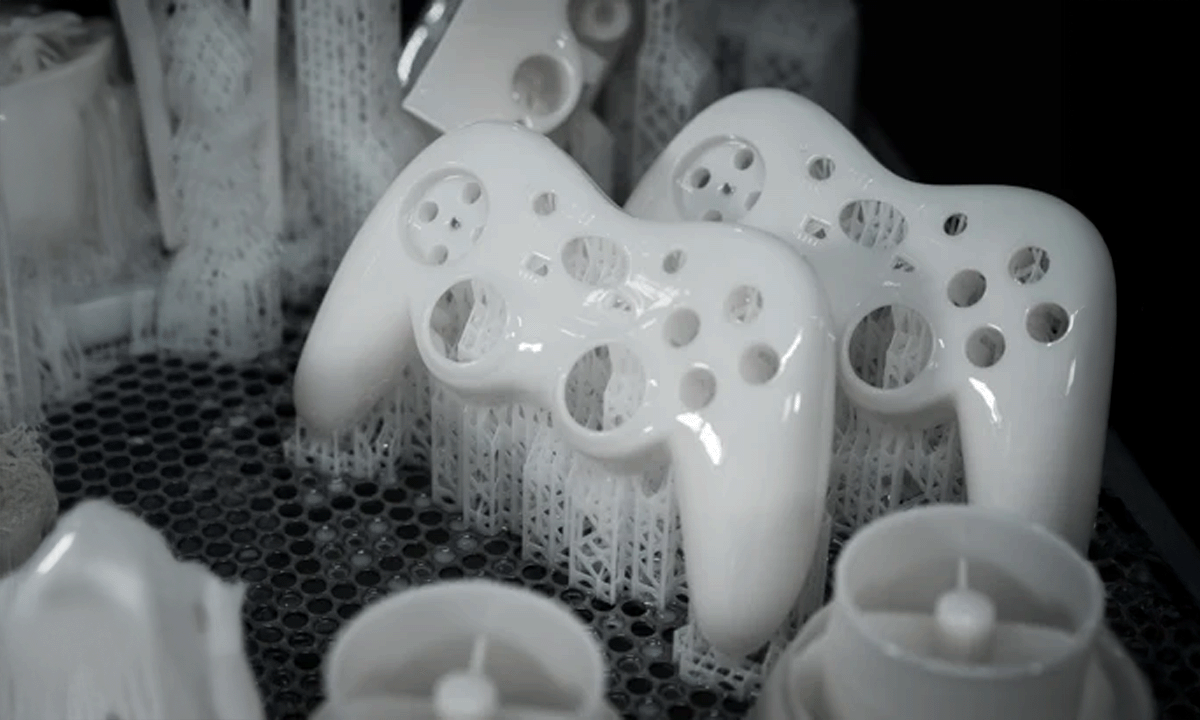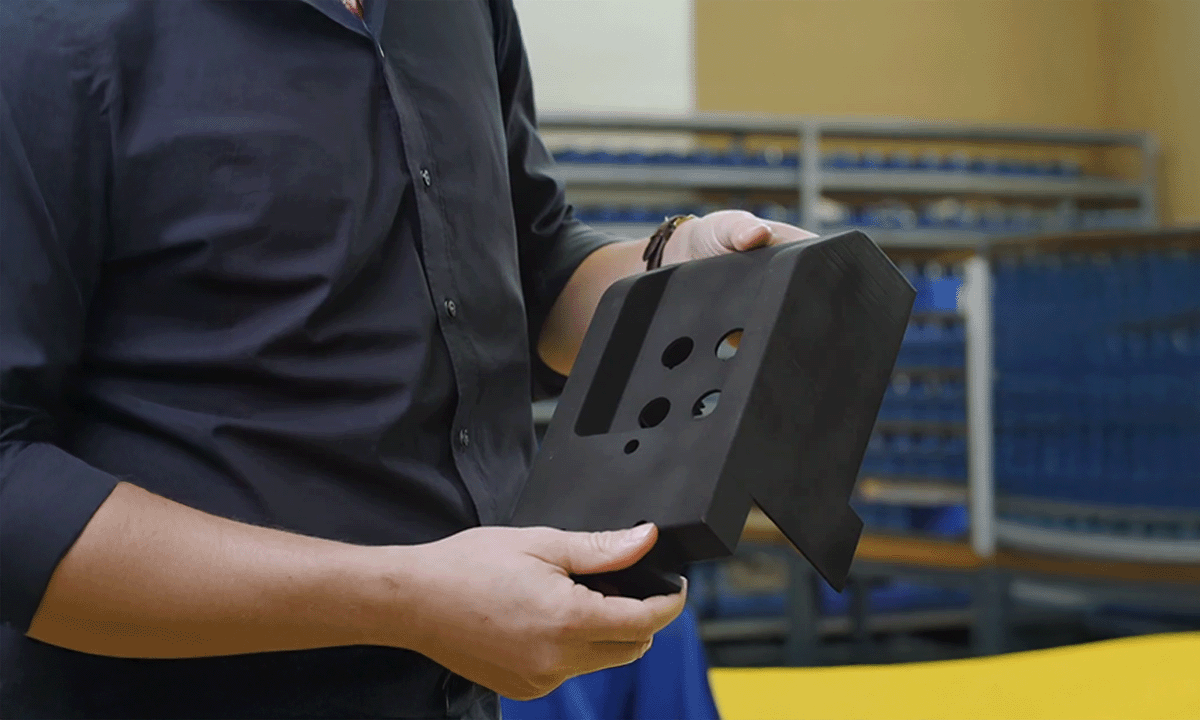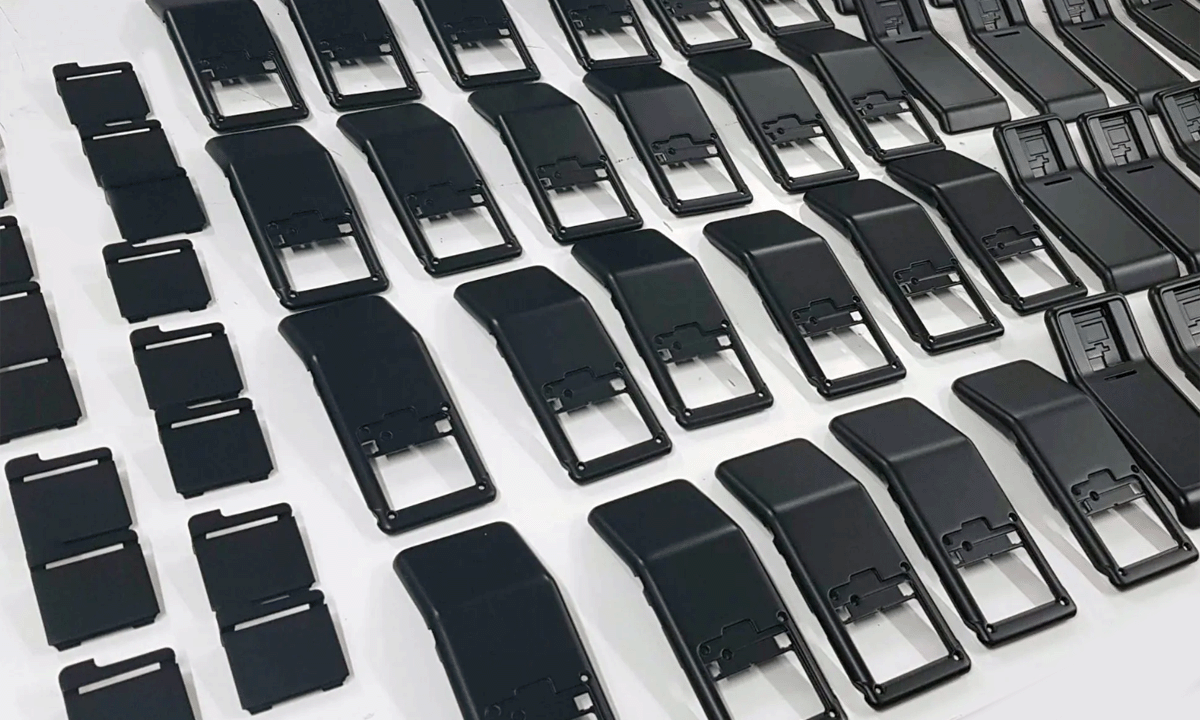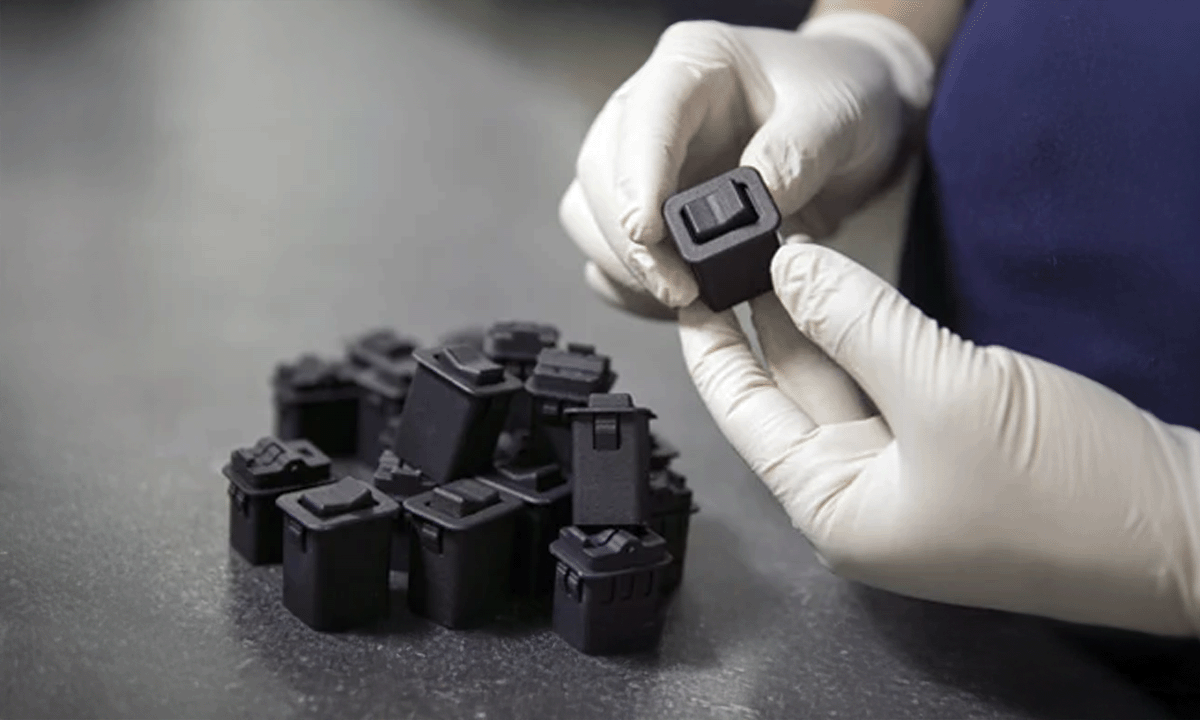

3D printing solutions serve well in rapid prototyping, creating complex geometries, reducing short-run production costs, minimizing material waste, and increasing process flexibility.
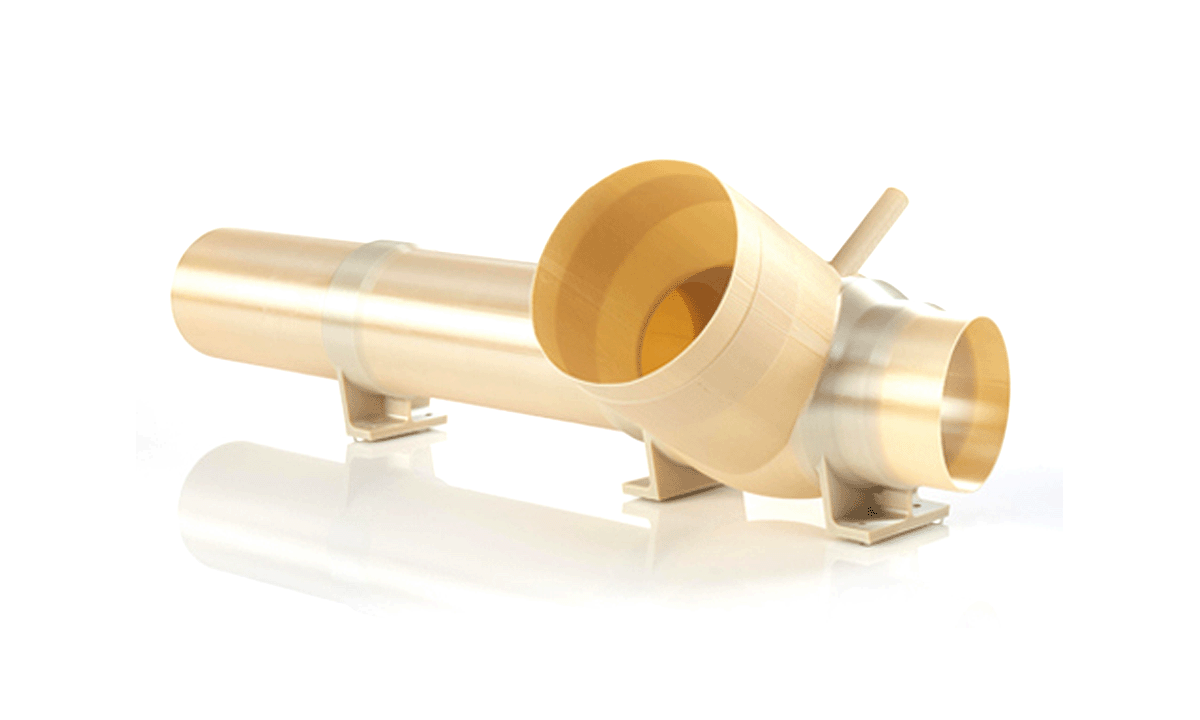
In the manufacturing industry, there is a need to create complex geometries that can be difficult or expensive to produce using traditional methods.
Traditional production methods require a long time to prepare molds, tools and production lines.
Cost optimization for short-run and personalized production. Small batch or personalized production often involves high costs for preparing traditional tools and molds.
Problems with the supply of spare parts and components can disrupt production continuity.
Traditional manufacturing methods, such as machining, generate significant amounts of material waste.
3D printing enables rapid and precise prototyping of complex designs, which speeds up the product development process.
3D printing allows for rapid testing and iteration of designs, reducing the time it takes to bring new products to market.
3D printing enables cost-effective short runs and customization of products without additional tooling costs.
With 3D printing, companies can produce replacement parts on demand without maintainong a large inventory, which increases flexibility and reduces inventory costs.
3D printing allows the material to be used more efficiently, reducing waste and lowering raw material costs.
3D printing is easy to implement in production. No lengthy equipment training is needed – Stratasys, Formlabs, UltiMaker and BLT products are plug & play.
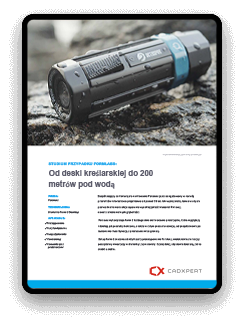
Download resources about production applications of 3D printing. Find out how Paralenz are applying 3D technologies.
By reading materials in the form of case studies, you will learn more about the concept of 3D printing in the manufacturing industry and consider how such solutions could be useful in your institution. We write about technologies and explain a range of technical issues.
Read about our implementations in the manufacturing industry.
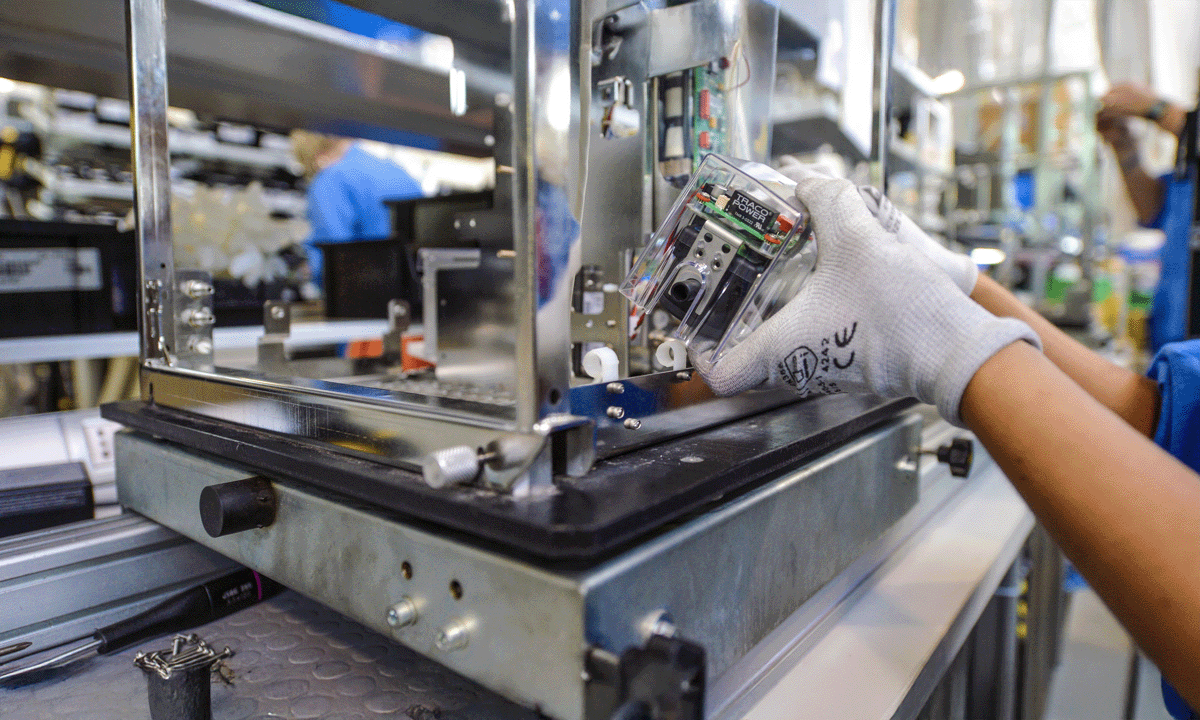
ILC Automation, a company specializing in the design and construction of industrial machinery, has implemented 3D printing technology to produce machine parts. They have been able to speed up the transition from design to finished part and the implementation of complex geometries.
The use of Stratasys F123 series printers has enabled the company to produce more than 10,000 parts, meeting the requirements for reduced component weight and short production runs.
This allowed ILC Automation to reduce part production time and keep the machines running even at night and weekends, which was not possible with traditional CNC machining requiring an operator.
“Typically, one 3D printer runs almost 24 hours a day. Prints run overnight are then assembled during the next working day. Some of these models are printed on a large scale.”
Sören Papsdorf, head of the production engineering team / KUKA
If you are thinking about using 3D printing and want to learn more and count the return on investment, talk to our 3D printing consultant.
As part of the conversation, the consultant:
In furtherance of our cooperation:
Do you have a specific problem or challenge that 3D printing could solve?
What size parts do you want to print? The most common prints are important, as they are the ones worth investing in 3D printers for.
What is more important to you aesthetics or the durability of the print? This will help us determine the right printing technology.
Is the print to meet any additional requirements? E.g. chemical resistance, heat resistance, biocompatibility certificate, pressure maintenance, low weight, handling of very heavy loads, abrasion resistance, good sliding properties, etc.
If you prefer a direct form of communication, below you will find
our phone and email contact.
Implementations: +48 577 127 775
Ordering materials: +48 733 501 666
3D printing services: +48 666 682 400
info@druk3d.cx
zamowienia@druk3d.cx
uslugi@druk3d.cx