
3D Printing in Medicine

3D printing in medicine
– what challenges?

01

Surgeries often require preparation. Doctors use surgical models for this purpose. Until now they were made with time-consuming traditional technologies.

02

Each patient has a number of individual anatomical features. These can be visualized on digital models in software, which is not as effective as using physical three-dimensional models.

03

The individualized shape of implants is often achieved only during surgery. To reduce the time of surgery, it proves useful to fabricate the implants in advance.

04

Accurate anatomical models are not always available for education, research and improvement. Academies and clinics in particular face this challenge.

05

In medicine, highly specialized, personalized tools are often necessary.

06

Many medical equipment parts have complex geometric requirements. Manufacturers want to know how to produce them while optimizing time and cost.

3D printing solutions in medicine

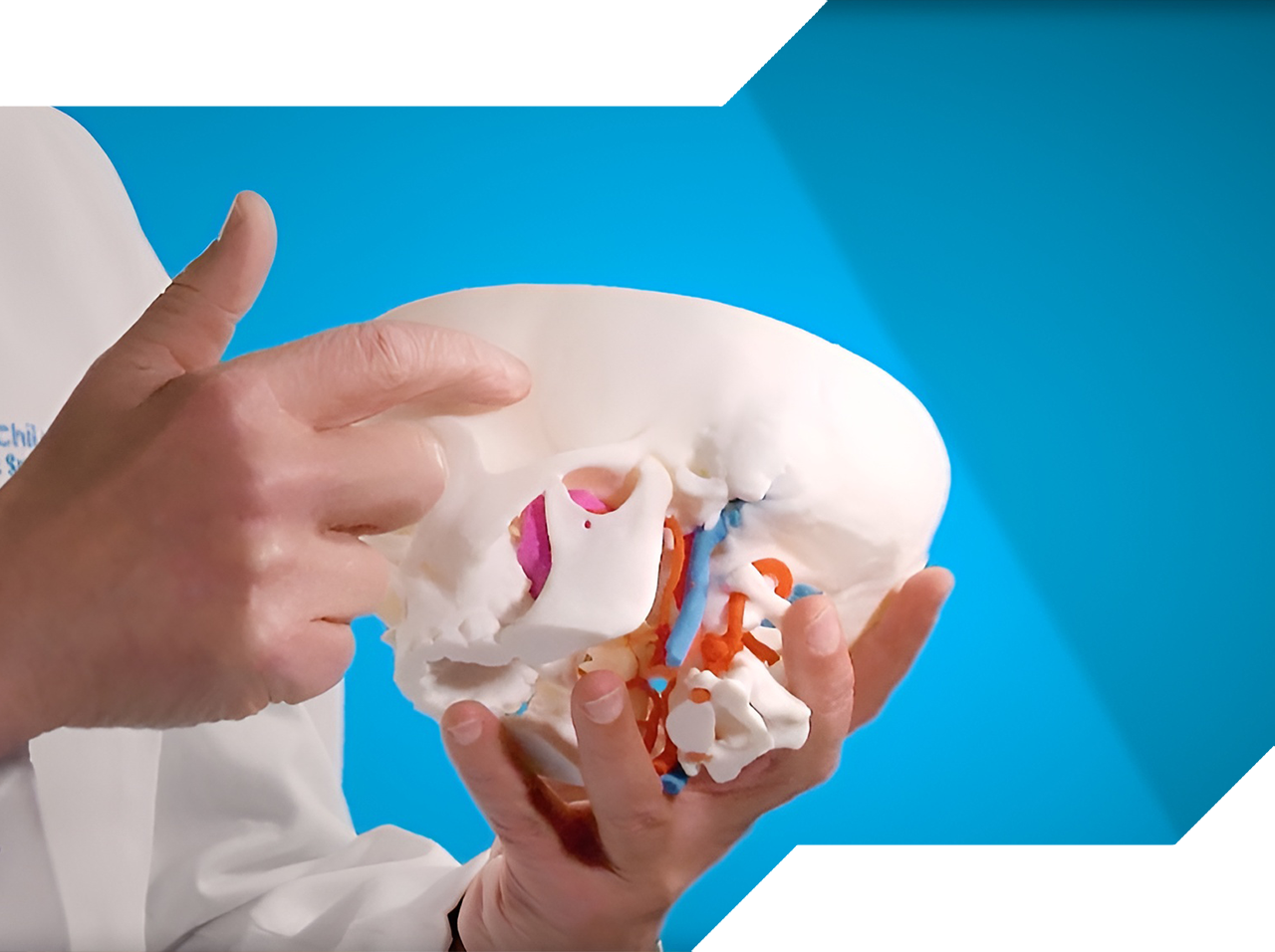
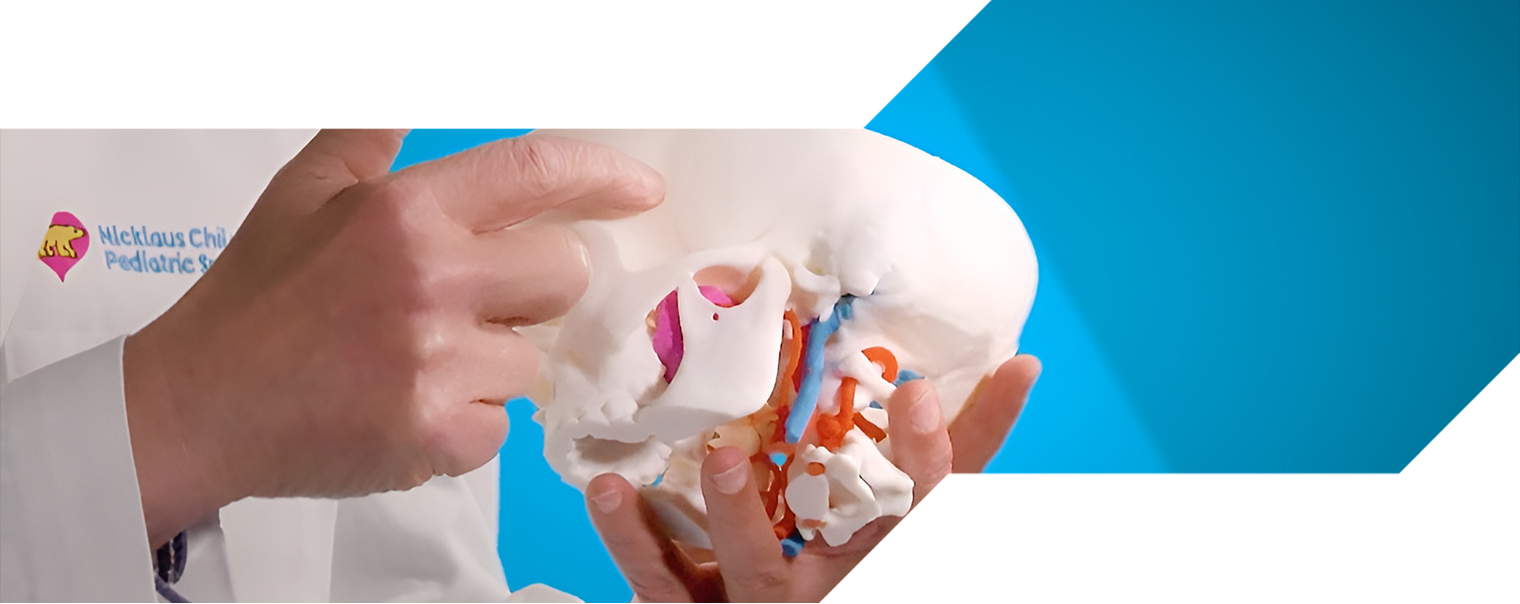
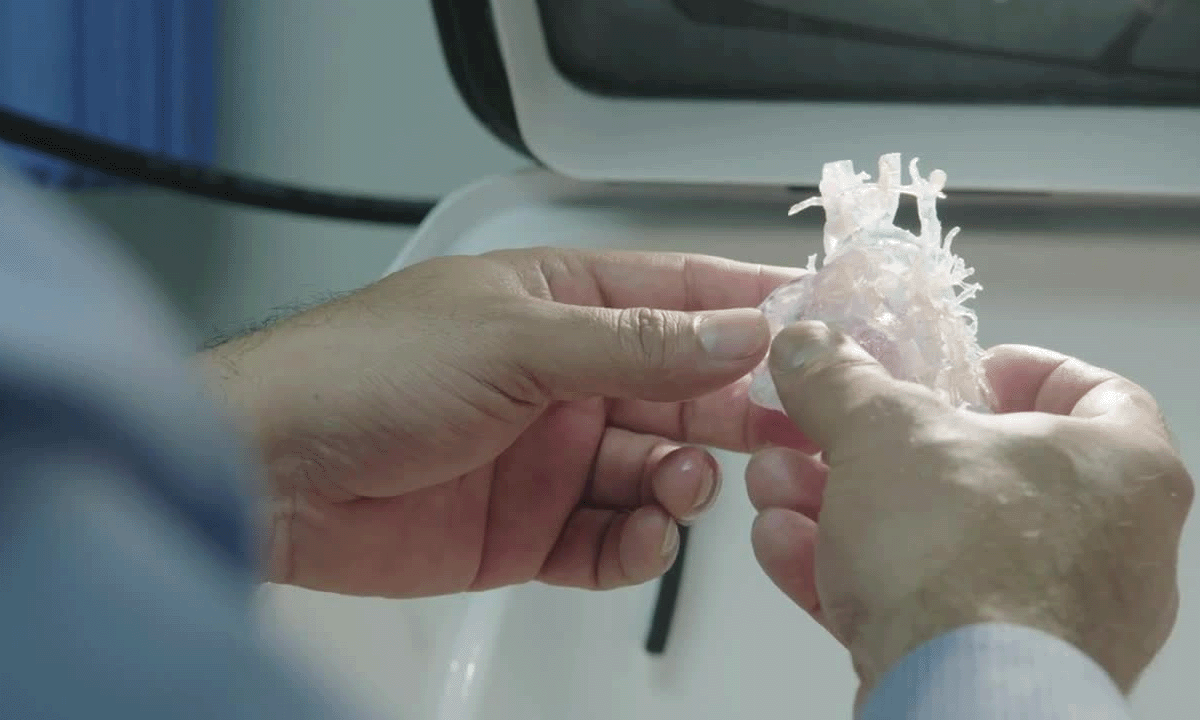
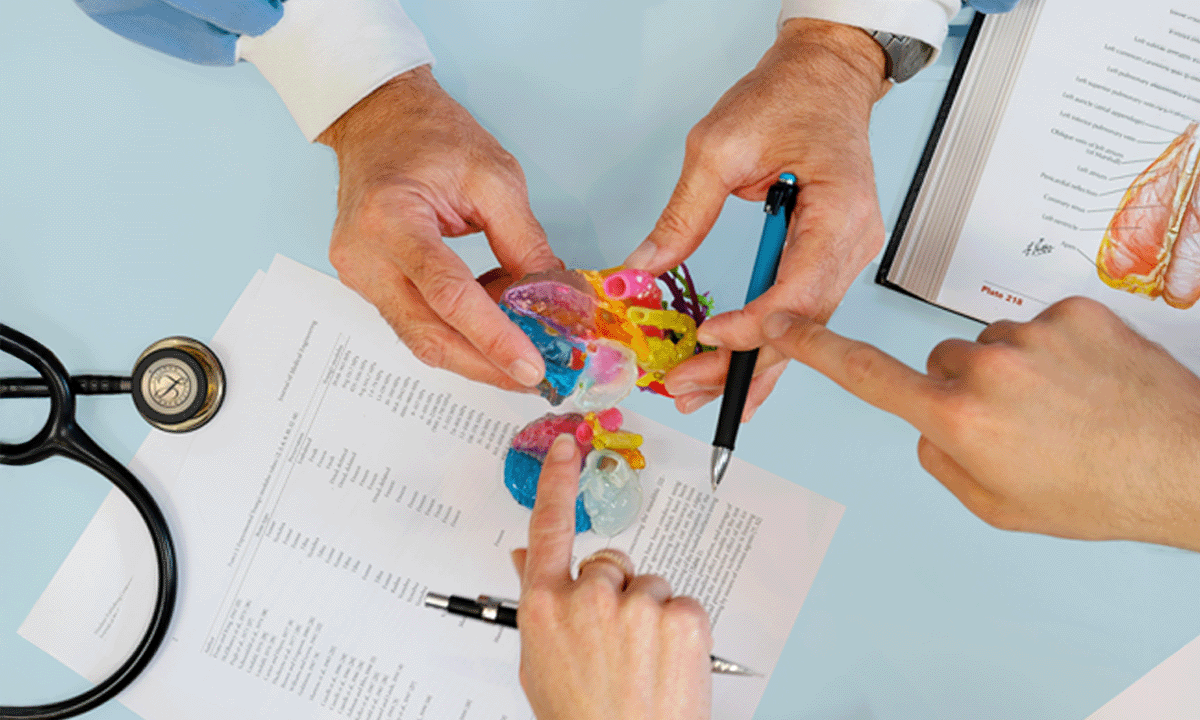
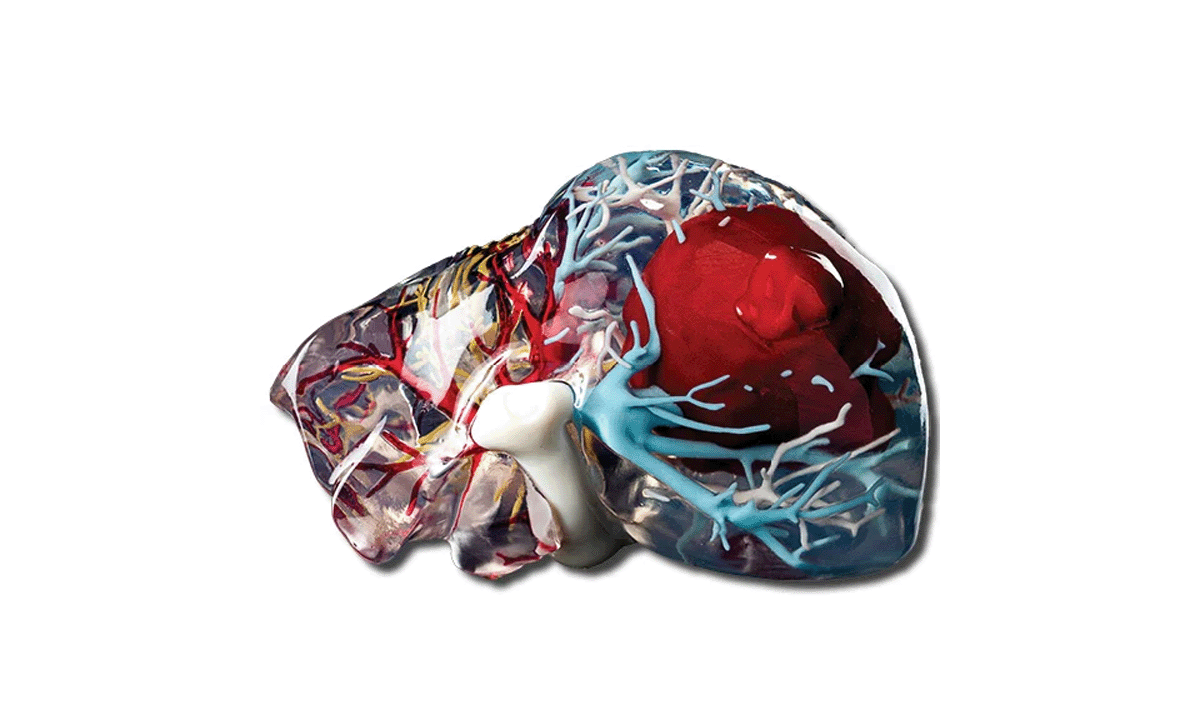
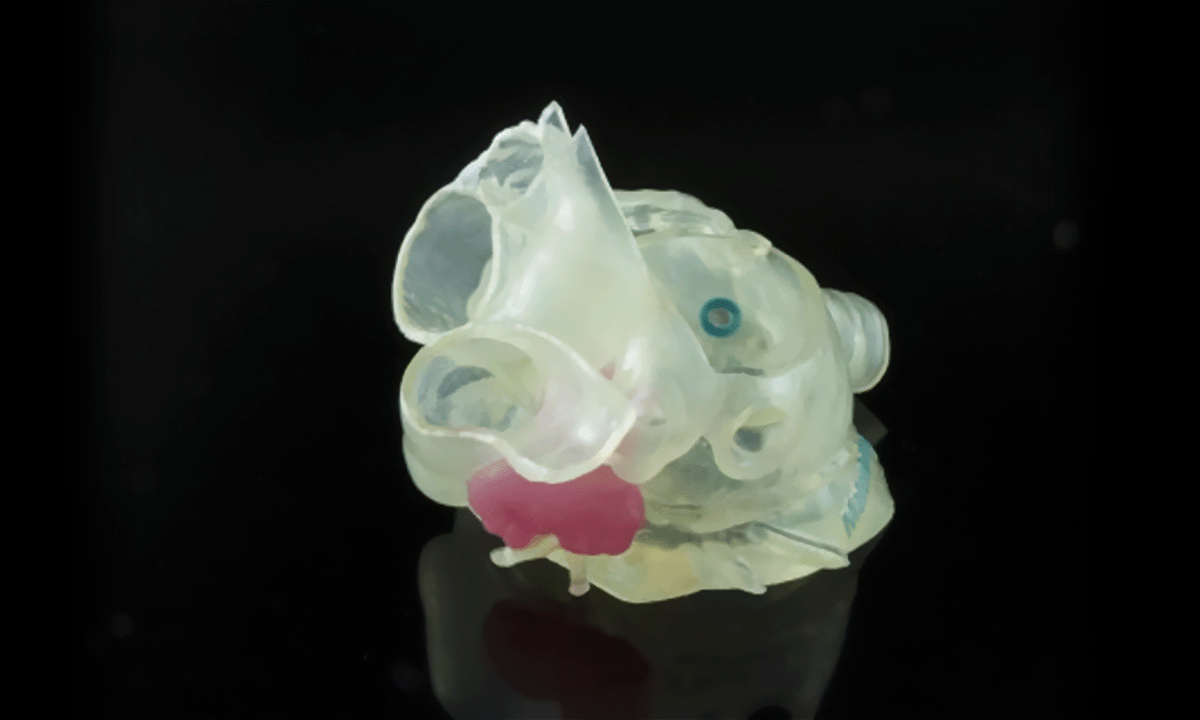
With 3D printed anatomical models, doctors will be able to plan operations step by step. This reduces the risk of medical errors.

Anatomical models also mean better communication between the doctor and the patient through the physical representation of individual features and pathology.

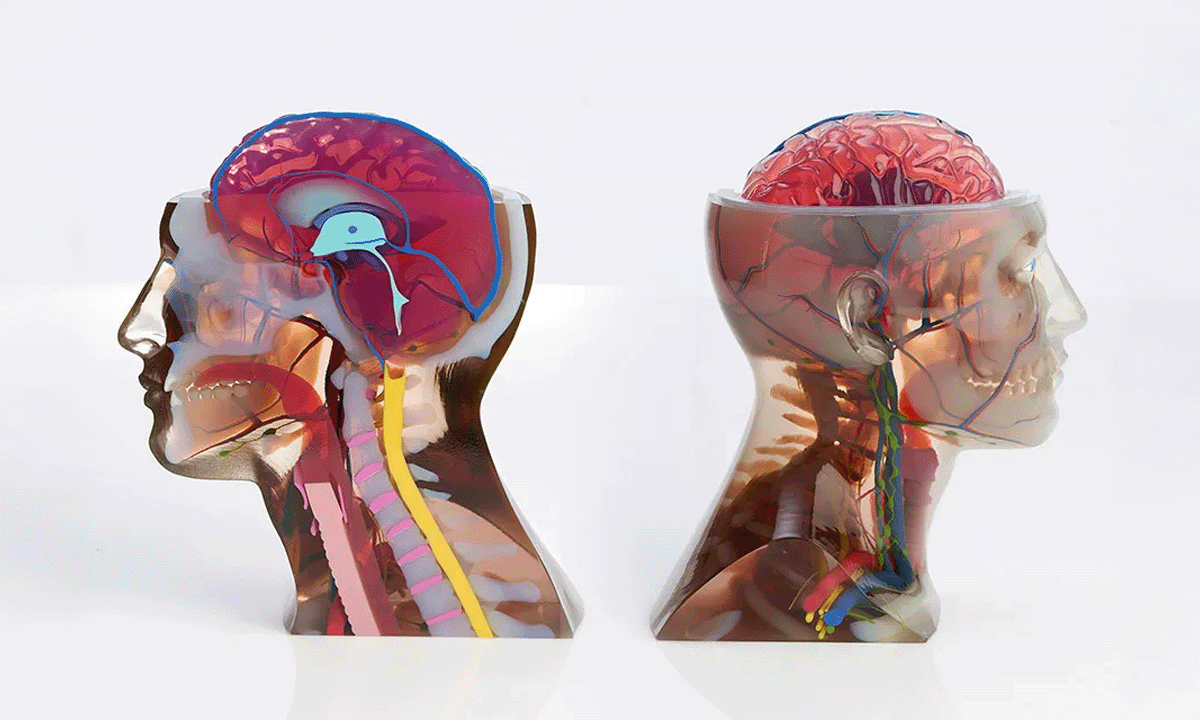
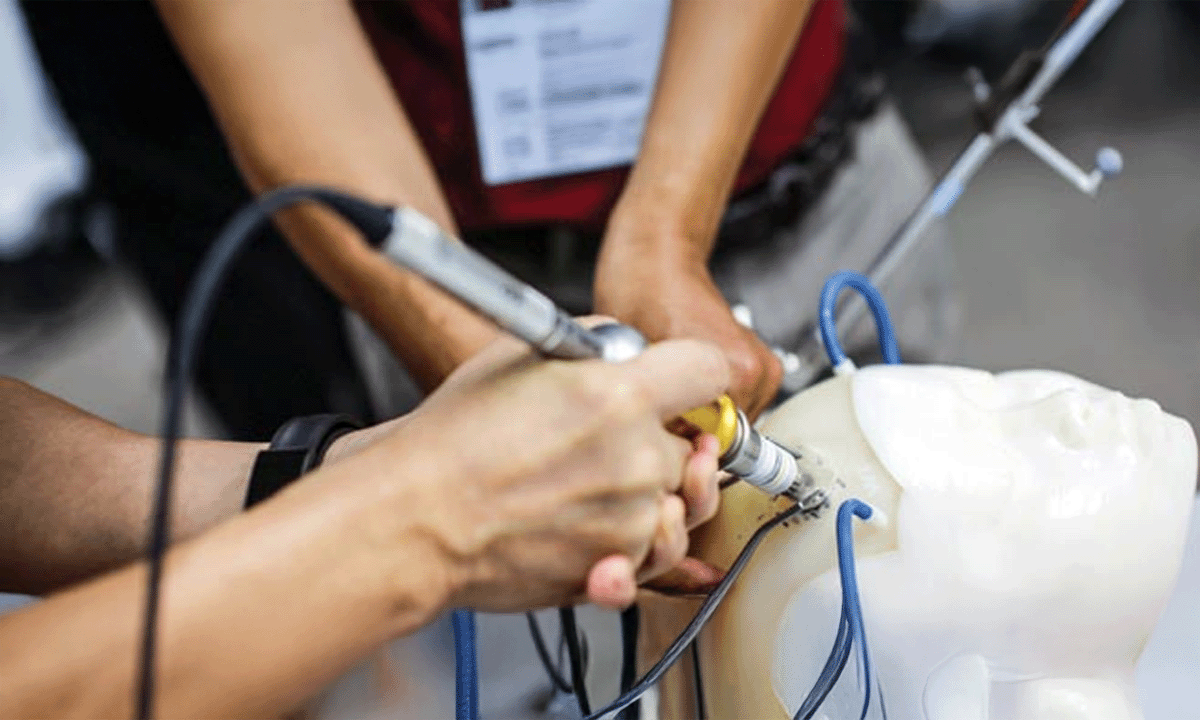
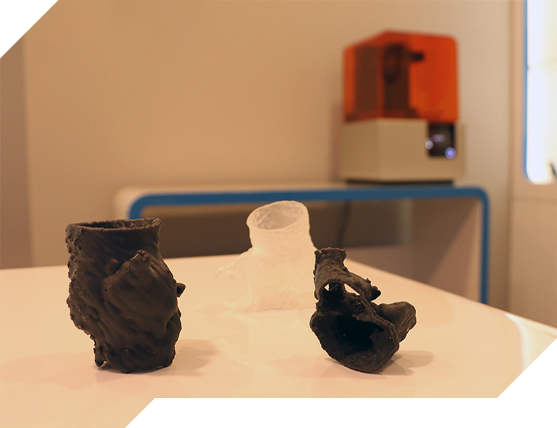
Surgeons at all stages of the professional path are trained on anatomical models. They are also used in research and development of new technologies.

Shorter surgeries due to the prior manufacture of implants reduce hospital costs.

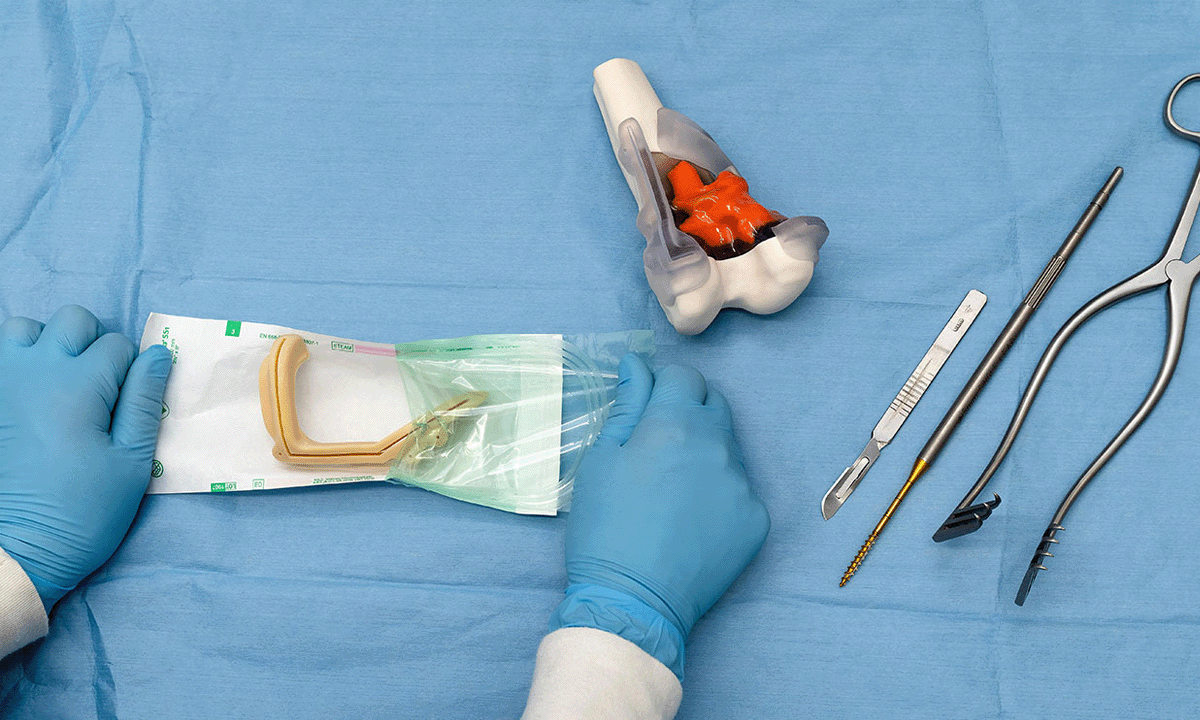
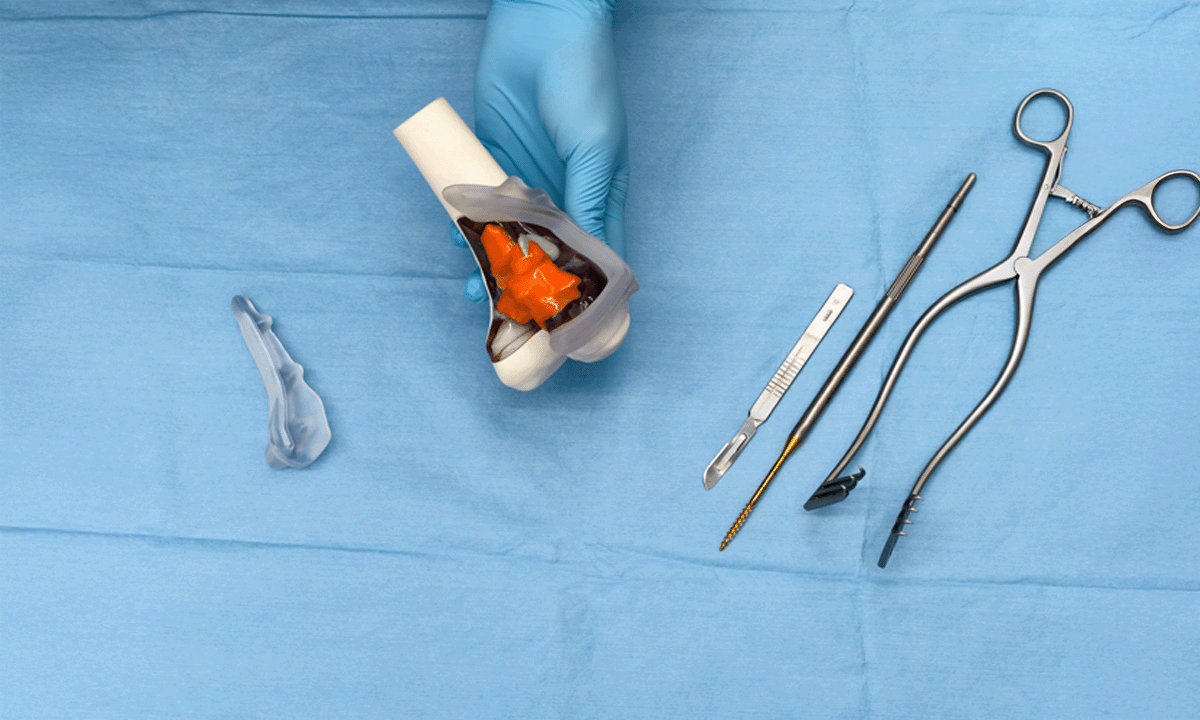
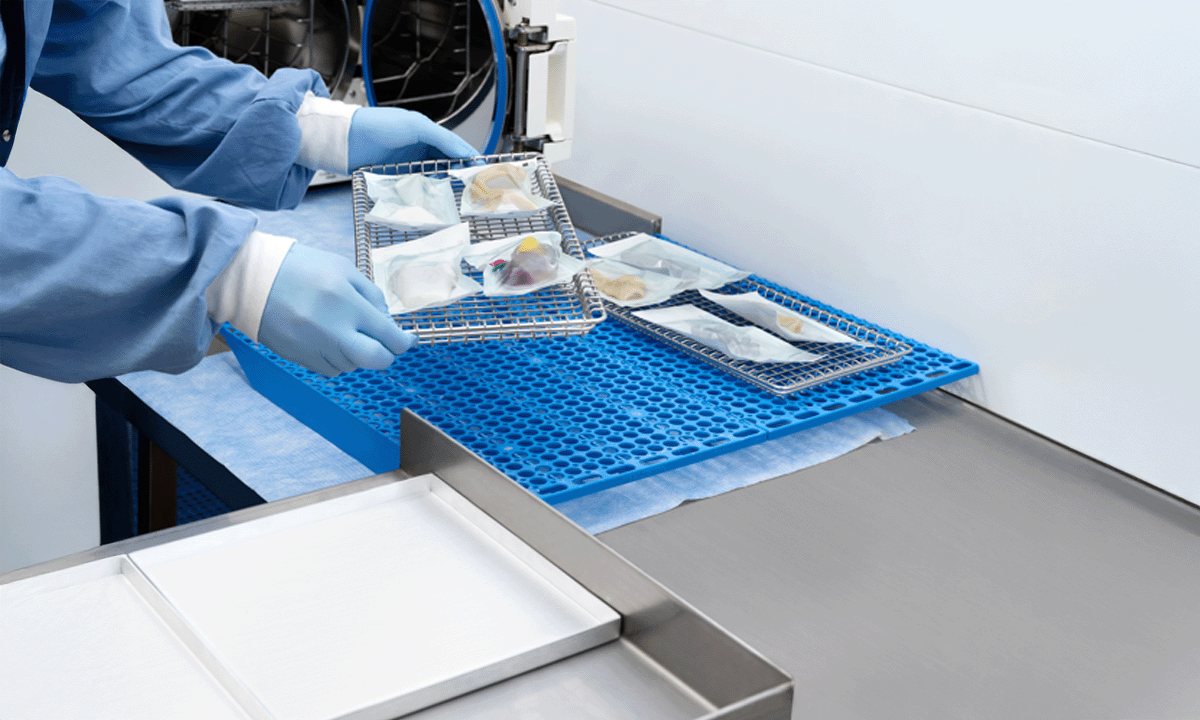
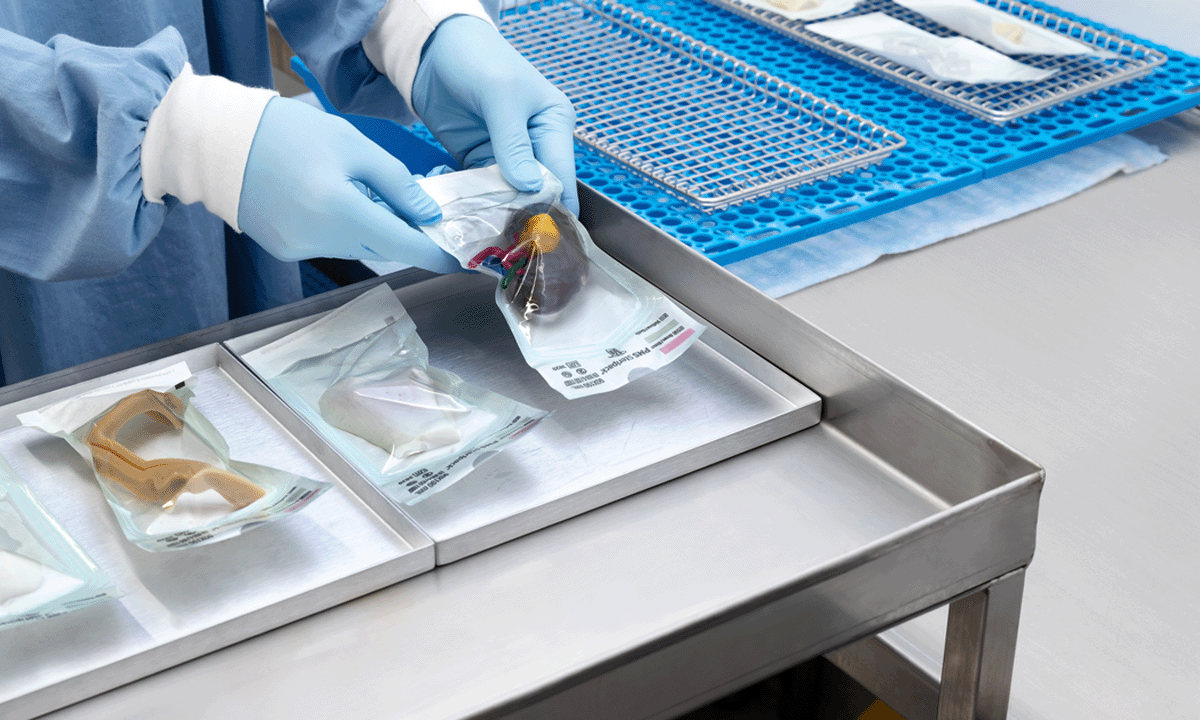
Specialized tools produced by 3D printing will meet biocompatibility requirements and can be autoclaved for sterilization. Their design will be appropriately sized for the task and easily modified.

3D printing is easy to implement in the medical industry. No lengthy training on how to use the equipment is needed – Stratasys, Formlabs and BLT products are plug&play.

3D printers for medicine

Stratasys J5 MediJet
Read more
Stratasys J850 Digital Anatomy
Read more
Formlabs Form 4BL
Read more
BLT A160
Read more
BLT S310
Read more

Download our guide
to medical 3D printing

Downloadable Guides

Guide
3D printing for medicine
Guide
3D printing for manufacturing surgical instruments

Guides will help you in the decision-making process and guide you in choosing solutions

These are useful resources to help you become more familiar with the concept of 3D printing in medicine, expand your knowledge
and consider how such solutions could be useful in your institution. Read about the technologies, see the comparisons and understand a range of technical issues.

    Print gallery

    Example of application – case study

    Read about our implementations in the medical industry

    Krakow-based MedApp provides doctors with high-tech data visualization solutions using holograms, specialized CarnaLife Holo software and 3D printing technology.

    The main areas of cooperation between MedApp and Polish clinics are cardiology and radiology.

    3D prints have been proven time and again in clinical situations and have been used in real-world procedures, including simulation of transcatheter aortic valve implantation (TAVI).

    “The ability to simulate the elastic properties of the tissue, to test the implantation of an artificial valve or other instrument, and the physical contact with the model are additional positive aspects appreciated by physicians.”

    Jan Witowski, scientific advisor / MedApp S.A.

    Consult implementation

    1

    As part of the conversation, the consultant:

    2

    In furtherance of our cooperation:

    What questions will help us to assess your situation?

    1. 1

      Do you have a specific problem or challenge that 3D printing could solve?

    2. 2

      What size parts do you want to print? The most common prints are important, as they are the ones worth investing in 3D printers for.

    3. 3

      What is more important to you aesthetics or the durability of the print? This will help us determine the right printing technology.

    4. 4

      Is the print to meet any additional requirements? E.g. chemical resistance, heat resistance, biocompatibility certificate, pressure maintenance, low weight, handling of very heavy loads, abrasion resistance, good sliding properties, etc.

    Submit the form, our consultant will contact you within 15 minutes.

    Konsultant duku 3D

      Direct contact