3D printing in the automotive industry

3D printing in automotive
– what challenges?

01
Prototyping

Automotive manufacturing requires designing a variety of components. In the initial phases, prototypes are needed to test their properties and fit.

02
Low volume production

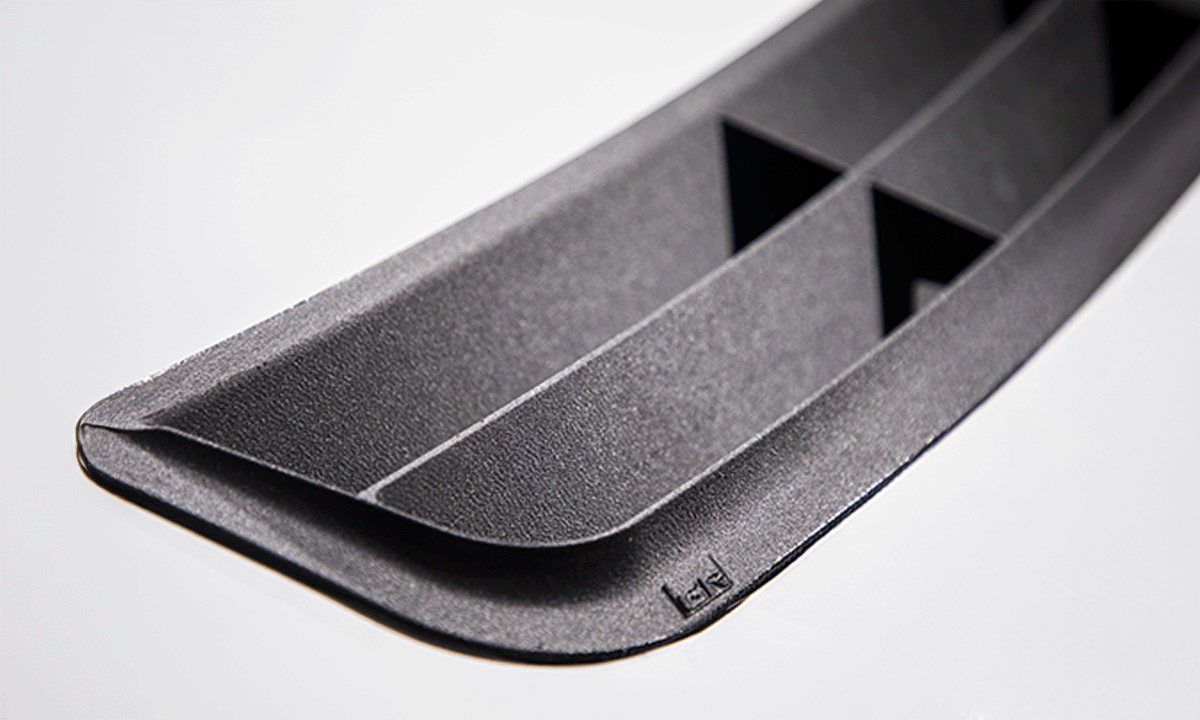
Very often the automotive industry is in need to produce a component in small batches of tens or hundreds of parts. In such cases, creating an injection mold is uneconomical, and CNC machining is time- and material-consuming.

03
Finishing elements

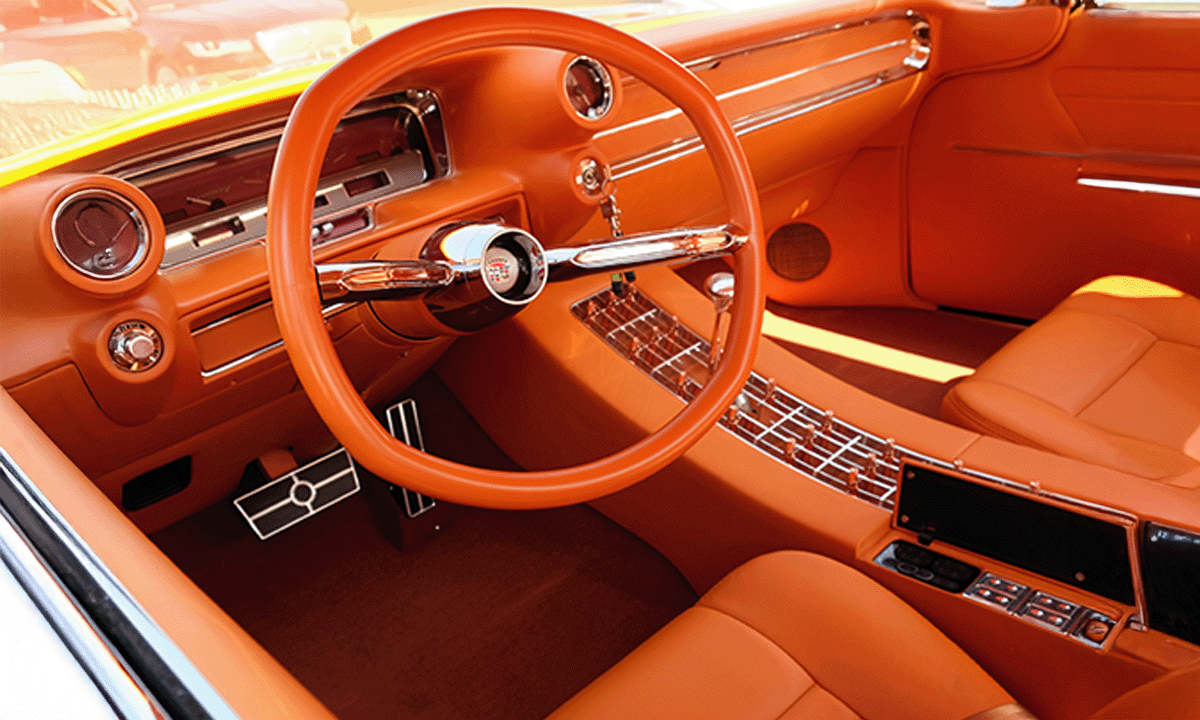
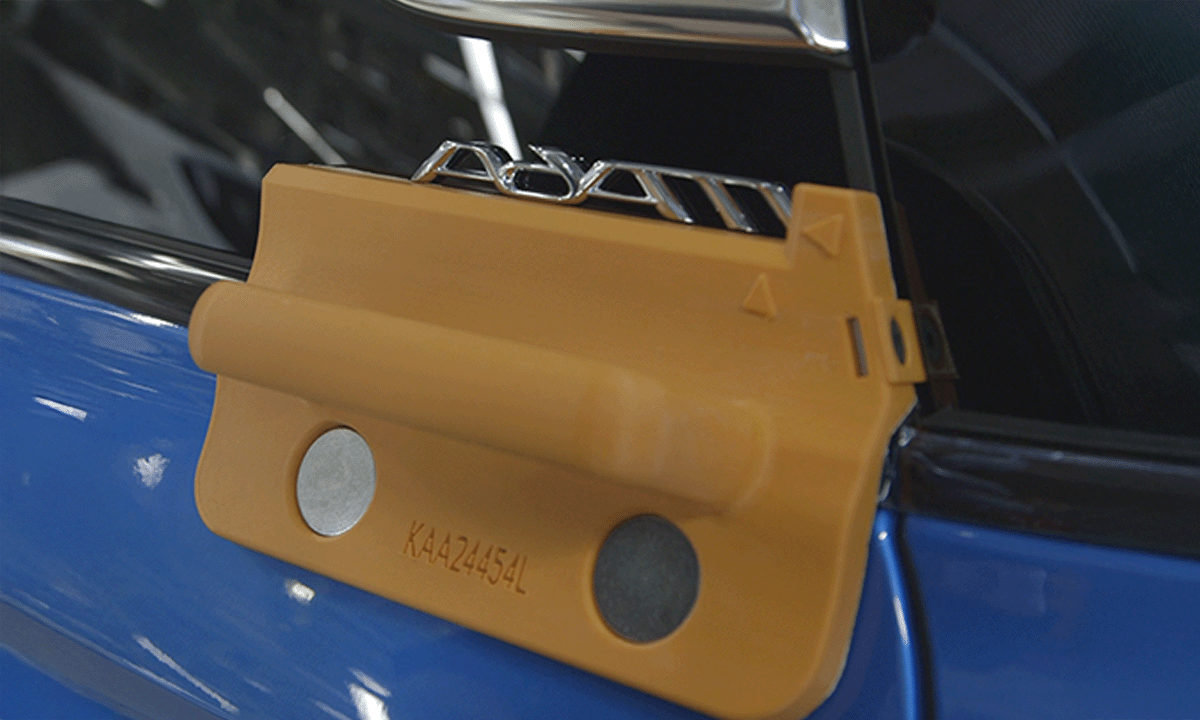
Car construction, such as restoration of old models, often requires tailoring pieces specifically for a particular model.

04
Spare parts

Many spare parts have complex geometries and are needed at short notice. To solve this problem, injection molding and parts warehouses have been used so far.

05
Instruments and fixtures

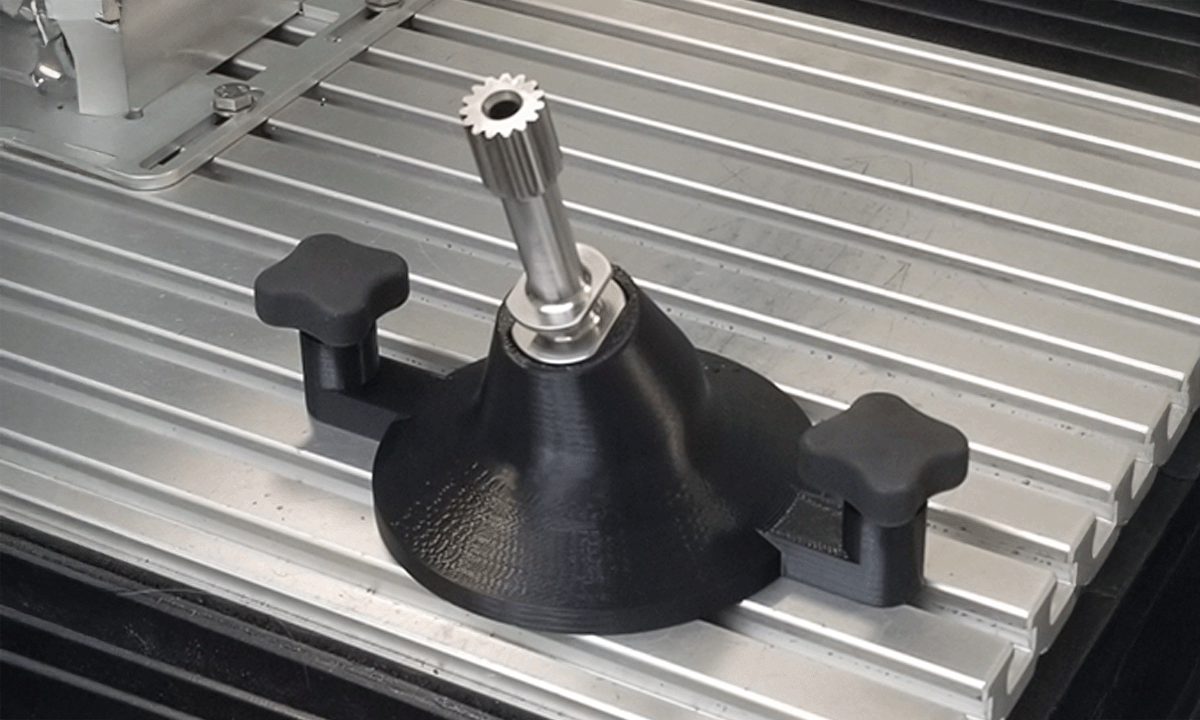
Machines used in automotive manufacturing, such as robotic arms, need customized tools, jigs and fixtures. An expensive option for obtaining them is to work with a supplier.

06
Tuning and refinishing

When tuning and restoring old cars, the challenge is to individualize parts and manage low order quantities.

3D printing solutions in the automotive industry

3D printed parts are the answer to the long waiting time for an injection mold and its high cost for low runs.

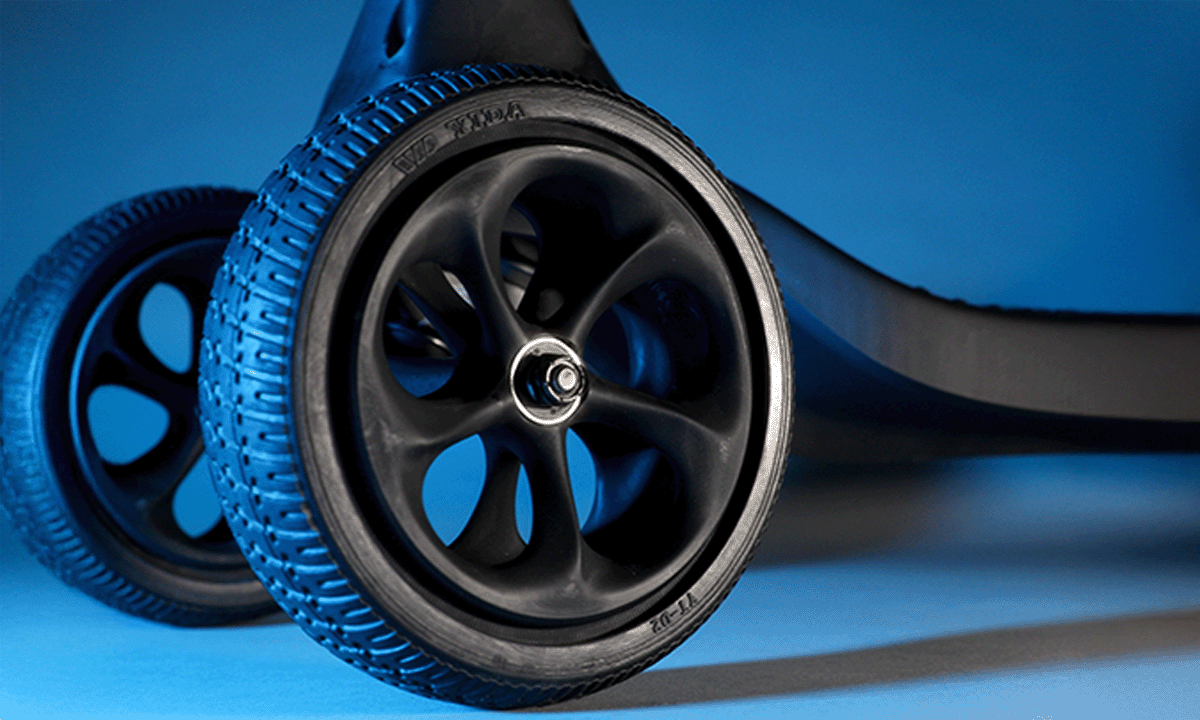
3D printing makes it possible to produce weight and geometrically optimized parts. Parts will be lightweight yet strong.

For companies looking for personalized parts, 3D printing will trigger geometry-unlimited design possibilities. And it’s mostly in-house!

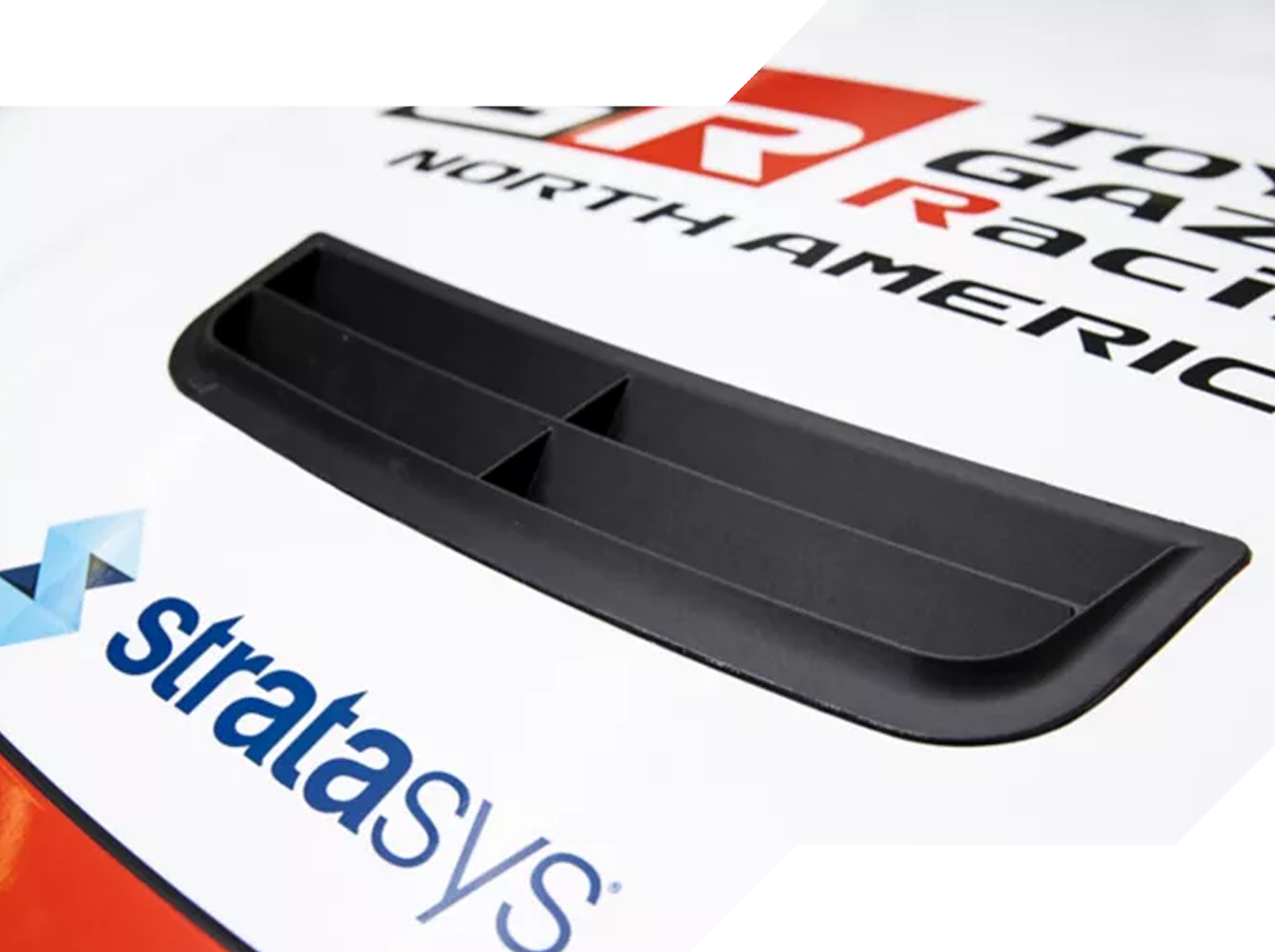
3D printing means shorter prototyping cycles, without relying on injection molding. With technologies like PolyJet, prototypes can be colorful, multi-material and functional.

There is a wide range of materials available for 3D printing: flexible, non-conductive, impact-resistant and heat-resistant. You can adjust the material properties with each project separately.

3D printing from metal will allow you to print maximum strength engine components and spare parts. Eliminate the concern about the durability of polymers!

3D printing is easy to implement in automotive. No lengthy training on how to use the equipment is needed – Stratasys, Formlabs, UltiMaker and BLT products are plug&play.

3D printers for the automotive industry

BLT A160
Read more
Formlabs Form 4
Read more
Stratasys F370
Read more

Download resources
for automotive

Downloads

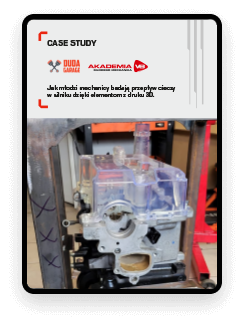
Case study
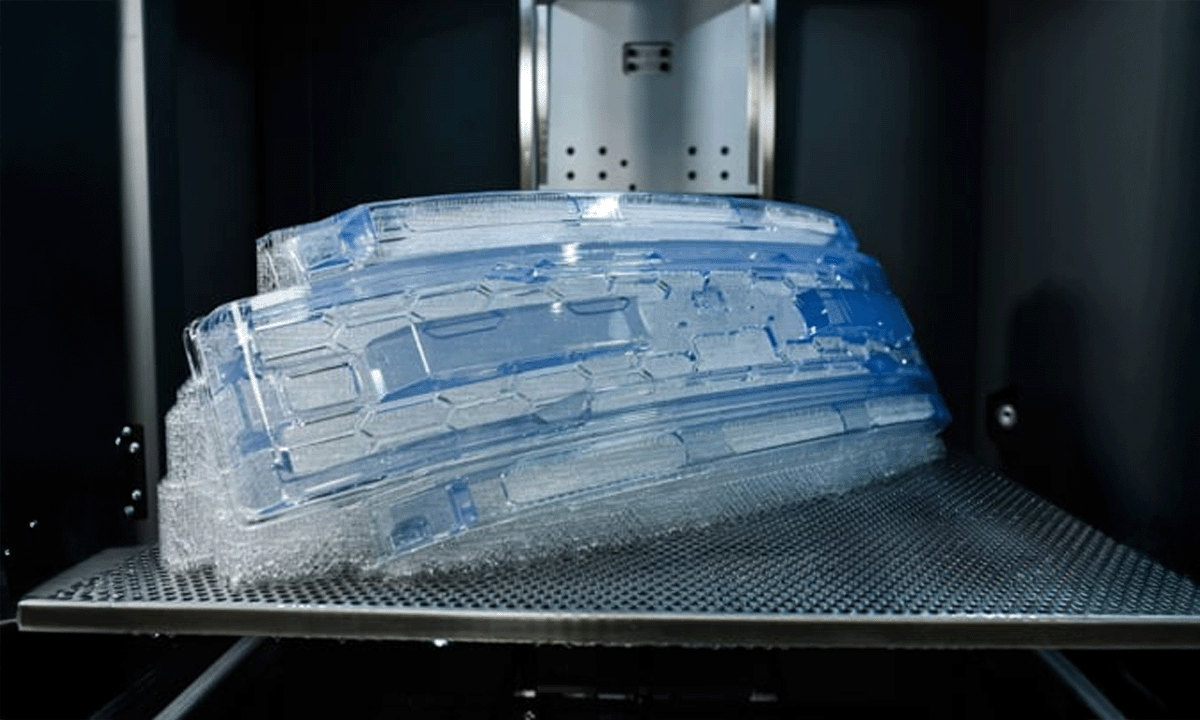
Use of clear 3D printed cases for the engine

The materials show examples of 3D printing applications in the automotive industry.

By reading materials in the form of case studies, you will become better acquainted with the concept of 3D printing in the automotive industry and consider how such solutions could be useful in your institution. We write about technologies and explain a range of technical issues.

    Print gallery

    Example of application – case study

    Read about our automotive implementations.

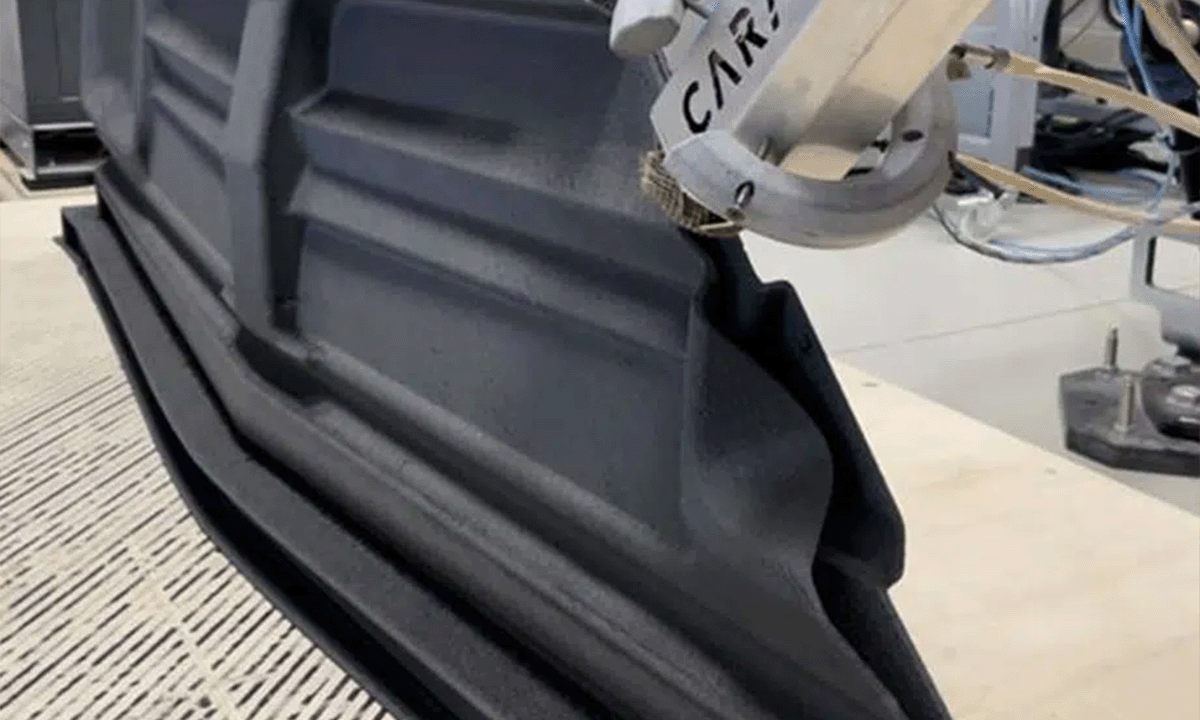
    BMW uses FDM technology in the production of assembly and test tooling.

    3D printing technology makes it possible to replace traditional machining methods such as milling and turning, thus reducing costs and production time.

    We describe an example where, using FDM technology, BMW AG of Regensburg reduced the weight of an assembly tool by 72%, improving ergonomics and comfort.

    Compared to CNC machining, 3D printing saved 58% of inputs and reduced production time from 18 days to 1.5 days (92%).

    “FDM technology is becoming increasingly important as an alternative method of producing components in small batches.”

    Günter Schmid / engineer at BMW AG, Regensburg

    Consult implementation

    1

    As part of the conversation, the consultant:

    2

    In furtherance of our cooperation:

    What questions will help you assess your situation?

    1. 1

      Do you have a specific problem or challenge that 3D printing could solve?

    2. 2

      What size parts do you want to print? The most common prints are important, as they are the ones worth investing in 3D printers for.

    3. 3

      What is more important to you aesthetics or the durability of the print? This will help us determine the right printing technology.

    4. 4

      Is the print to meet any additional requirements? E.g. chemical resistance, heat resistance, biocompatibility certificate, pressure maintenance, low weight, handling of very heavy loads, abrasion resistance, good sliding properties, etc.

    Submit the form, our consultant will contact you within 15 minutes.

    Konsultant duku 3D

      Direct contact