3D printing in education

3D printing in education
– what challenges?

01

Often in higher education, the need for practical learning for students arises. Models are used for this purpose, e.g. in medicine, prosthetics, mechanics.

02

Higher education means also research of materials, applications, automation development. Learning to be creative can take place in the environment of dedicated 3D labs. Prototypes and precise models are needed in these fields. Programs will include learning 3D design, reverse engineering and construction.

03

Secondary education is most often vocational learning, where components tailored for a specific industry are used. Mechanical schools, military schools, technical schools – they need specialized parts, and learning 3D design will be beneficial in sourcing them. Labs and studios in schools develop students’ design and technical skills.

04

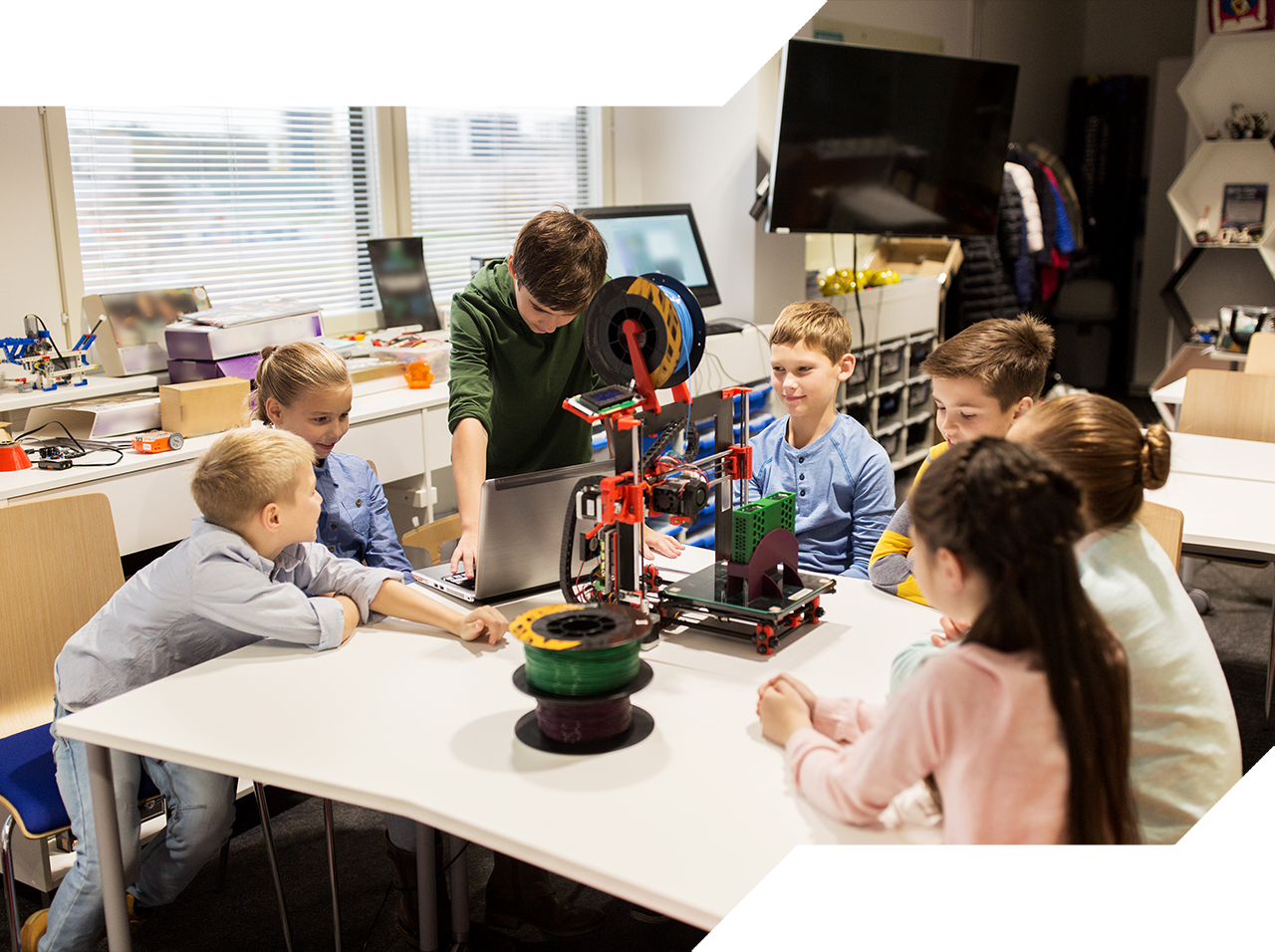
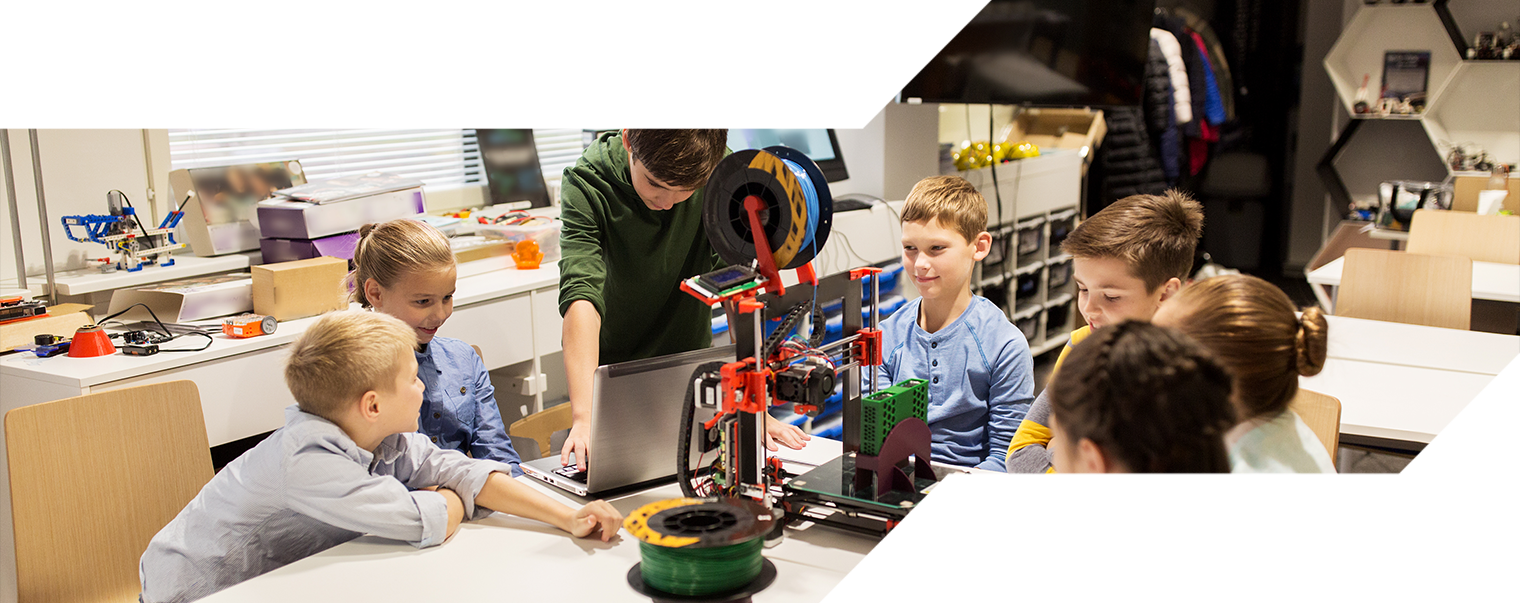
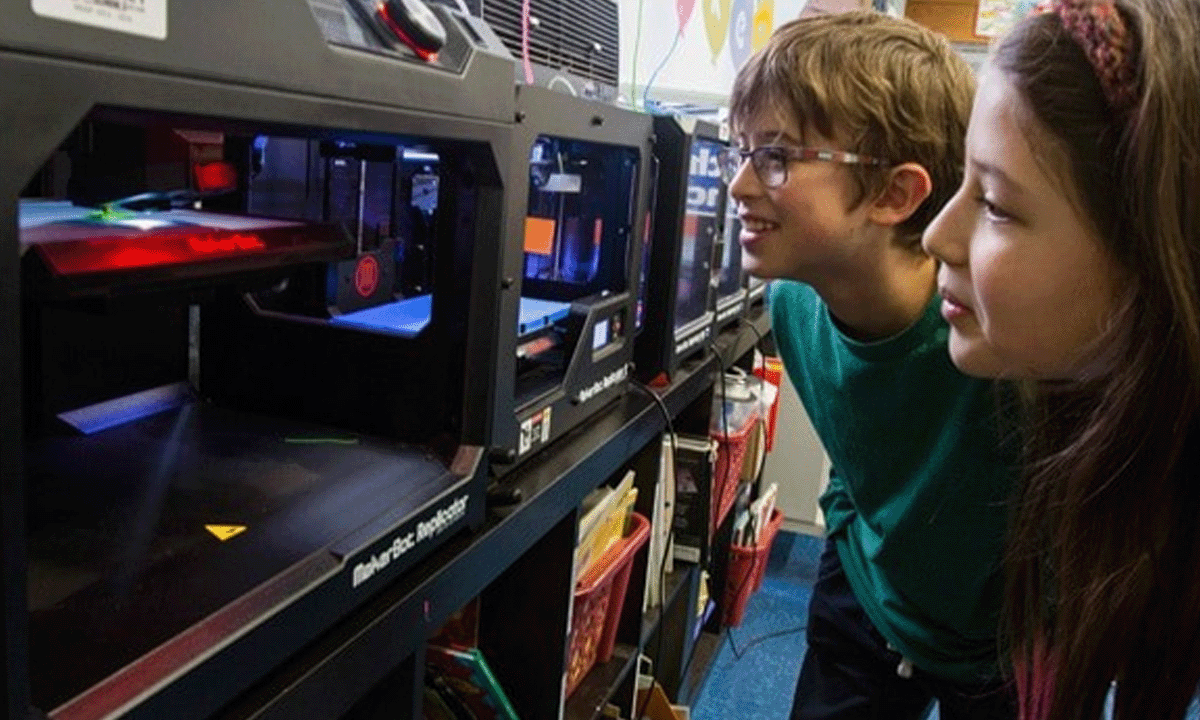
Elementary education is an early opportunity to stimulate technical creativity. Using simple equipment, basic design issues are addressed and children are helped to understand the principles of additive manufacturing. Also in schools, libraries and public institutions, a 3D printing-related lab can enhance the offerings.

05

Who benefits?
🔹 university 3D printing labs
🔹 school 3D printing labs

3D printing solutions in education

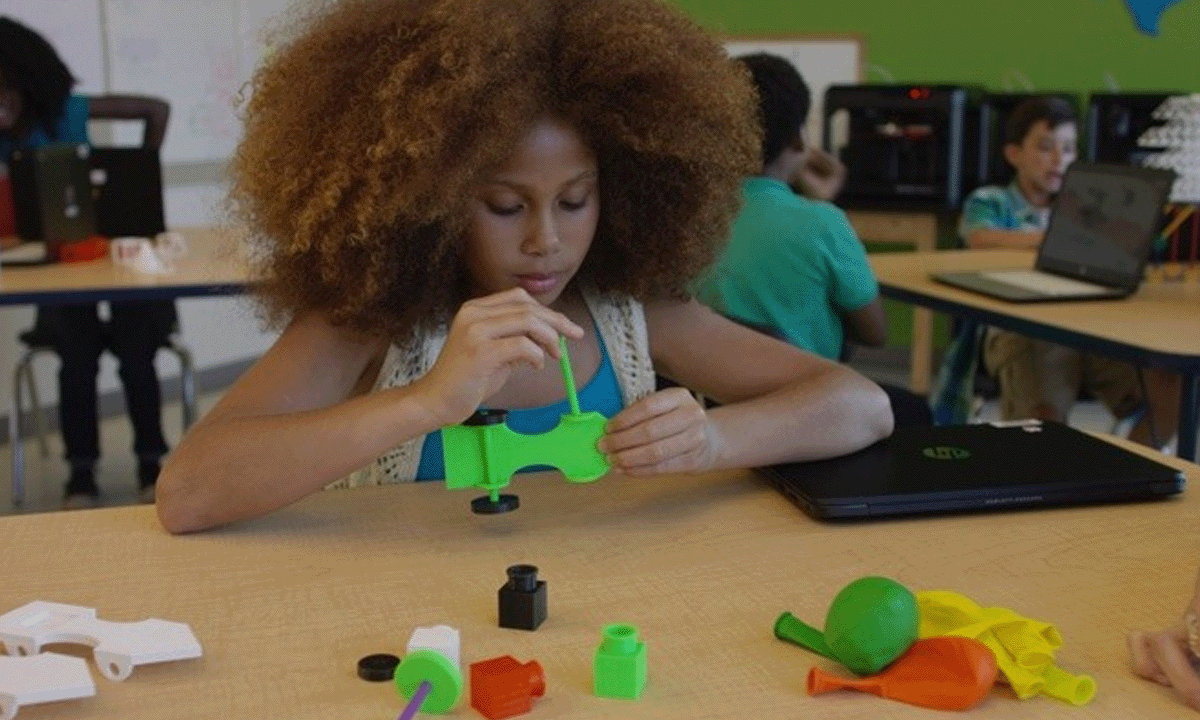
3D printing is a wide variety of technologies – at universities and schools, their safe use can be taught from the early stages. 3D printing labs help develop spatial and design thinking and teach very specific professional skills.

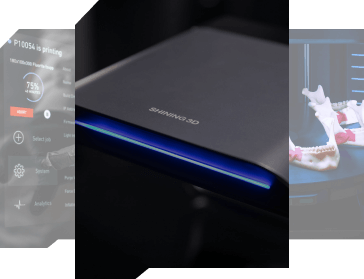
The combination of 3D scanning and 3D printing allows advanced work on part designs, prototypes, development of improvements.

3D printing at CadXpert means proven global brands, perfectly suited for university, school, or public institution environments. Elementary schools will benefit from fully developed curricula with MakerBot 3D printers, while mechanical departments at universities can deploy advanced equipment from Stratasys, Formlabs, UltiMaker and BLT.

3D printing solutions always go hand in hand with attention to health and safety. Learning to work safely is an important step in education.

3D printing and scanning increase the attractiveness of institutions. They enable the opening of new faculties, enrich the offerings of existing ones, and provide new learning opportunities for students and pupils. It’ s all about work with software and hardware, designing and executing prints.

3D printing is easy to implement in education. No lengthy training on how to use the equipment is needed – Stratasys, Formlabs, UltiMaker and BLT products are plug&play.

3D printers for education

BLT A160
Read more
Formlabs Form 4
Read more
MakerBot SKETCH SPRINT
Read more

Download our 3D printing manual
for education

Download the resource

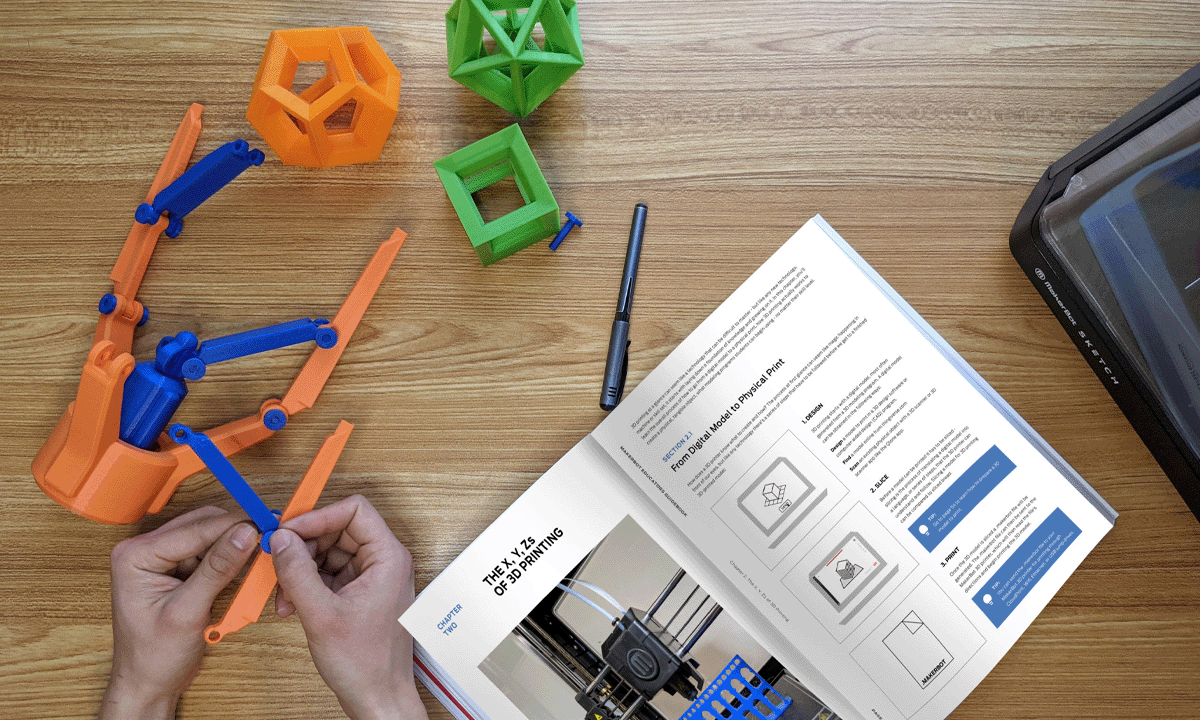
Handbook
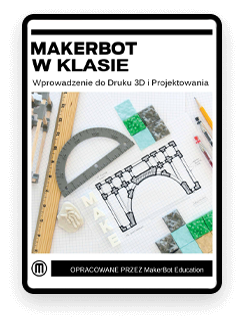
Introduction to 3D printing and design

The ebook shows many examples of 3D printing applications in education.

Reading the handbook, you will learn in detail about the concept of 3D printing in education and consider how such solutions could be useful in your institution. We write about 3D printing technologies, design and explain a number of technical issues.

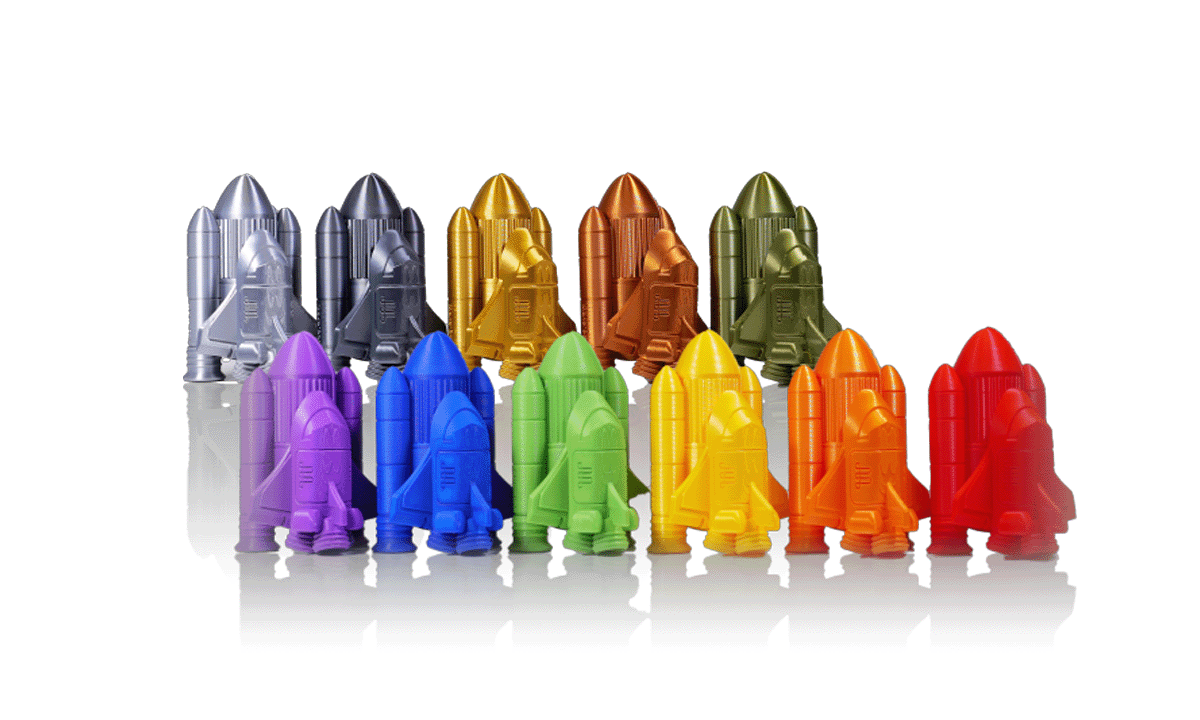
    Print gallery

    Example of application – case study

    Read about our implementations in education.

    The AGH University of Science and Technology in Krakow has invested in a state-of-the-art 3D printing lab.

    The lab is equipped with 16 MakerBot printers, including Replicator Z18, Replicator 2X and Replicator 5th Generation models. Students can gain practical skills in incremental technologies, and trained staff support them in engineering and research projects.

    With this investment, AGH strengthens its position as a leading technical university in Poland, offering modern educational tools tailored to the needs of modern industry.

    Working with CADXPERT on this project has provided access to the latest and reliable 3D printing solutions.

    “Thanks to the state-of-the-art 3D printing lab at AGH, students can gain practical skills in incremental technologies, which greatly enhances the quality of technical education.”

    dr hab. inż. Marek Dudek / AGH

    Consult implementation

    1

    As part of the conversation, the consultant:

    2

    In furtherance of our cooperation:

    What questions will help you assess your situation?

    1. 1

      Do you have a specific problem or challenge that 3D printing could solve?

    2. 2

      What size parts do you want to print? The most common prints are important, as they are the ones worth investing in 3D printers for.

    3. 3

      What is more important to you aesthetics or the durability of the print? This will help us determine the right printing technology.

    4. 4

      Is the print to meet any additional requirements? E.g. chemical resistance, heat resistance, biocompatibility certificate, pressure maintenance, low weight, handling of very heavy loads, abrasion resistance, good sliding properties, etc.

    Submit the form, our consultant will contact you within 15 minutes.

    Konsultant duku 3D

      Direct contact