3D printing solutions modernize foundry operations, save raw material and speed up mold making.
Verify whether the mold design meets the requirements and was done correctly.
Traditional mold-making methods limit the ability to create complex geometries.
The process of making models and casting molds using traditional methods is time-consuming.
Wax patterns can deform during injection molding or processing.
Traditional casting mold manufacturing techniques generate a large amount of waste.
The foundry industry often has to respond to changing customer needs and use small batches of molds.
The foundry industry uses 3D printing to prototype molds before mass production begins. With 3D printing, the design and production stages can be significantly accelerated, allowing customer orders to be fulfilled faster.
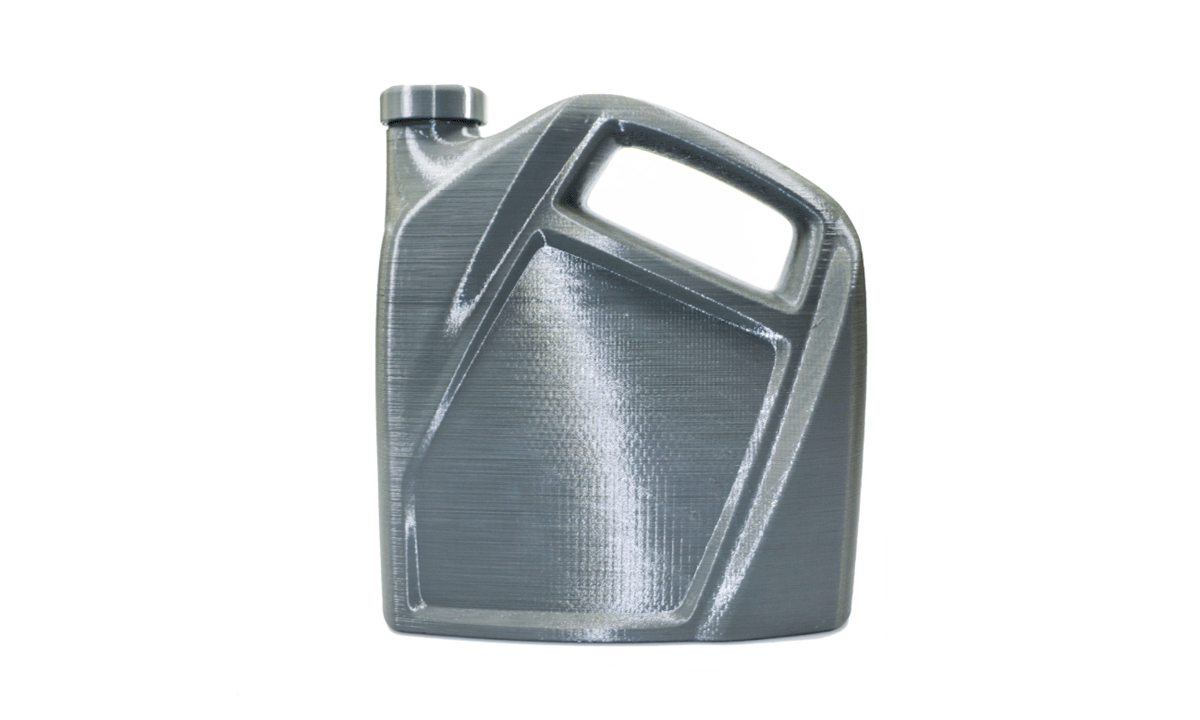
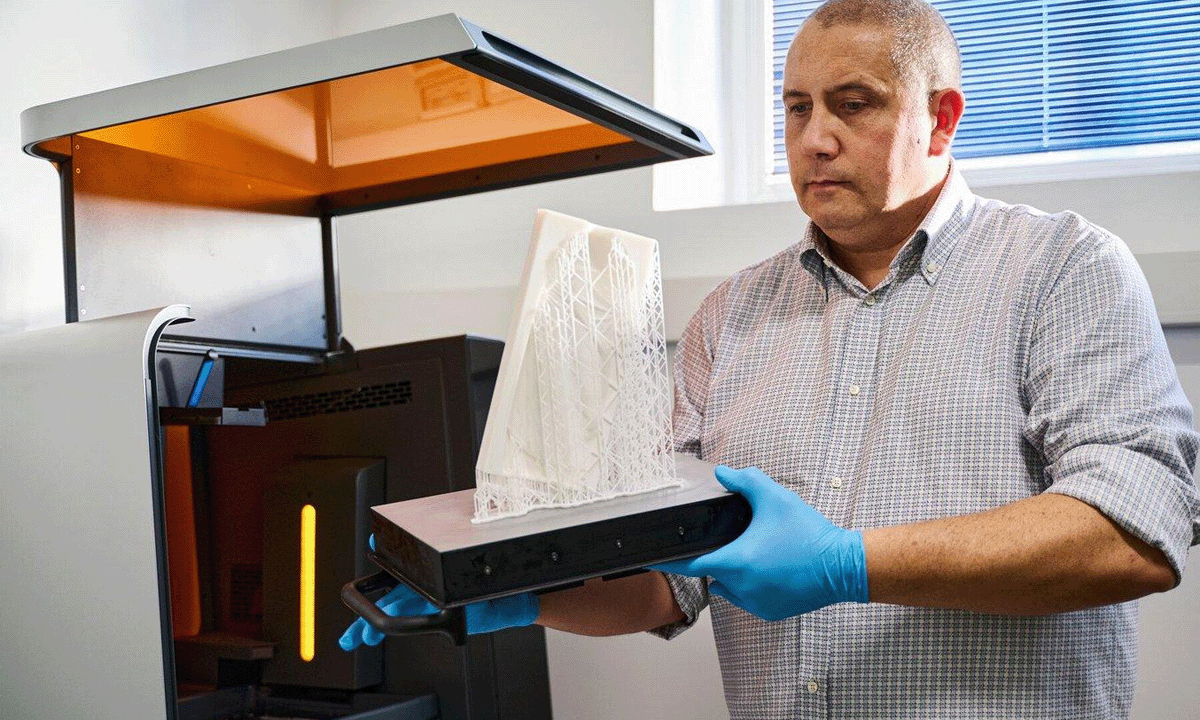
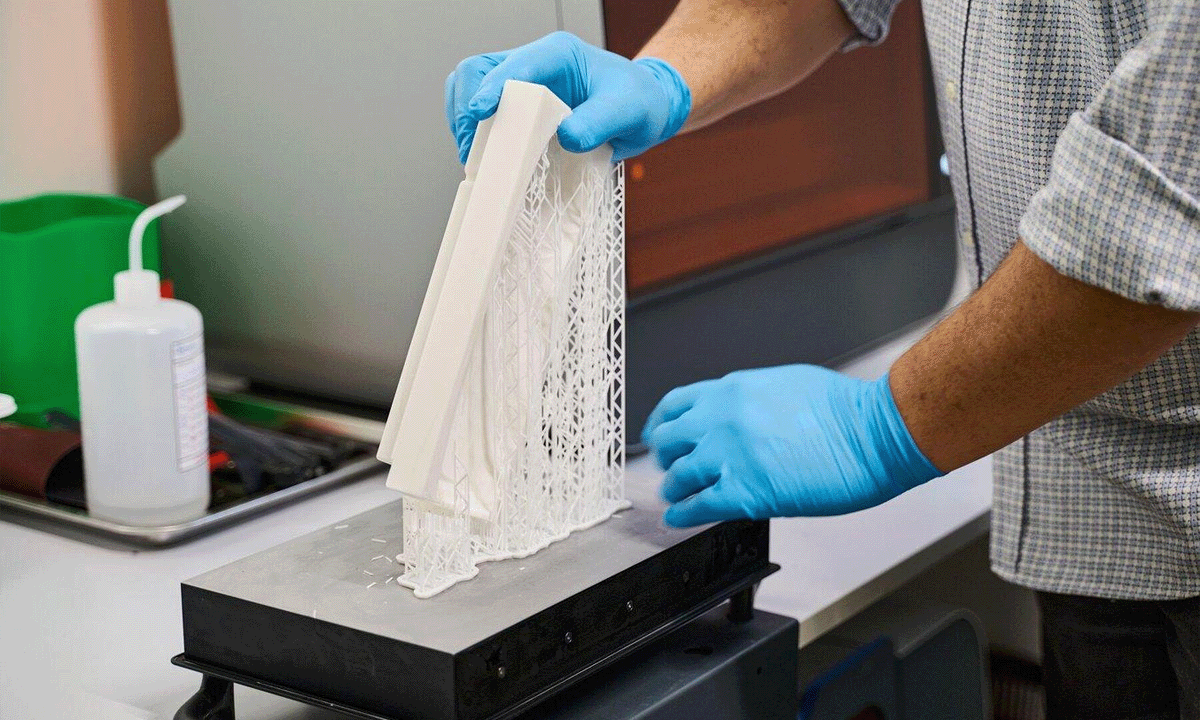
3D printers are also useful for quickly producing geometrically complex inserts and patterns used in the sand mold casting process.
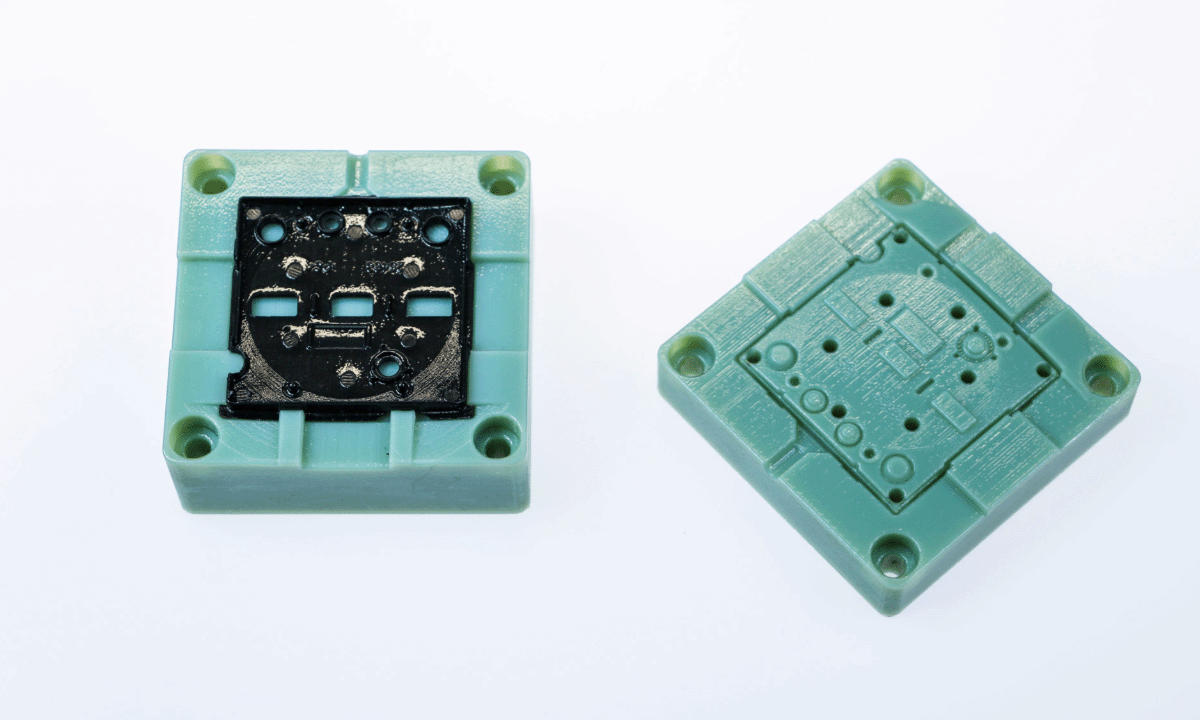
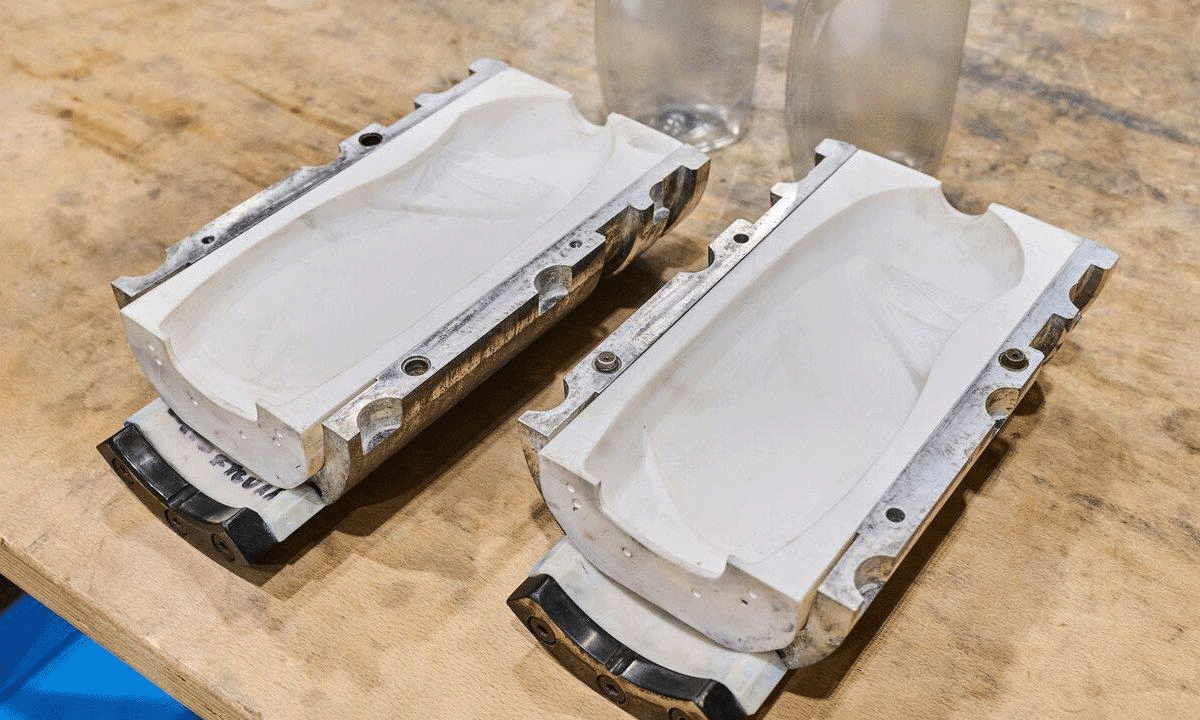
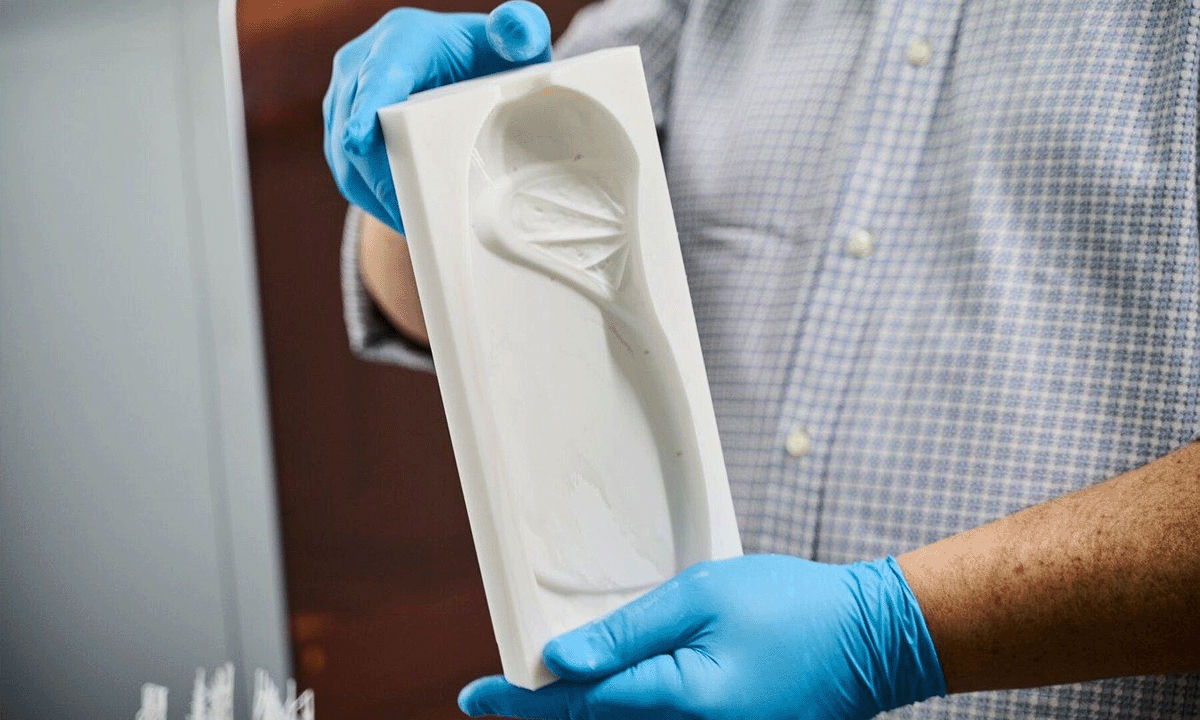
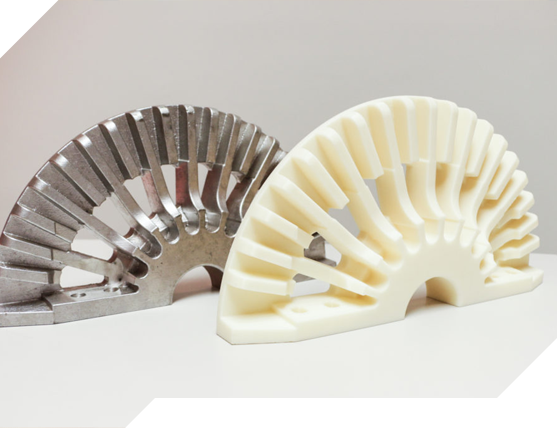
3D printing makes it possible to produce molds with complex shapes that would be difficult or impossible to make with CNC machining.
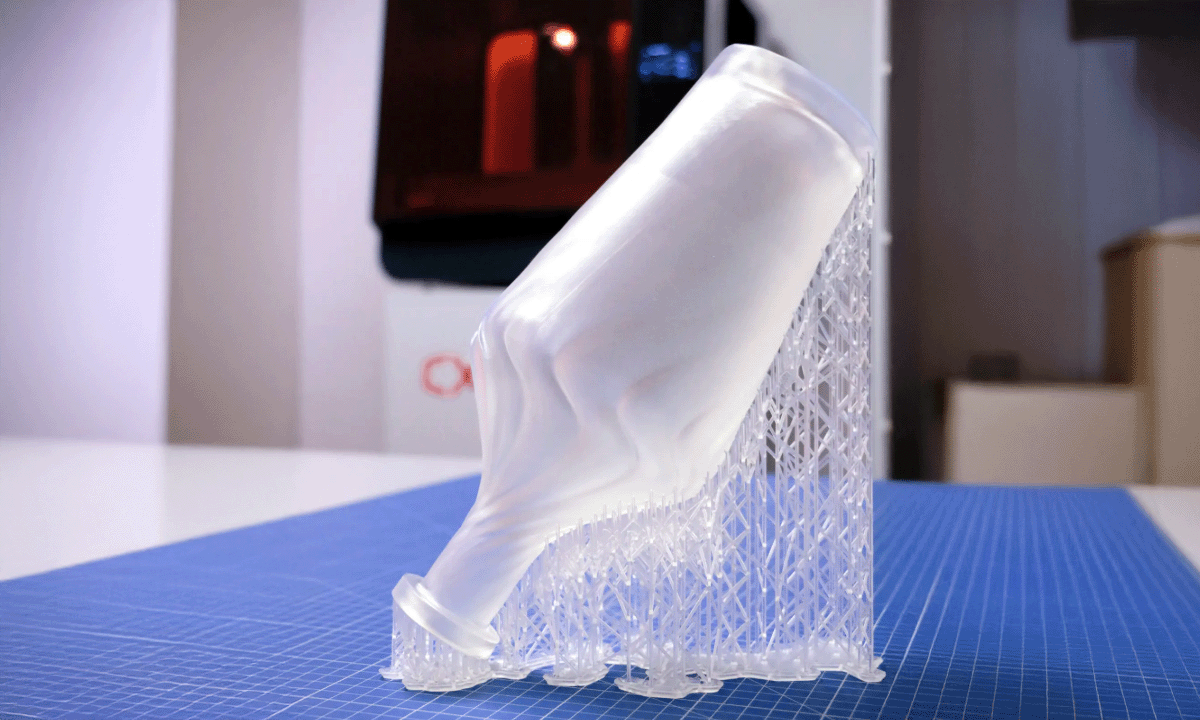
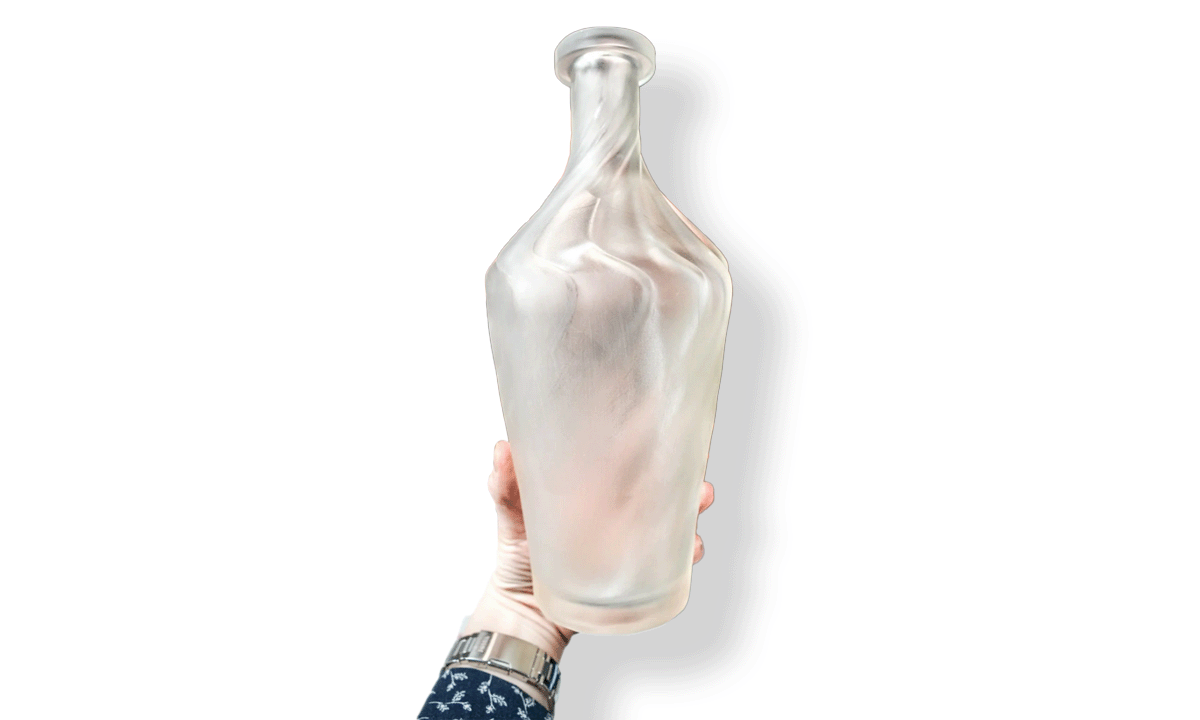
3D printing allows the direct production of precise wax patterns or their equivalents from materials dedicated to the lost wax method, enabling the production of more complex castings. It also makes it possible to skip the wax stage altogether by printing burnable patterns from polymeric materials.
With 3D printing in casting, you can invest in reducing material waste and raw material costs. This will be especially important when producing castings made of precious metals or expensive alloys.
3D printing allows for quick modification of designs and flexible adaptation to market requirements, without the need for lengthy tool preparation.
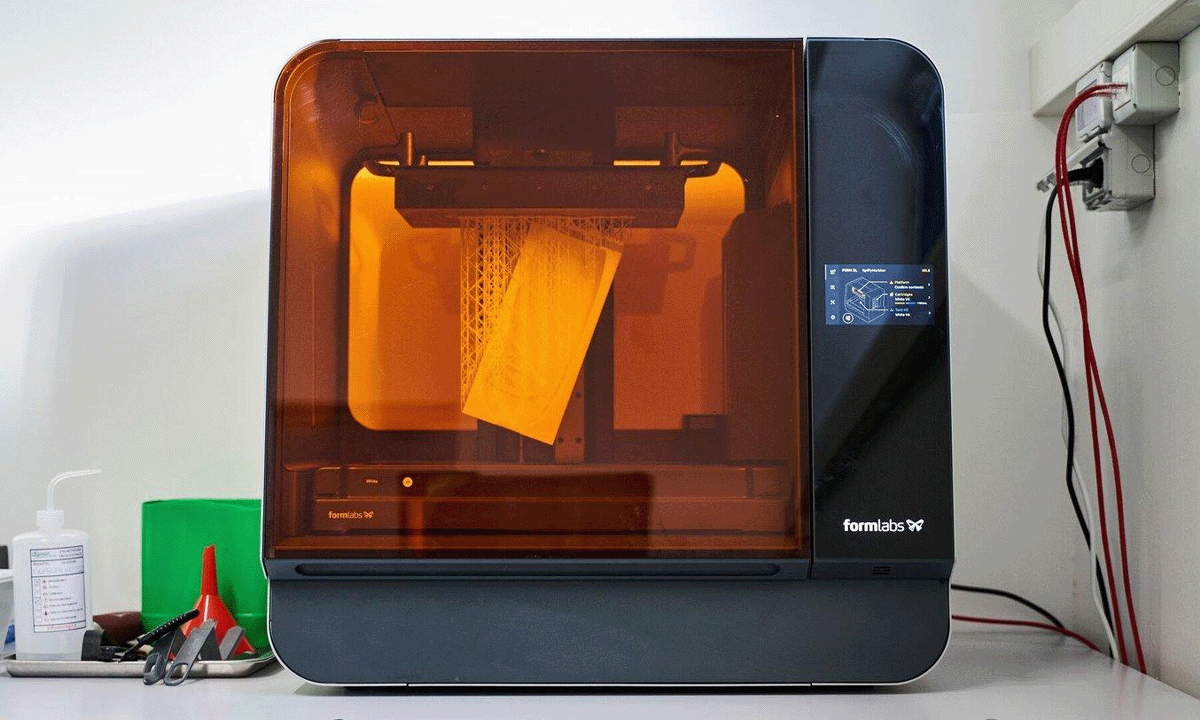
3D printing is easy to implement in casting. No lengthy training on how to use the equipment is needed – Stratasys, Formlabs, UltiMaker and BLT products are plug&play.
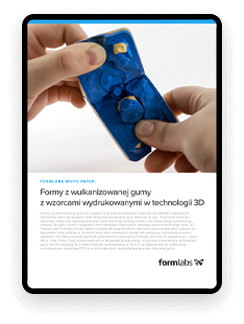
Download a tutorial that shows an example application of 3D printing in casting. See how 3D printing has helped to create molds from vulcanized rubber.
This is a useful resource to help you to become more familiar with the concept of 3D printing in casting, expand your knowledge and show how such solutions could be useful in your institution. It describes the technologies, includes comparisons and explains a number of technical issues.
Read about our implementations in the foundry industry.
With additive technologies, the company saves more than £4,000 per component and reduces component delivery time by 25%. Vibroson provides solutions and products for the energy industry. Parts are produced by sand casting, among other means.
For this, a model must be made, which is used to make a mold impression. Typically, the company used wooden molds, which were expensive to produce. The use of 3D printing significantly sped up the mold delivery process and contributed to real savings.
In this way, the company was able to get the finished product to the customer faster and increase the number of orders processed.
“For the printing process, we used the reinforced ABS M-30 material, which ensured the homogeneity of the part and very good dimensional reproduction, making it possible to create imprint models for casting molds in a short time.”
Rafal Gurga, 3D printing services department / CadXpert
If you are thinking about using 3D printing and want to learn more and count the return on investment, talk to our 3D printing consultant.
As part of the conversation, the consultant:
In furtherance of our cooperation:
Do you have a specific problem or challenge that 3D printing could solve?
What size parts do you want to print? The most common prints are important, as they are the ones worth investing in 3D printers for.
What is more important to you aesthetics or the durability of the print? This will help us determine the right printing technology.
Is the print to meet any additional requirements? E.g. chemical resistance, heat resistance, biocompatibility certificate, pressure maintenance, low weight, handling of very heavy loads, abrasion resistance, good sliding properties, etc.
If you prefer a direct form of communication, below you will find
our phone and email contact.
Implementations: +48 577 127 775
Ordering materials: +48 733 501 666
3D printing services: +48 666 682 400
info@druk3d.cx
zamowienia@druk3d.cx
uslugi@druk3d.cx