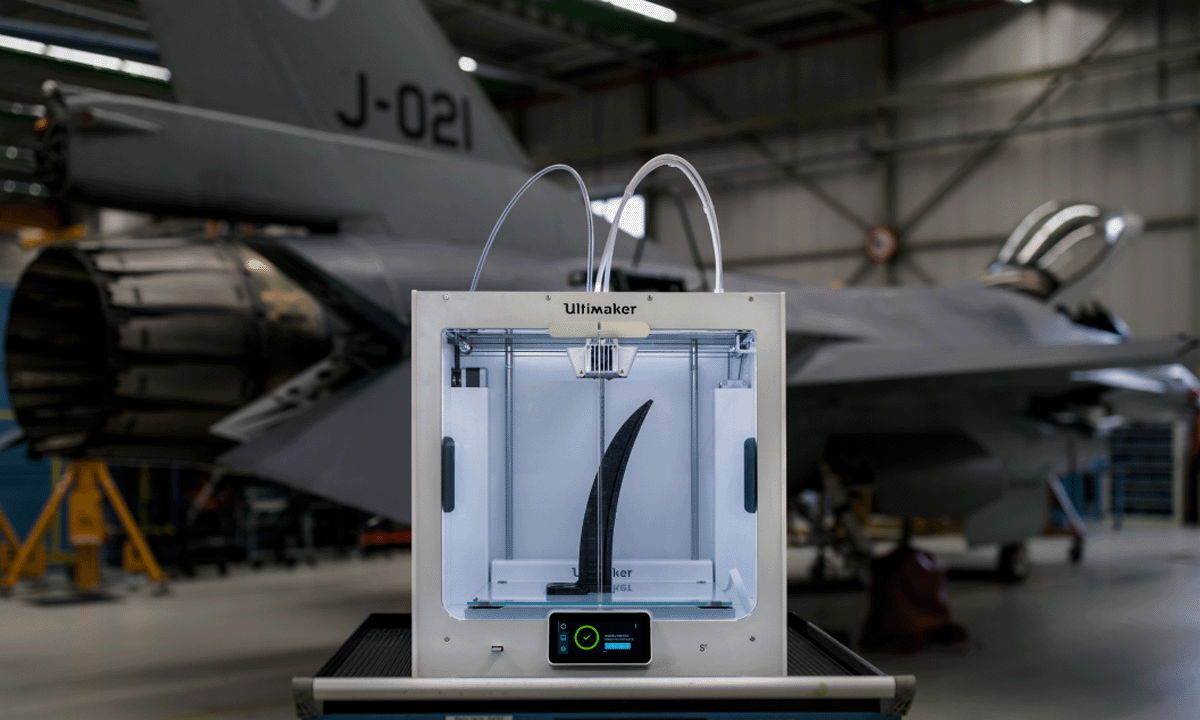
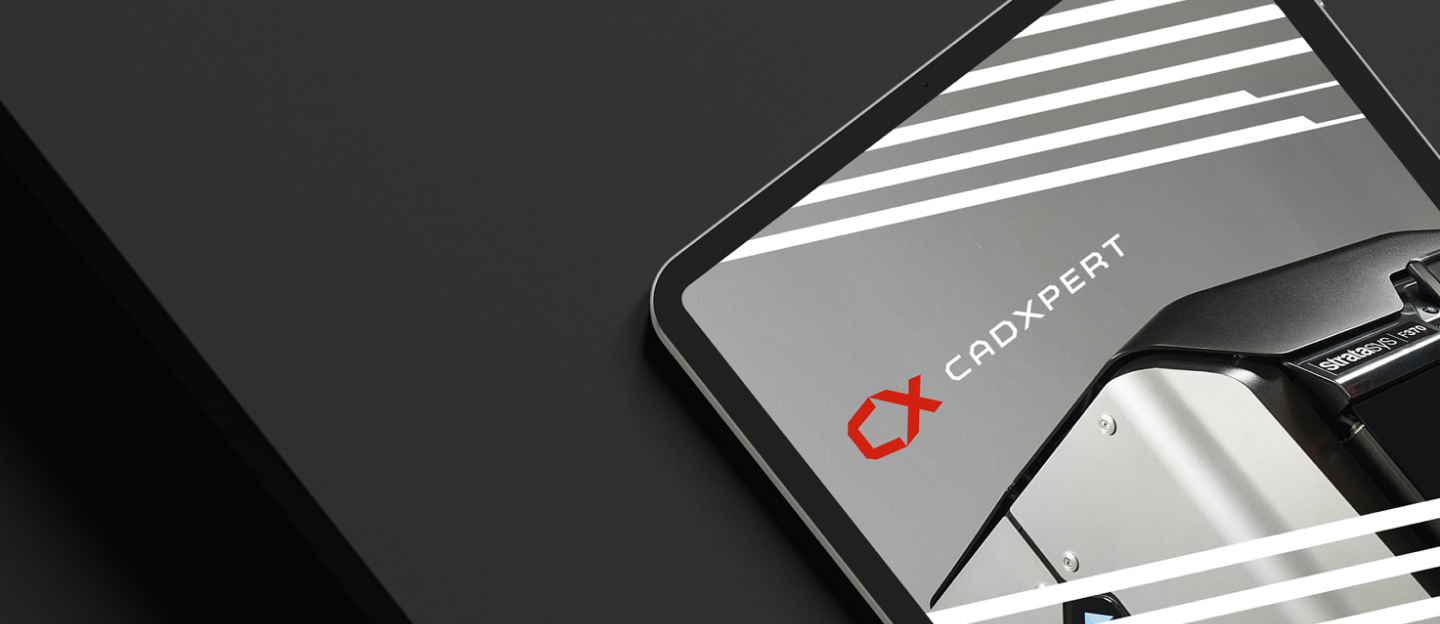
3D printing solutions are the answer to logistical challenges, production of individualized components and faster equipment design cycles.
Traditional methods of producing prototype and replacement parts (injection molding and CNC machining) can be time-consuming.
The defense industry often requires small batches of specialized components.
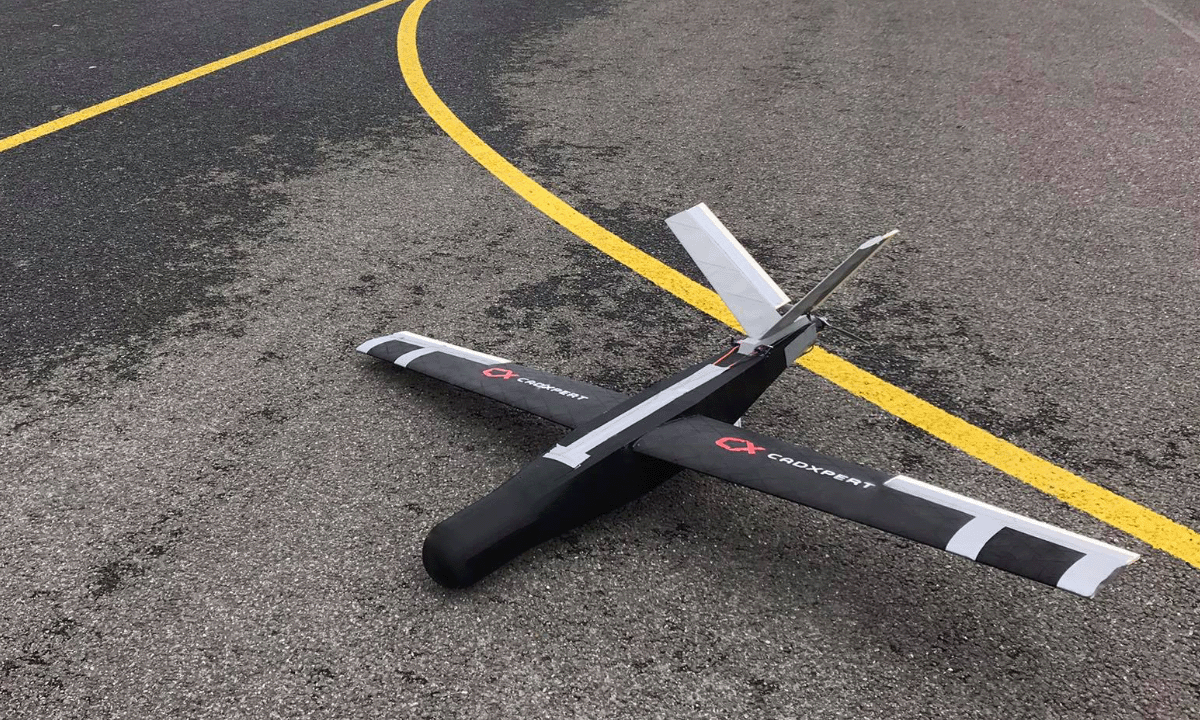
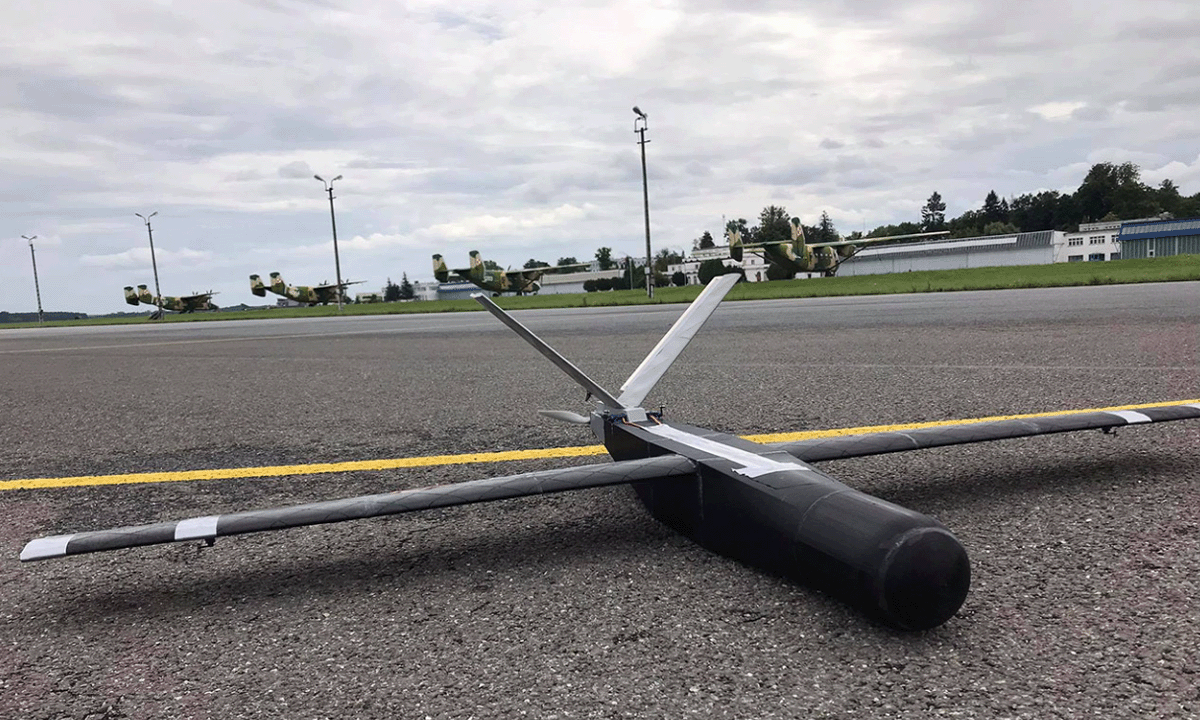
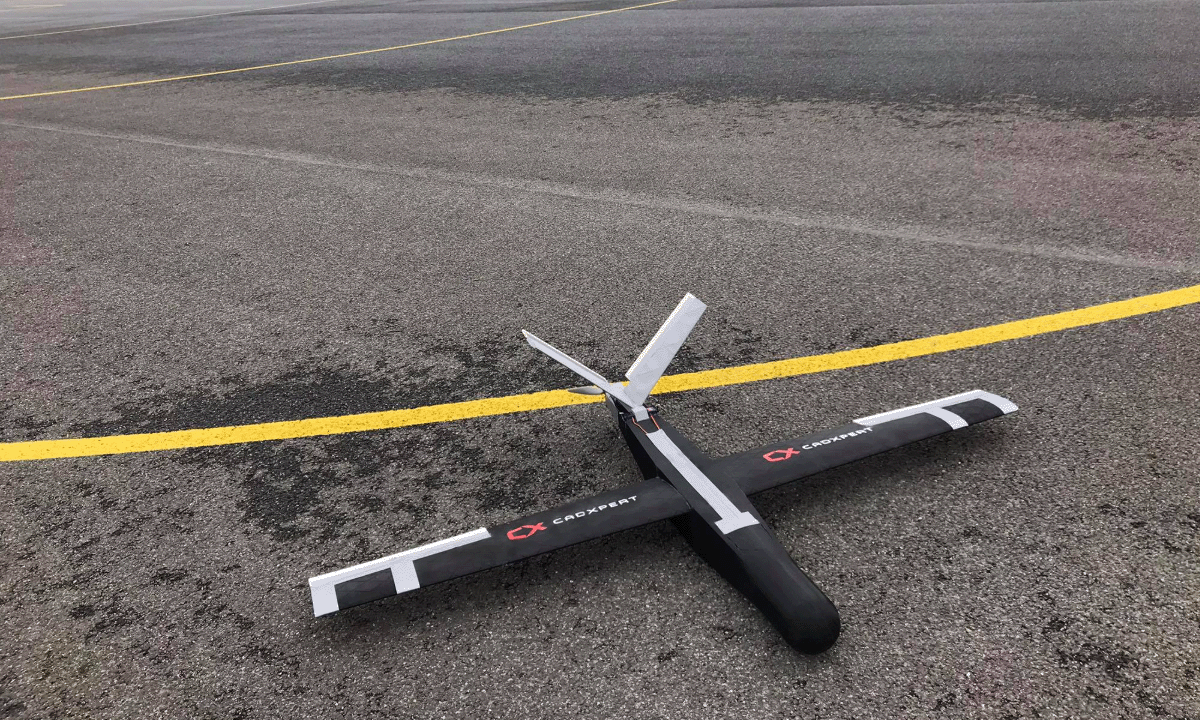
The design of military vehicles, aircraft or drones requires lightweight yet durable materials.
Any halt in production presents difficult and often costly challenges.
Applications in the defense industry require adaptation of equipment to meet the needs of the environment.
In defense, it proves useful to optimize component topologies to meet the requirements of specific applications.
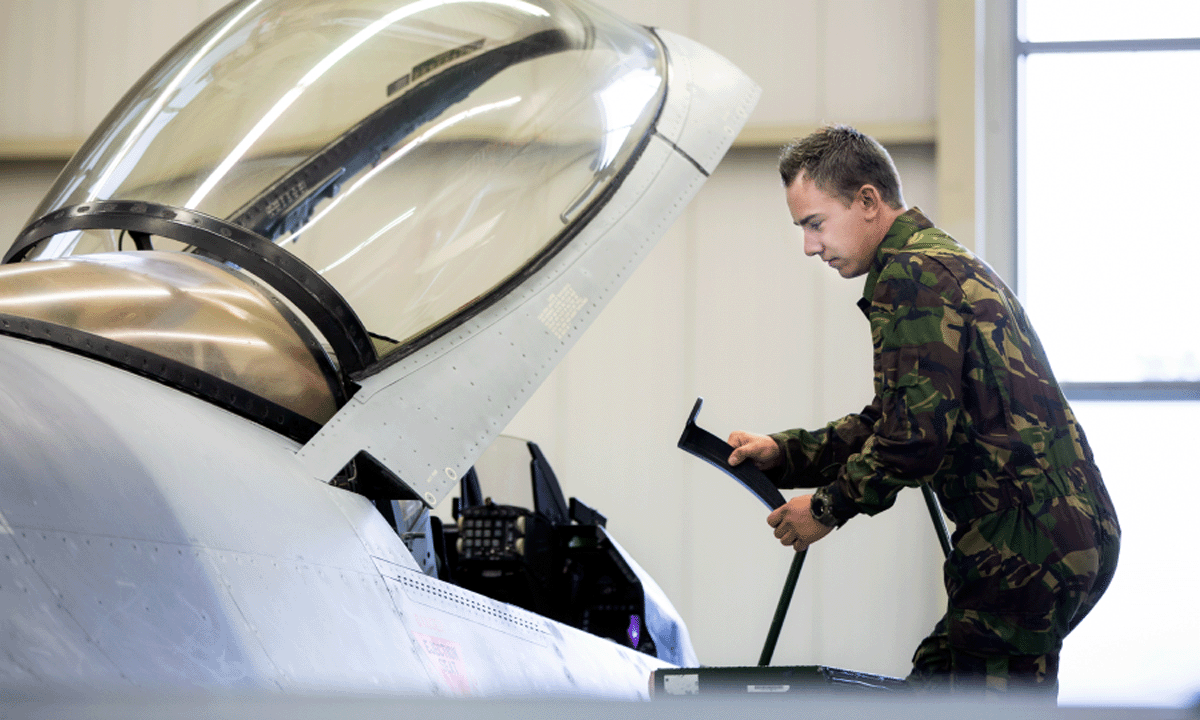
Over the past decade, defense innovators have moved 3D printing beyond prototyping into advanced tooling and manufacturing applications.
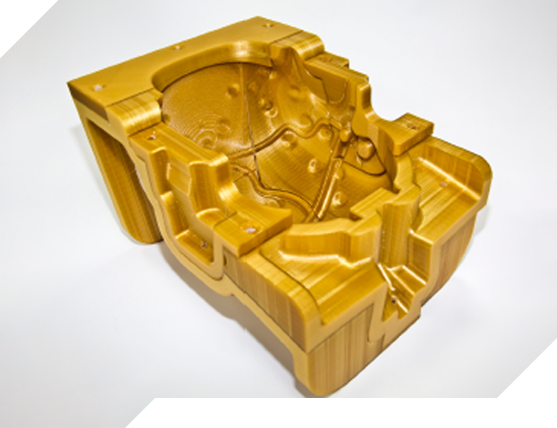
By using additive manufacturing, we are able to minimize tool changeover time, improve response time, and create more innovative tooling solutions.
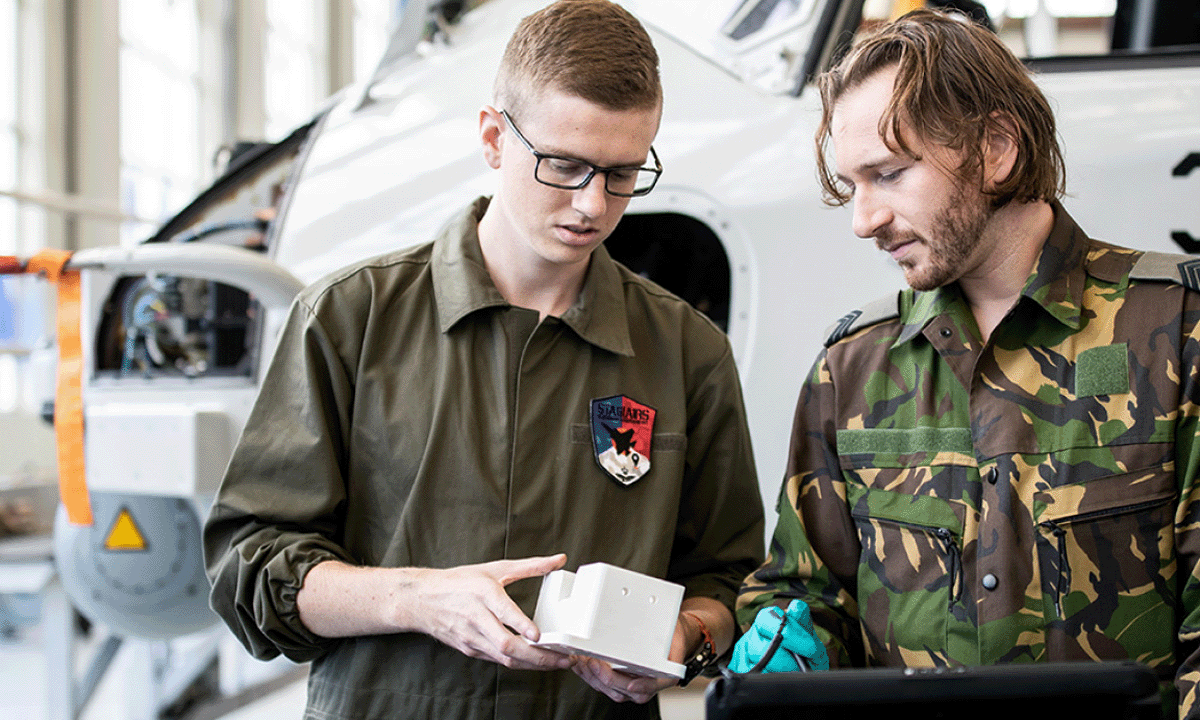
In emergency situations or in remote locations where access to spare parts is limited, 3D printers can be used to manufacture components on-site, without the need for lengthy transportation.
Reducing cost and weight. Purchasing tools is expensive and sometimes impossible with dedicated equipment. The production of parts in traditional ways with several processes takes time and generates high costs. 3D printing eliminates unnecessary operations and reduces them to a single process.
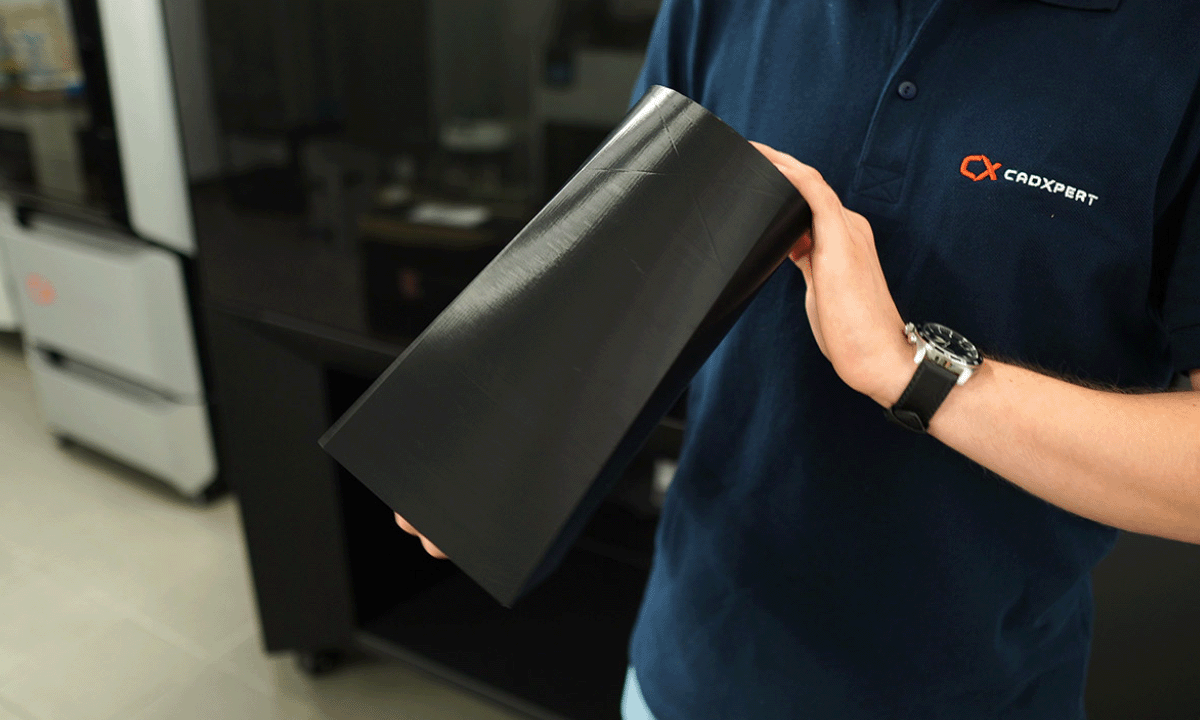
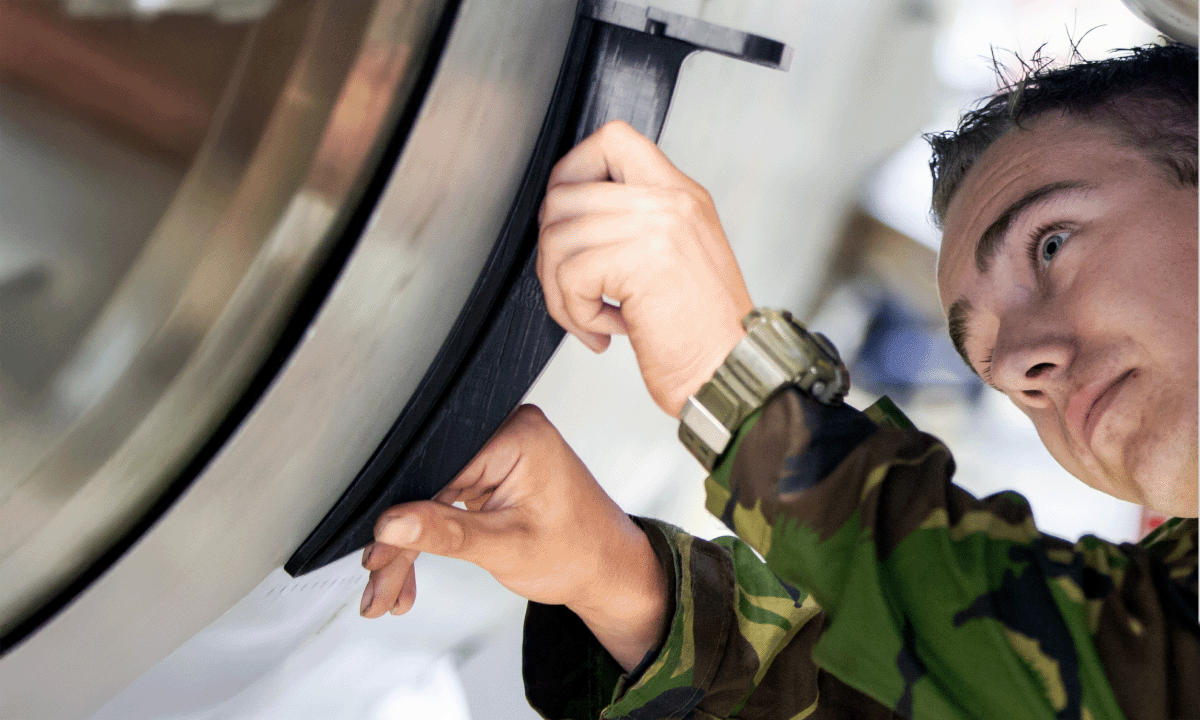
Lightweight and durable. Using additive technologies, we are able to make tooling that is both lightweight and strong. 3D printed tooling can match the strength of tools made of metal while reducing weight.
3D printing enables the design of complex geometries that reduce the weight of components while maintaining or increasing their mechanical strength.
Metal 3D printing opens up a number of new opportunities for producing weight-optimized and maximum-strength parts for the defense industry.
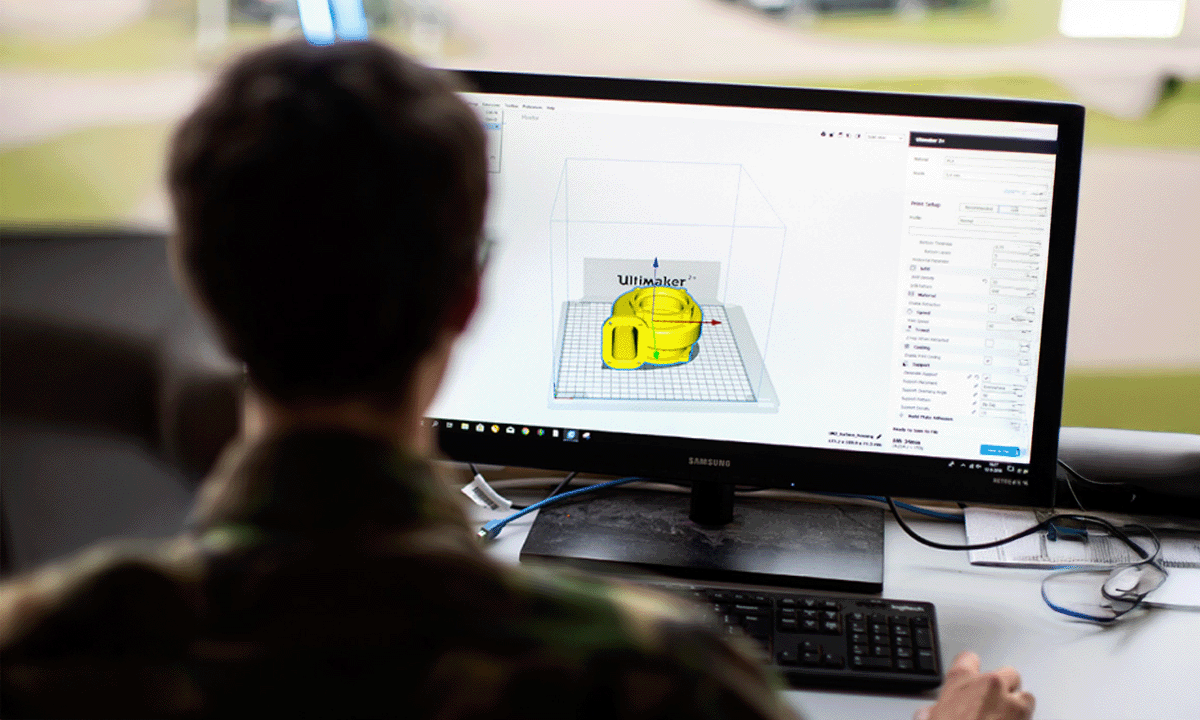
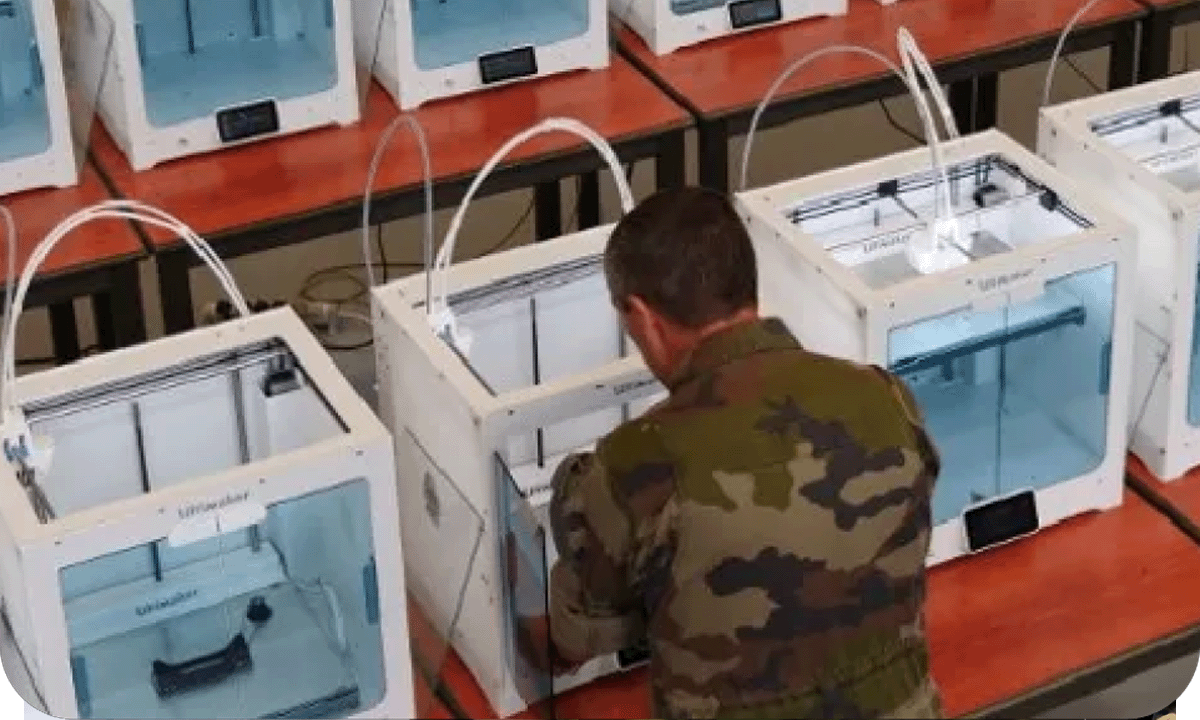
3D printing is easy to implement in the defense industry. No lengthy training on how to use the equipment is needed – Stratasys, Formlabs, UltiMaker and BLT products are plug&play.
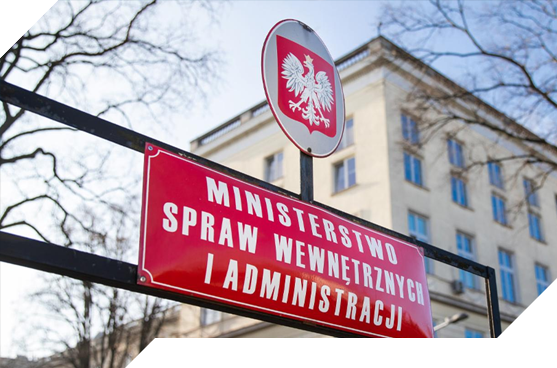
At CadXpert, security and verifiability of services are important to us. We are certified by the Ministry of Internal Affairs and Administration, which confirms our operational capabilities in key areas of the state, as well as our commitment to security standards.
In addition, CadXpert is ISO certified. We strive to comply with international quality standards and have quality and safety management systems in place. We regularly monitor them and implement improvements to meet the expectations of our customers and business partners.
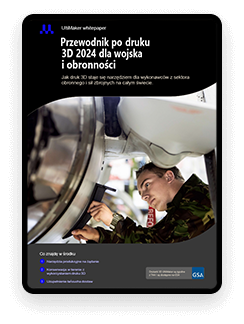
Download UltiMaker’s guide to 3D printing applications in defense. Find out how the defense industry is using 3D printing in its missions.
These are useful resources that will help you to learn more about the concept of 3D printing in defense, expand your knowledge and show how such solutions could be useful in your institution. They describe technologies, provide comparisons and explain a range of technical issues.
Read about deployments in the defense industry
The case study tells the story of Marshall Aerospace and Defense Group’s use of 3D printing technology.
The company has increased production efficiency and prototyping speed. It used Stratasys Fortus 450mc and F370 printers to create tools, final parts and prototypes, significantly reducing production time and costs.
In particular, we describe the use of ULTEM™ 9085 material for certified aerospace components and Nylon 12 for air duct adaptations, which reduced part weight by 63%.
The case study also underscores the growing importance of 3D printing in the optimization of aerospace structures and plans for future development of the technology.
“In our company, we can prototype extremely complex parts without the need for sophisticated machinery. 3D printing allows us to quickly and cost-effectively produce complex designs directly on-site.”
Eng. Stuart Dean, Marshall Land Systems
If you are thinking about using 3D printing and want to learn more and count the return on investment, talk to our 3D printing consultant.
As part of the conversation, the consultant:
In furtherance of our cooperation:
Do you have a specific problem or challenge that 3D printing could solve?
What size parts do you want to print? The most common prints are important, as they are the ones worth investing in 3D printers for.
What is more important to you aesthetics or the durability of the print? This will help us determine the right printing technology.
Is the print to meet any additional requirements? E.g. chemical resistance, heat resistance, biocompatibility certificate, pressure maintenance, low weight, handling of very heavy loads, abrasion resistance, good sliding properties, etc.
If you prefer a direct form of communication, below you will find
our phone and email contact.
Implementations: +48 577 127 775
Ordering materials: +48 733 501 666
3D printing services: +48 666 682 400
info@druk3d.cx
zamowienia@druk3d.cx
uslugi@druk3d.cx