3D printing in aerospace

3D printing in aerospace
– what challenges?

01

The aerospace industry strives for maximum weight optimization of parts.

02

In aviation, parts with special certifications for durability and non-combustibility are required.

03

Aircraft and drones may need metal structures with complex geometries inaccessible to CNC machining.

04

The aerospace industry needs customized tools to support production, measurement and machining.

05

Also in aviation, functional prototypes with defined properties similar to the final products are important.

3D printing solutions in aerospace

3D printing technology offers advanced materials to meet the stringent requirements of the aerospace industry. Stratasys, for example, offers the Aircraft Interiors Certification Solutions safety certification program developed together with the FAA.

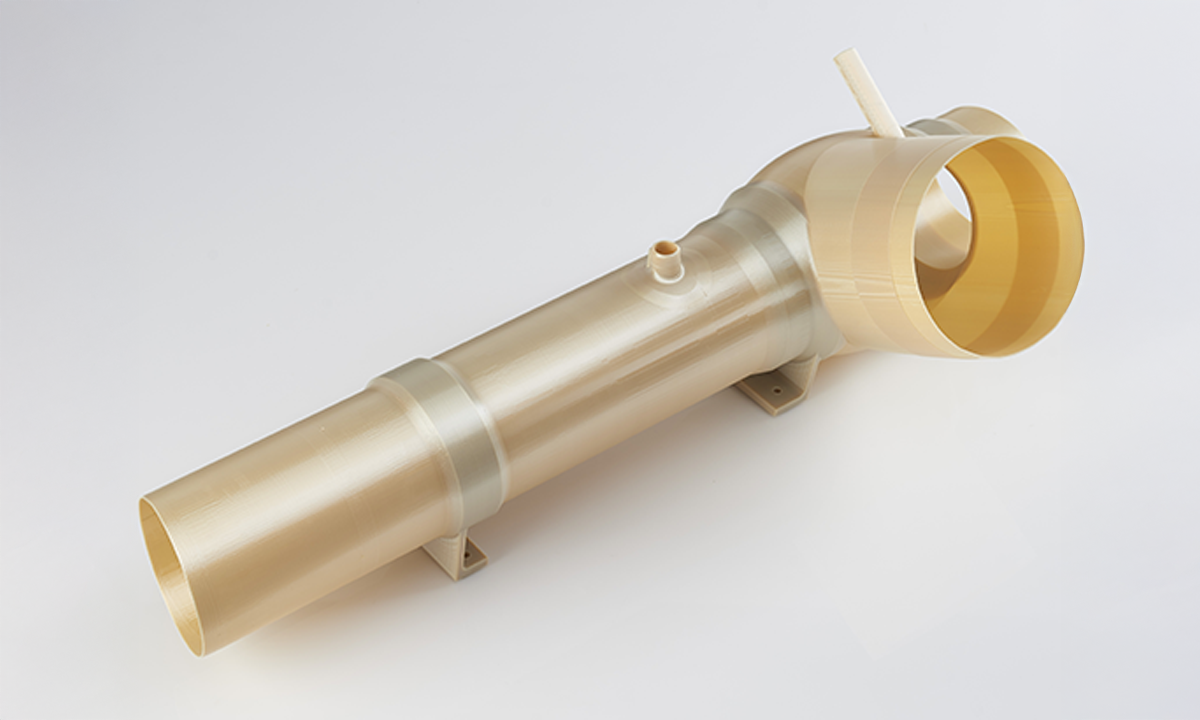
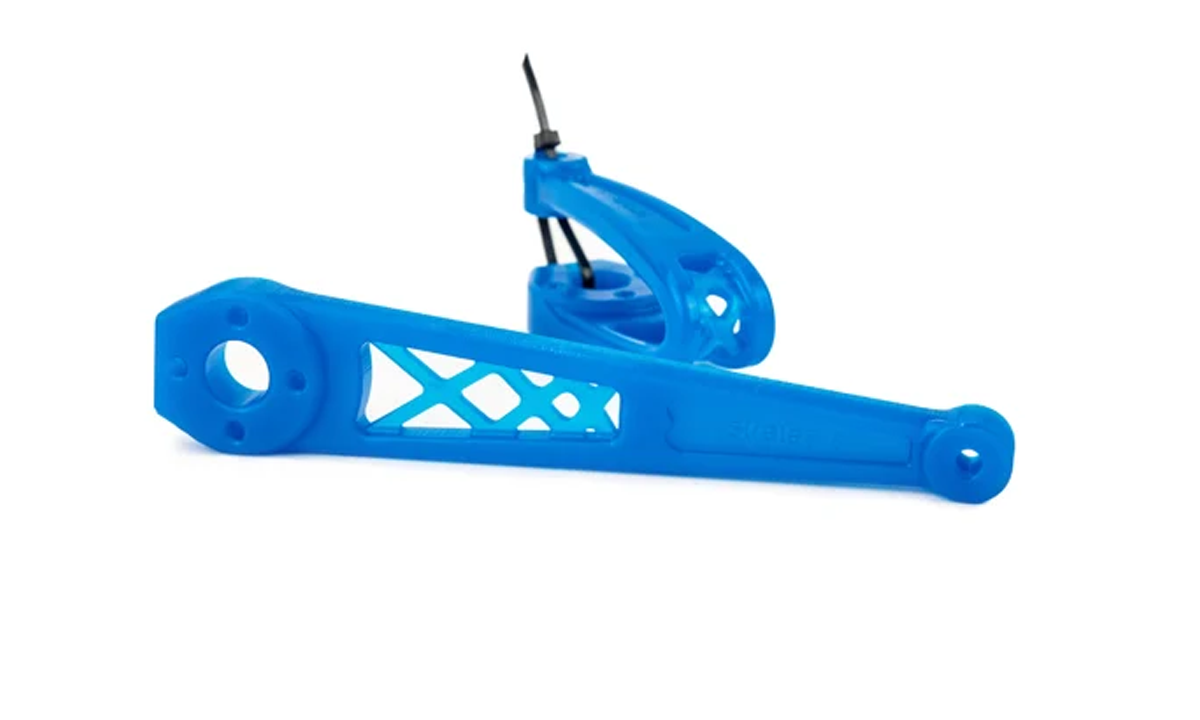
Lightweight plastic parts can successfully replace metal parts without compromising on strength. Advanced materials designed for aviation, with non-flammability certifications (Ultem 1010) or glass/carbon fiber addition (Nylon 12 CF and GF) , make it possible to supply parts mounted directly on aircrafts and helicopters.

Metal 3D printing is also important for aerospace – it delivers durability for complex part geometries and custom manufacturing.

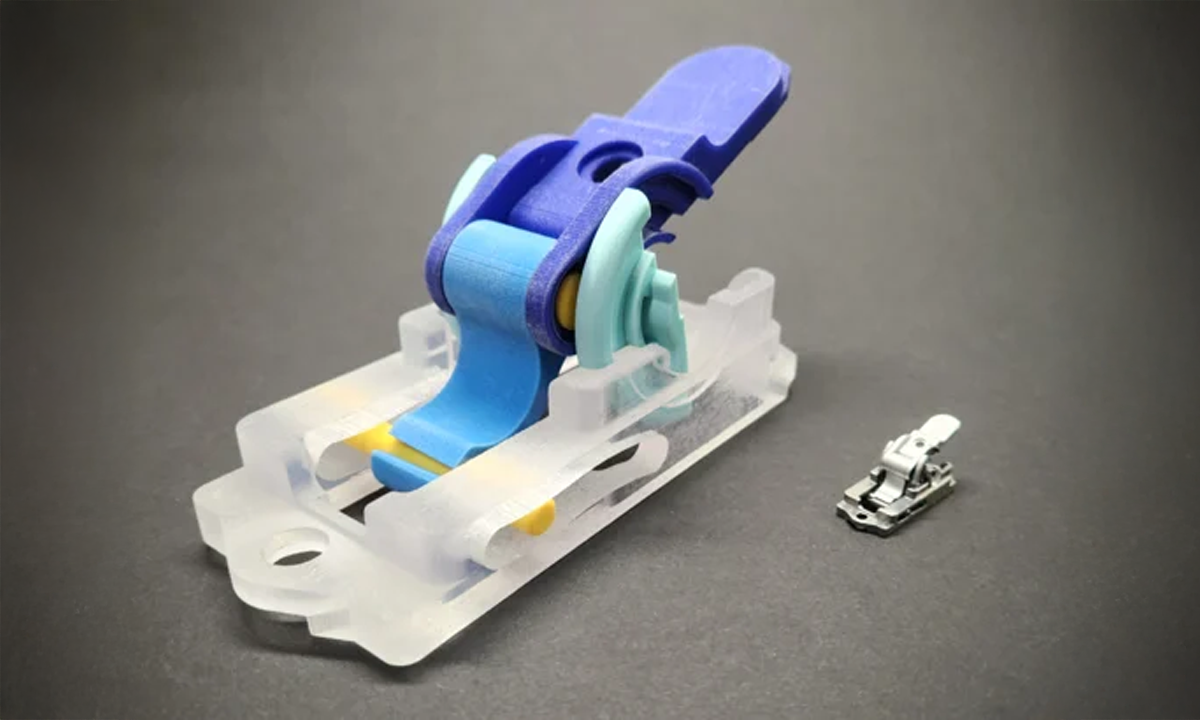
Additive technologies are also a way to quickly verify a design – wind tunnel testing, fit testing, etc. 3D printing can be used to create functional prototypes, especially with PolyJet (multi-material, color), SLA (precision) and FDM (durability) technologies.

CadXpert partners have a long history of working with giants such as Boeing and Airbus. This comes with experience and insight into industry applications.

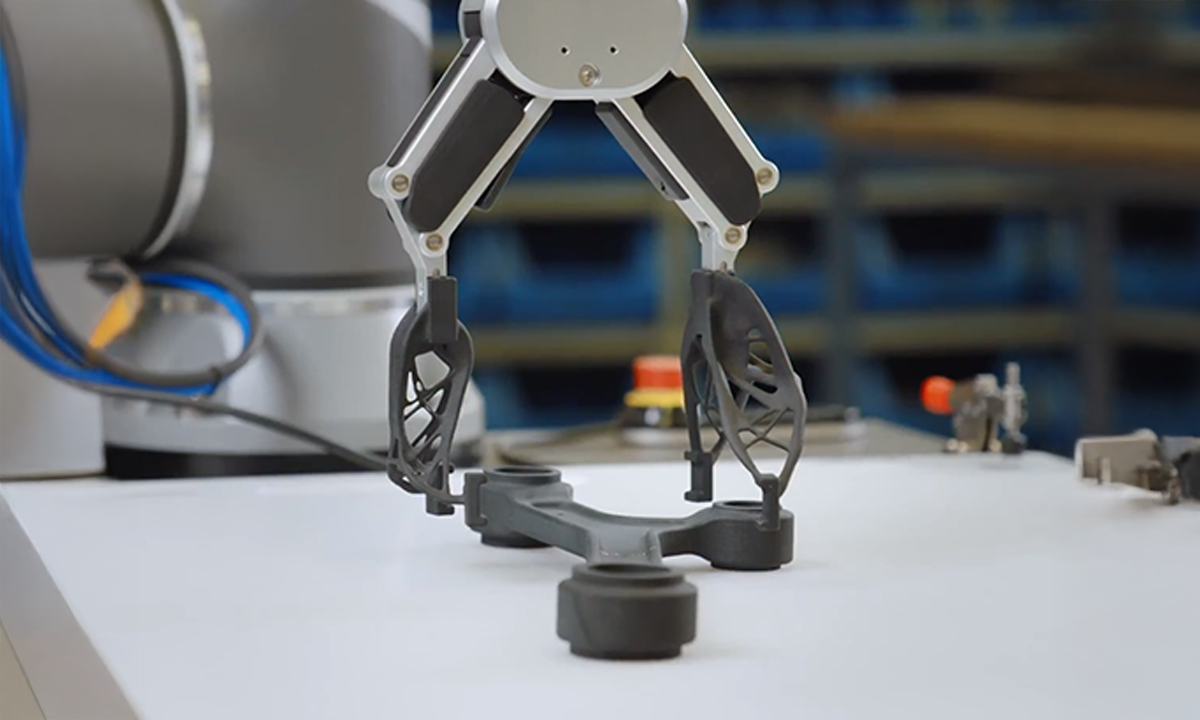
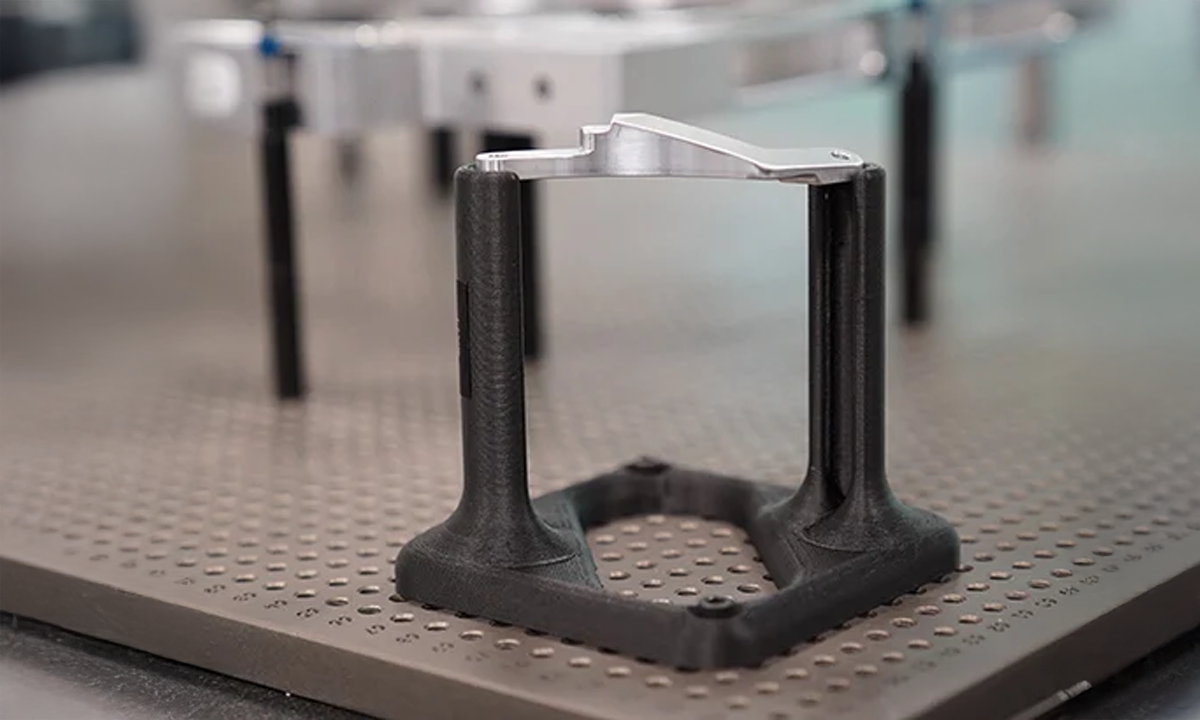
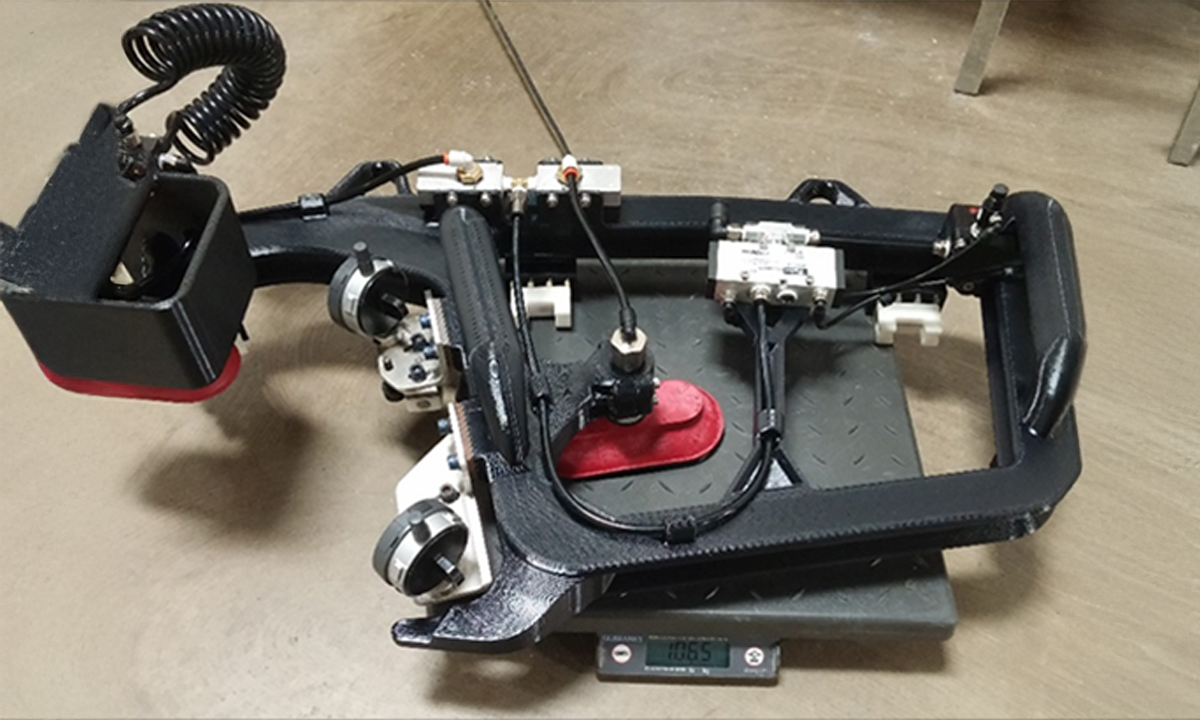
With 3D printing and scanning, the tools and jigs needed for specific tasks can be made directly in the manufacturing plant. Dedicated tooling makes mechanics’ work easier and faster.

3D printing is easy to implement in aviation. No lengthy training on how to use the equipment is needed – Stratasys, Formlabs, UltiMaker and BLT products are plug&play.

3D printers for the aerospace industry

BLT S800
Read more
Stratasys F900
Read more
Stratasys Fortus 450mc
Read more
BLT S310
Read more

Download resources
for aerospace and aviation

Downloads

Case study
On-demand manufacturing: tools and prototypes in the aerospace industry

The materials show examples of 3D printing applications in aviation.

By reading resources in the form of case studies, you will learn more about the concept of 3D printing in aviation and consider how such solutions could be useful in your institution. We write about technologies and explain a range of technical issues.

    Print gallery

    Example of application – case study

    Read about our implementations in aviation.

    Kelly Manufacturing Company (KMC) manufactures measuring device components on 3D printers.

    The company is one of the largest manufacturers of aeronautical measuring devices, such as gyroscopes, torsion indicators, tachometers, engine indicators and voltage inverters.

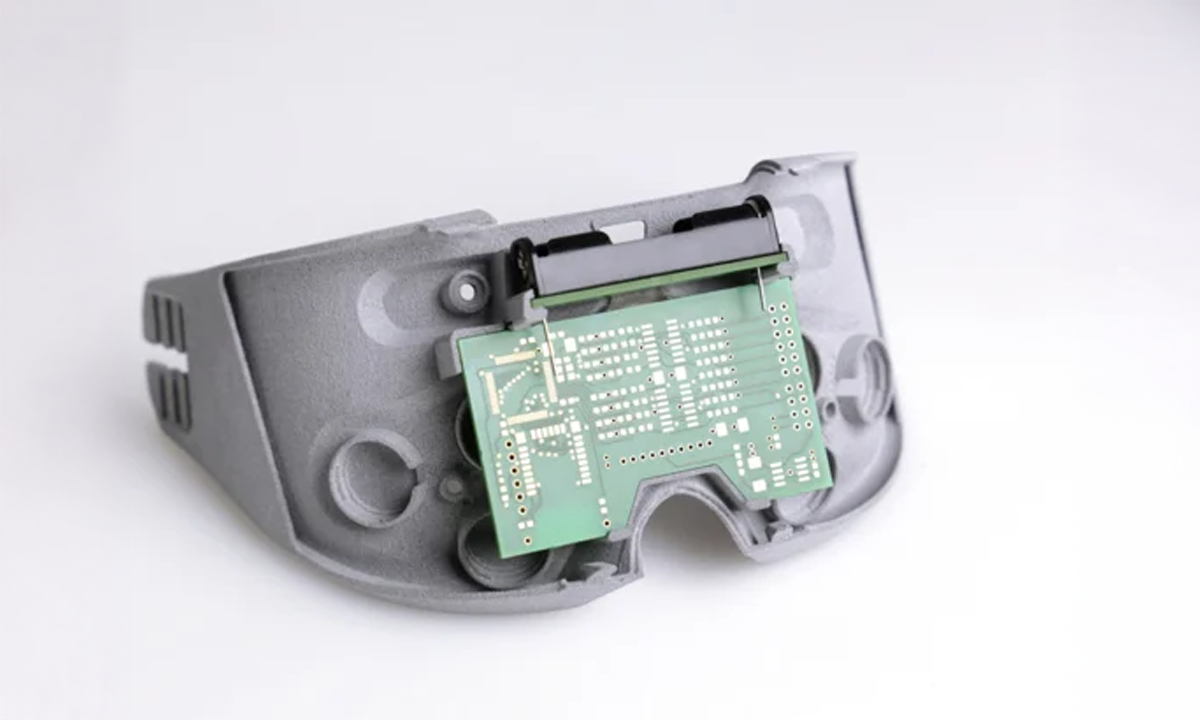
    3D printers were used to make the coil housings that power the operation of the steering indicator. Ultem 9085 material with temperature resistance up to 160 °C and FST (flame – smoke – toxicity) certification was used for serial production.

    A single Stratasys F900 printer cycle can produce up to 500 enclosures with dimensional accuracy.

    “The lead time of 500 units has been reduced to three days. In the aerospace industry, this is a fast pace for certified production parts.”

    Justin Kelly / CEO at Kelly Manufacturing Company, USA.

    Consult implementation

    1

    As part of the conversation, the consultant:

    2

    In furtherance of our cooperation:

    What questions will help us to assess your situation?

    1. 1

      Do you have a specific problem or challenge that 3D printing could solve?

    2. 2

      What size parts do you want to print? The most common prints are important, as they are the ones worth investing in 3D printers for.

    3. 3

      What is more important to you aesthetics or the durability of the print? This will help us determine the right printing technology.

    4. 4

      Is the print to meet any additional requirements? E.g. chemical resistance, heat resistance, biocompatibility certificate, pressure maintenance, low weight, handling of very heavy loads, abrasion resistance, good sliding properties, etc.

    Submit the form, our consultant will contact you within 15 minutes.

    Konsultant duku 3D

      Direct contact