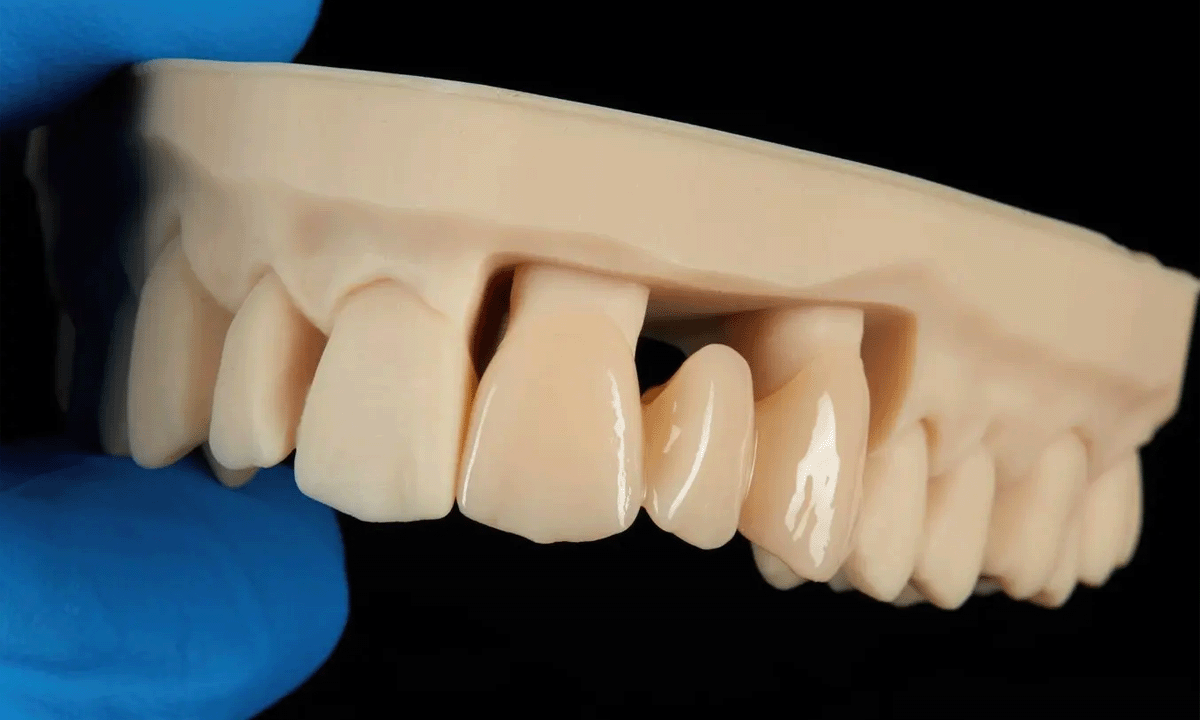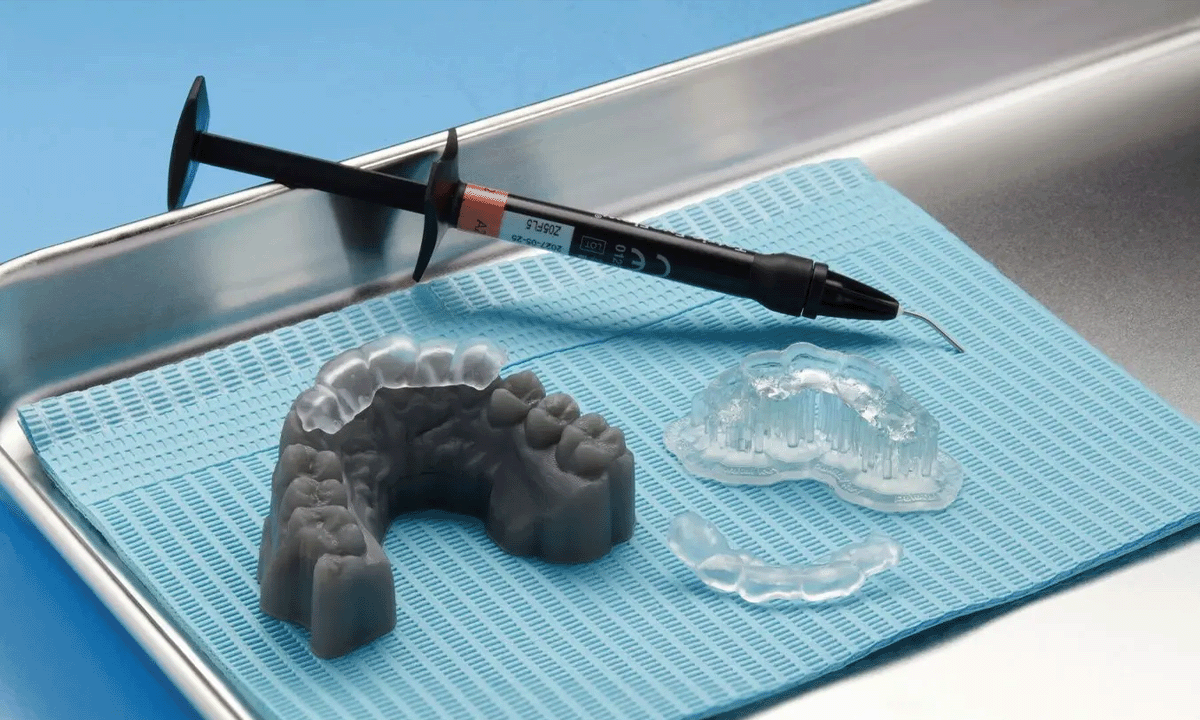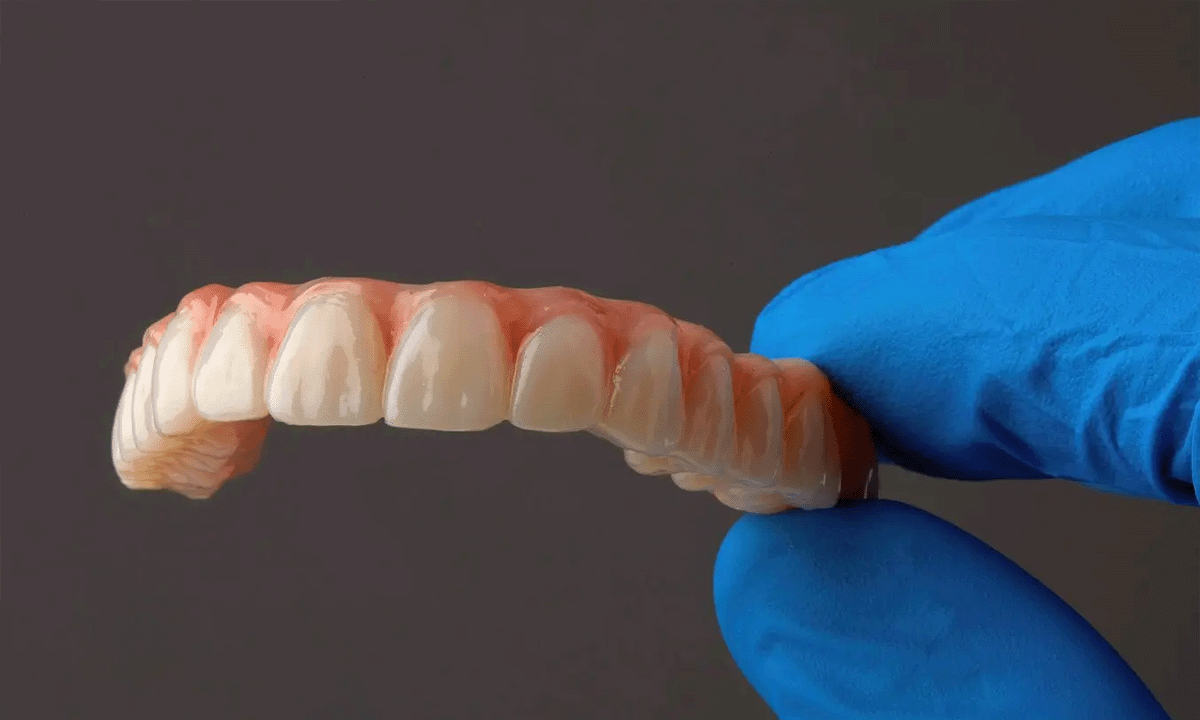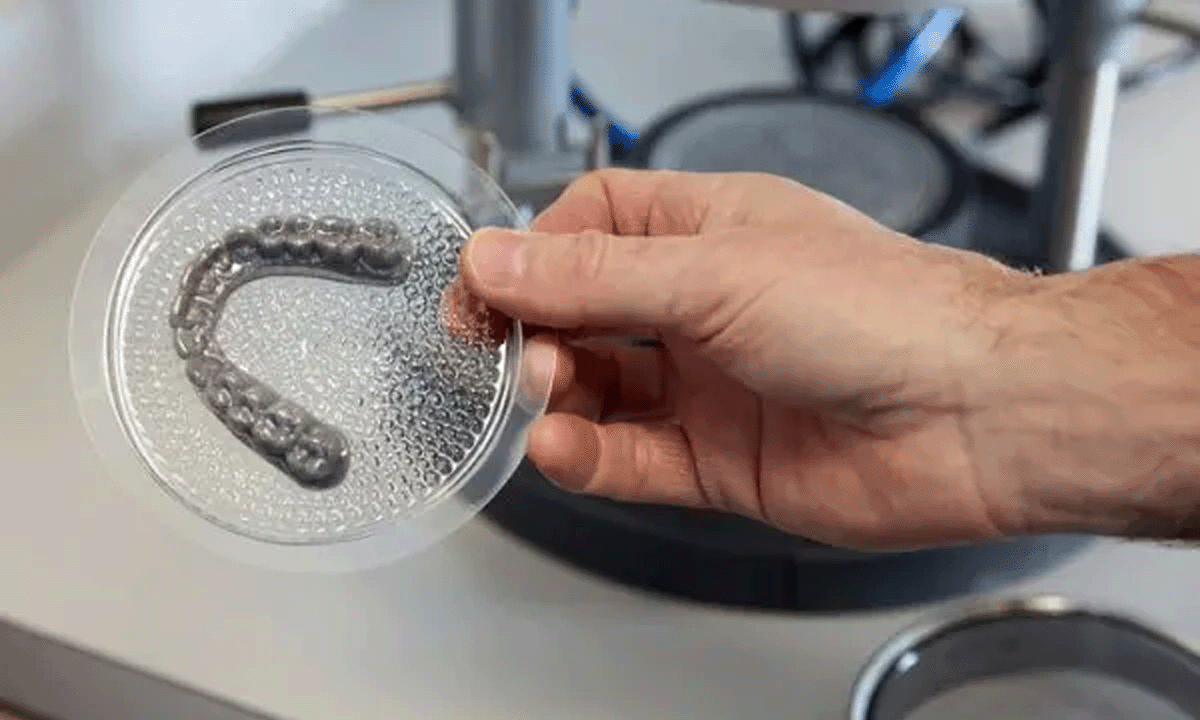
3D printing solutions in digital labs ensure clean, fast work with models and high accuracy of products.
Dentists often need to make a customized medical device in the shortest possible time. Among many applications with such requirements, you will find temporary crowns and bridges for the preparation of permanent crowns. Also – surgical templates and models.
Laboratories must store medical information, including models, for many years. This takes up space, requires storage management and does not guarantee quick availability.
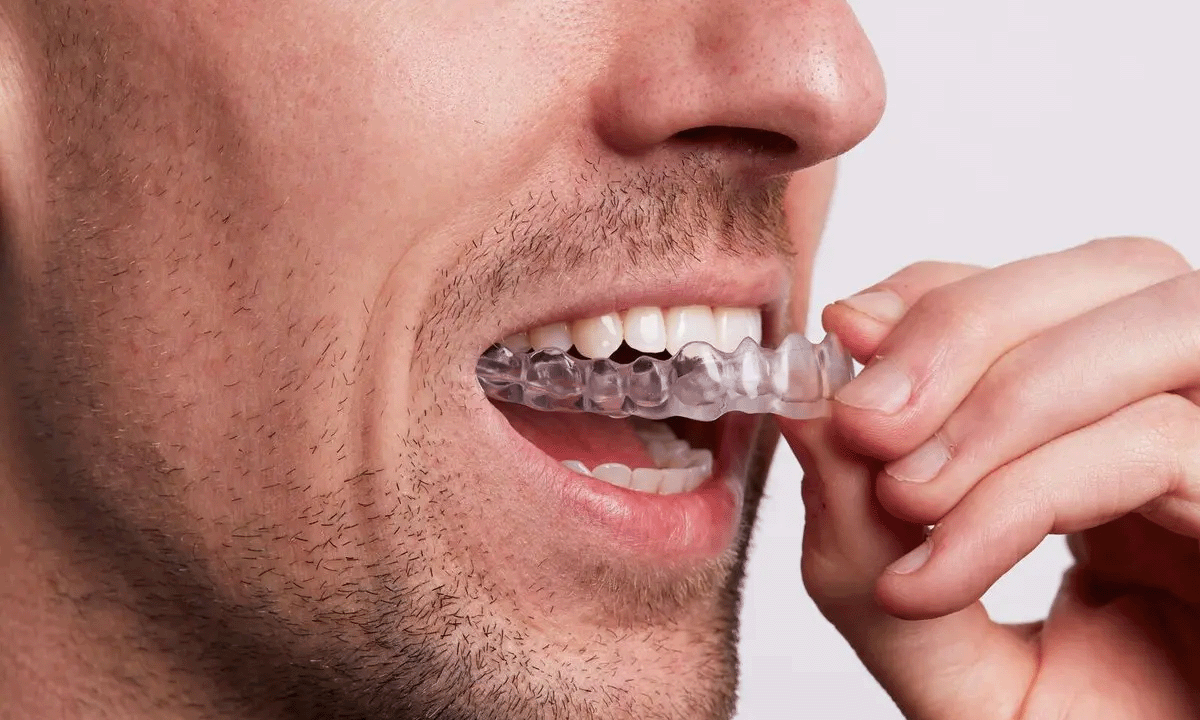
In orthodontic practice, it is often necessary to obtain more models in a short period of time. This applies, for example, to ClearAligner and Invisilign orthodontic inlays.
Laboratories are looking for ways to reduce milling machine occupancy.
For the best treatment results, dentistry sets high standards for the accuracy of medical devices, difficult to achieve in manual production.
Prosthodontists move away from traditional manufacturing methods, which are characterized by high waste and contamination of the workspace.
Learning prosthetic technique with wax modeling is associated with a steep learning curve and a high threshold of entry skill.
Maxillofacial surgeons are concerned with placing the implant in the correct position, which gives a better visual effect and increases the chances of correct healing of the implant. To do this, they use surgical guides.
Patients are not always able to imagine the effect of treatment. Realistic visualizations and try-ins are useful.
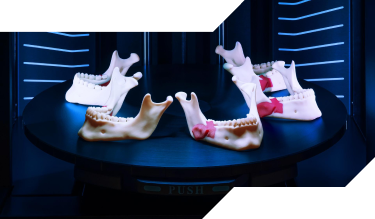
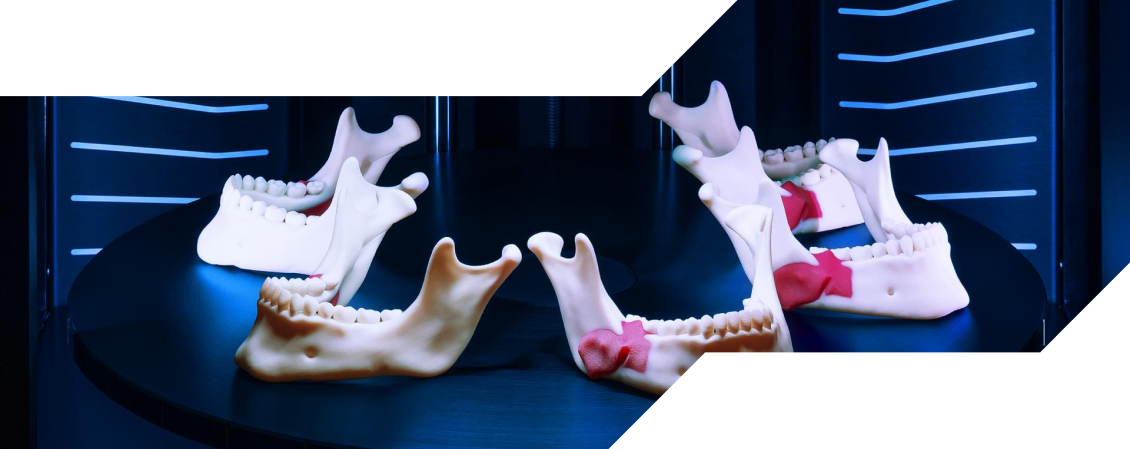
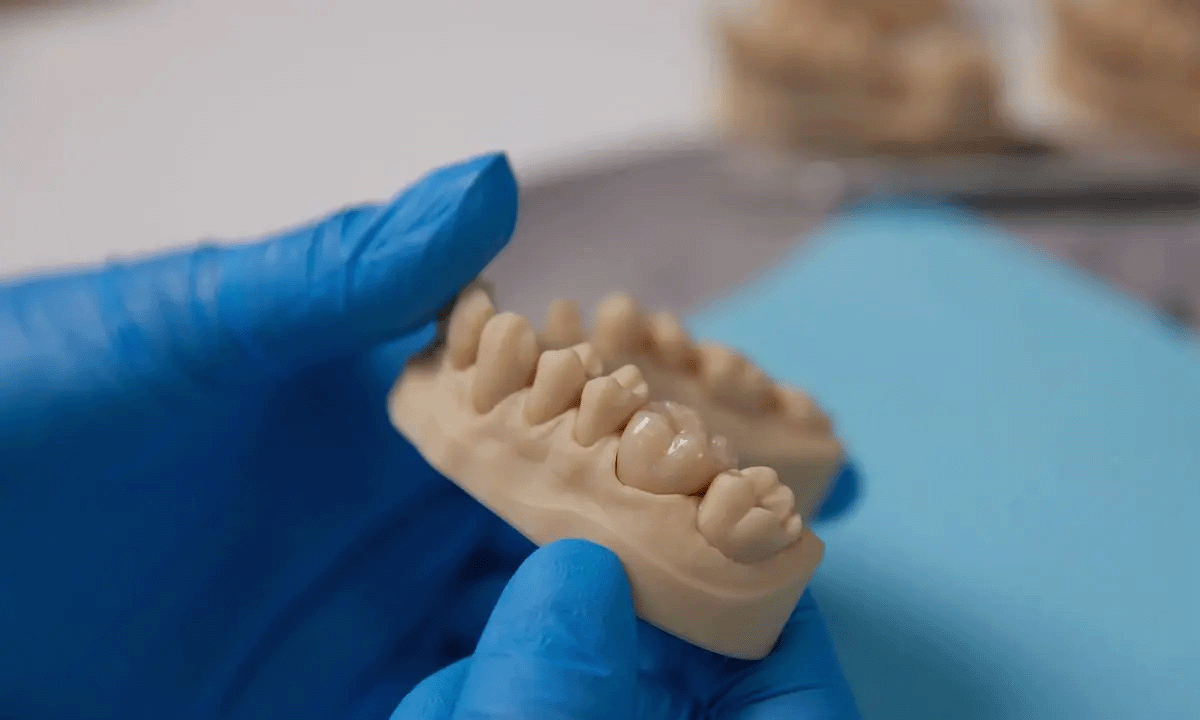
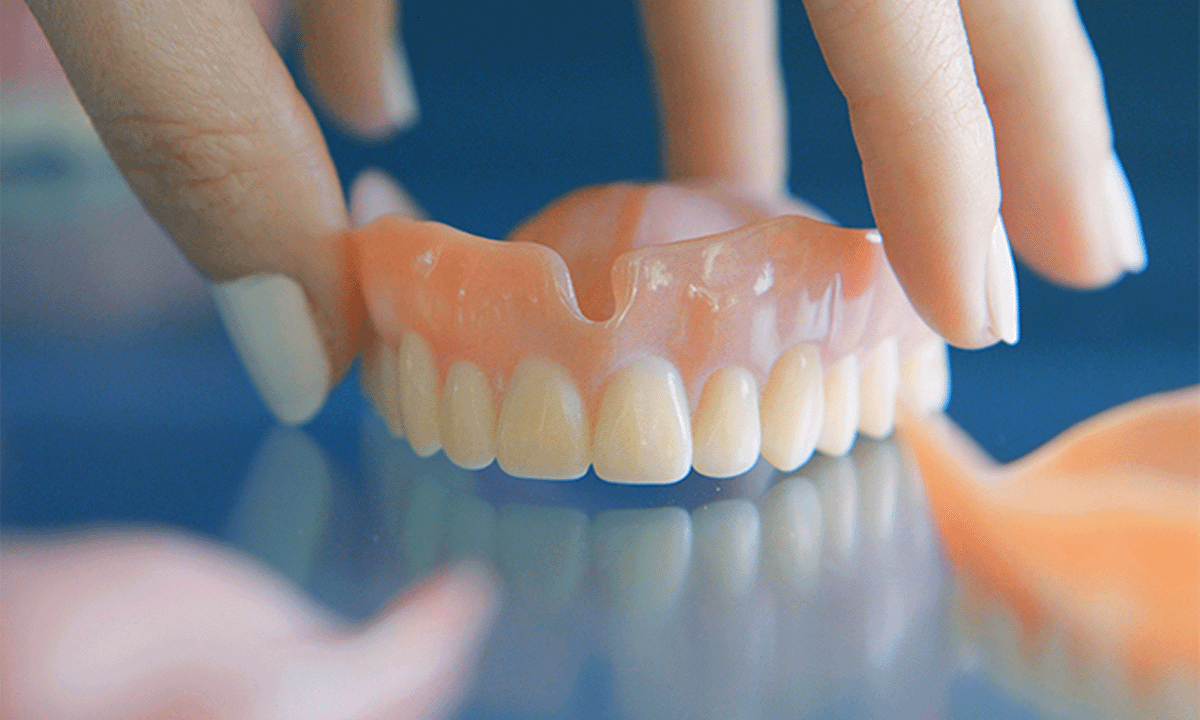
You can use 3D printing in dentistry to create dental arch models, orthodontic trays, surgical guides, customized implant abutments and other accessories.
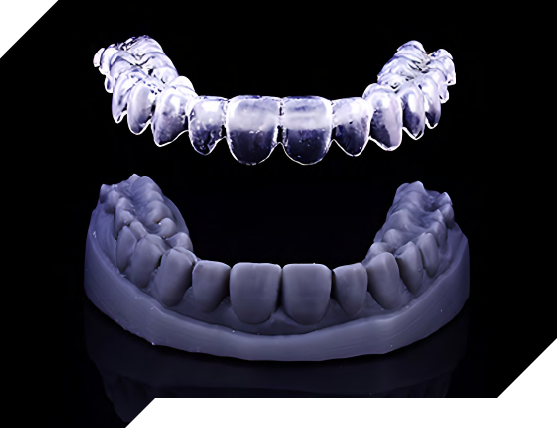
You’ll also print dental arch matrices for vacuum molding to save on manufacturing Clear Aligner caps. With 3D printer models, you can verify the fit and correctness of the overlay individually to the patient.
With 3D printing, you will be able to use splints printed from biocompatible materials and standard drill bushings, so as to insert implants precisely and safely. The use of templates is convenient for the surgeon and shortens the procedure time.
Speed of obtaining models and products. The transition from analog to digital manufacturing allows us to create dental arches faster than from plaster mass, and with the same color.
Availability of biocompatible and sterilization-approved materials. 3D printing products can be used in contact with the human body and for autoclave sterilization.
Precision parts. The availability of soluble supports in resin 3D printing increases the precision of fabricated parts, which can reach up to 25 μm or 16 μm. Print models with interchangeable dies, crowns and bridges, even without the use of alcohol in post-processing.
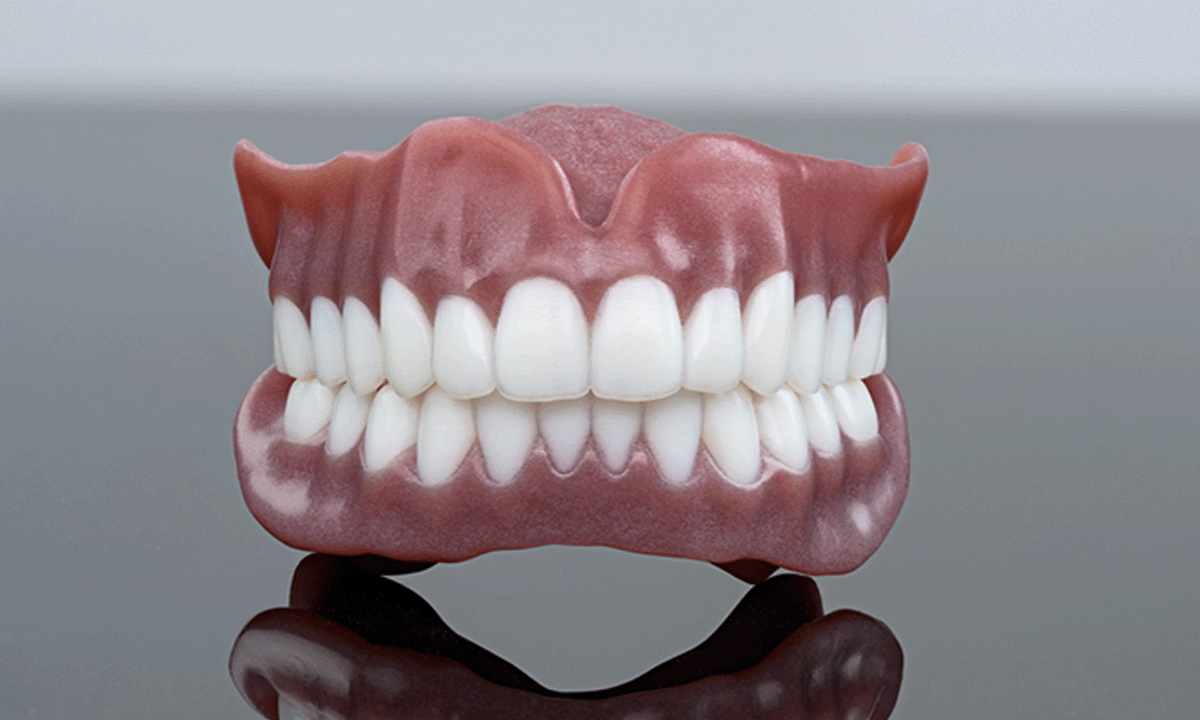
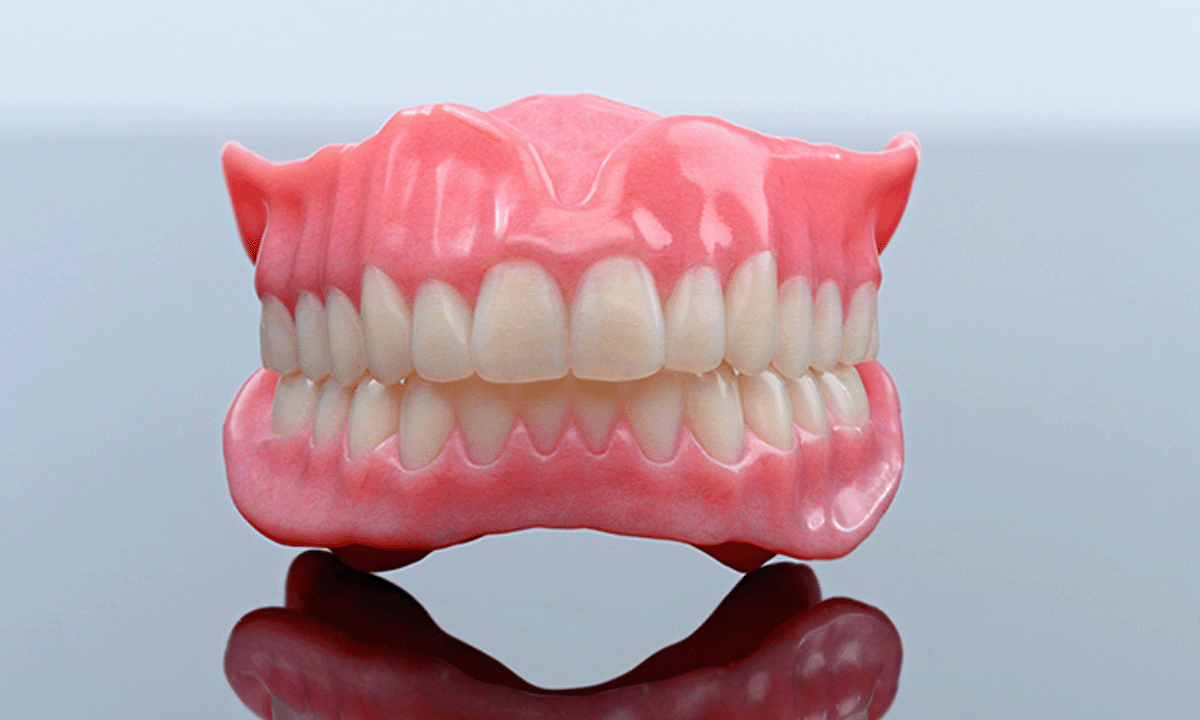
Color components and multi-material prints. TrueDent materials for Stratasys printers allow you to combine multiple materials in a single print and give you access to a color palette of thousands of colors.
Material savings. Formlabs printer resin is available in 5-liter containers with a pump system, so now it’s even easier to reduce your material expenses.
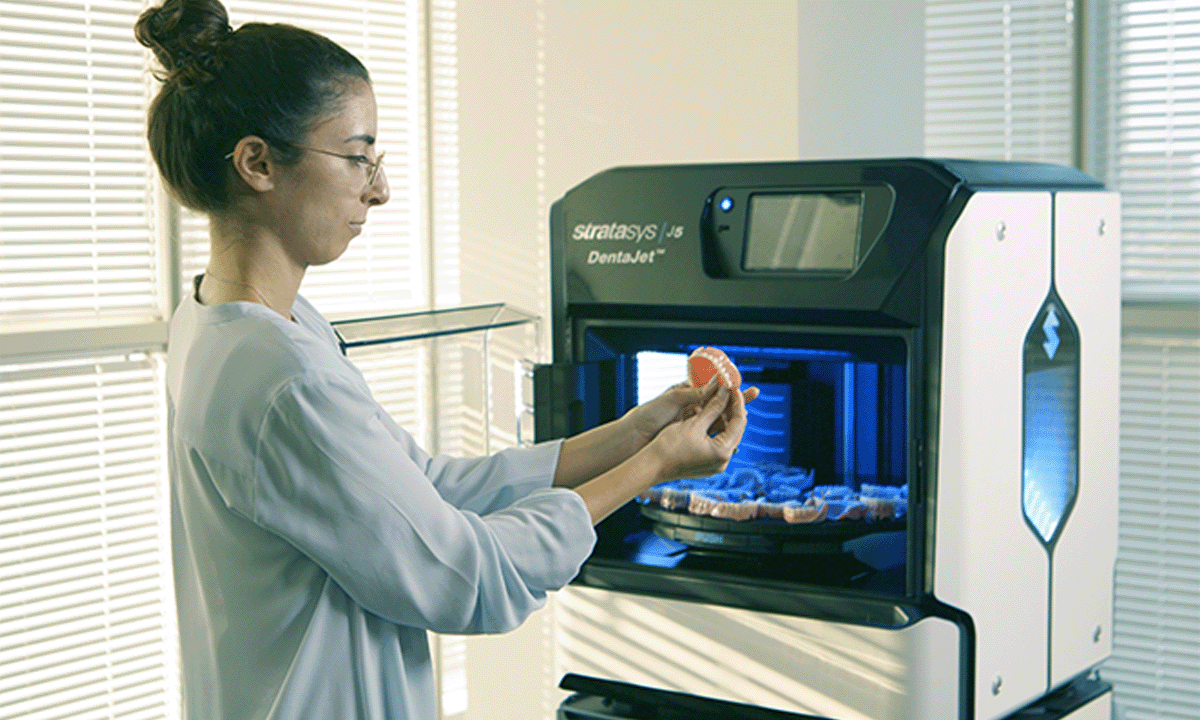
3D printing is easy to implement in dentistry. No lengthy training on how to use the devices is needed – Stratasys and Formlabs products are plug&play devices. The printers have many presets and, without much setup time, give you the confidence of a successful print.
3D printing systems are comprehensive – they will take the technician through the design, printing and finishing stages.
3D printing is easy to implement in dentistry. No lengthy training on how to use the equipment is needed – Stratasys and Formlabs products are plug&play.
Download resources about dental applications of 3D printing. Our tutorials and case studies are at your disposal.
By reading materials in the form of guides and case studies, you will get to know better the concept of 3D printing in dentistry and consider how such solutions could be useful in your institution. We write about technologies and explain a range of technical issues.
Read about our implementations in dentistry.
Poznan’s Exclusive Dental Studio clinic uses a complete Formlabs 3D printing system to produce dental products tailored individually to each patient.
3D printers are used to create models of dental arches, clear aligner caps and templates for precise implant placement.
The prints support the orthodontic digital design process, which involves modeling and planning the corrective treatment. In this way, doctors can prepare for the procedure and patients can see the results of the treatment.
“The introduction of Formlabs Form 2 3D printers into our practice three years ago has created new opportunities for work in various areas of dentistry.”
Agnieszka Kulik / Exclusive Dental Studio
If you are thinking about using 3D printing and want to learn more and count the return on investment, talk to our 3D printing consultant.
As part of the conversation, the consultant:
In furtherance of our cooperation:
Do you have a specific problem or challenge that 3D printing could solve?
What size parts do you want to print? The most common prints are important, as they are the ones worth investing in 3D printers for.
What is more important to you aesthetics or the durability of the print? This will help us determine the right printing technology.
Is the print to meet any additional requirements? E.g. chemical resistance, heat resistance, biocompatibility certificate, pressure maintenance, low weight, handling of very heavy loads, abrasion resistance, good sliding properties, etc.
If you prefer a direct form of communication, below you will find
our phone and email contact.
Implementations: +48 577 127 775
Ordering materials: +48 733 501 666
3D printing services: +48 666 682 400
info@druk3d.cx
zamowienia@druk3d.cx
uslugi@druk3d.cx