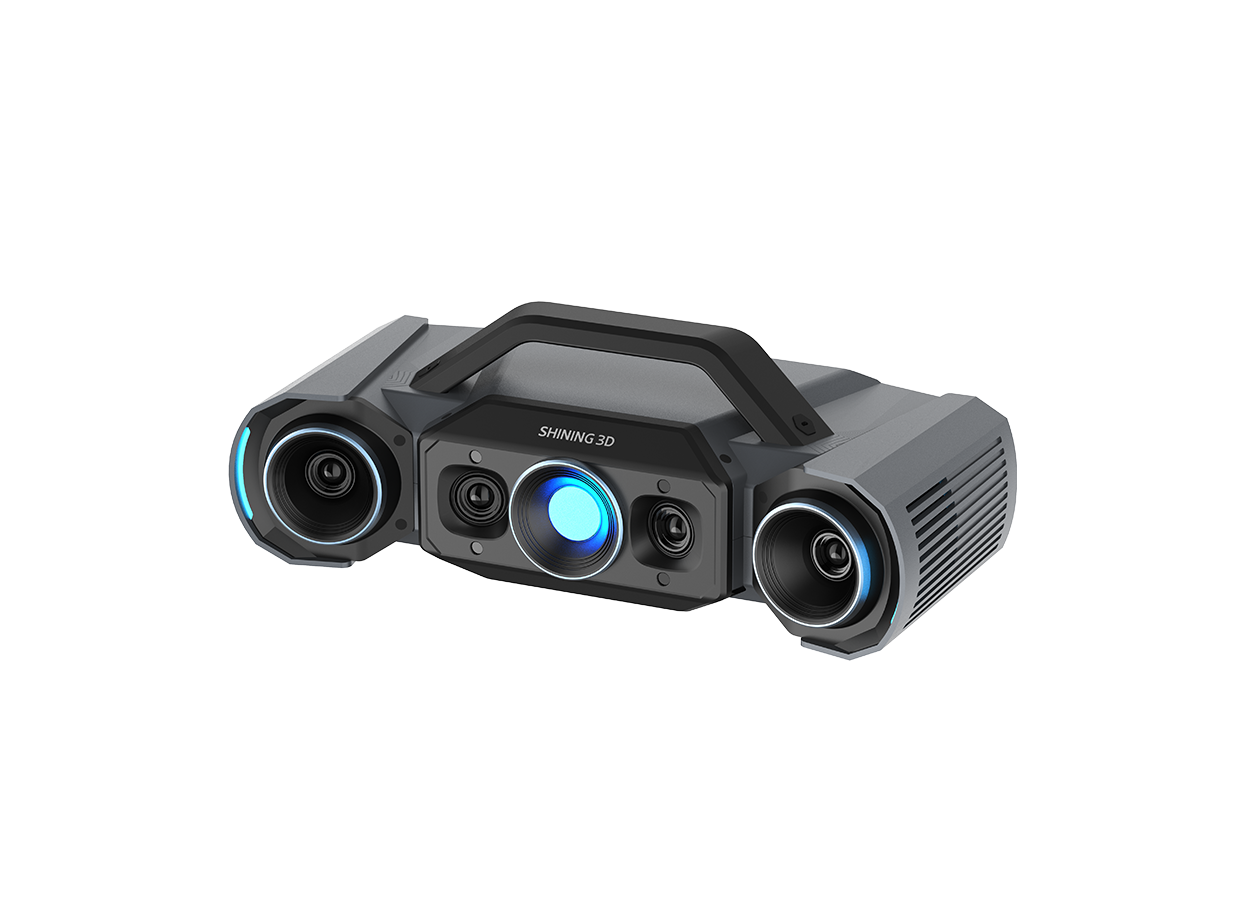
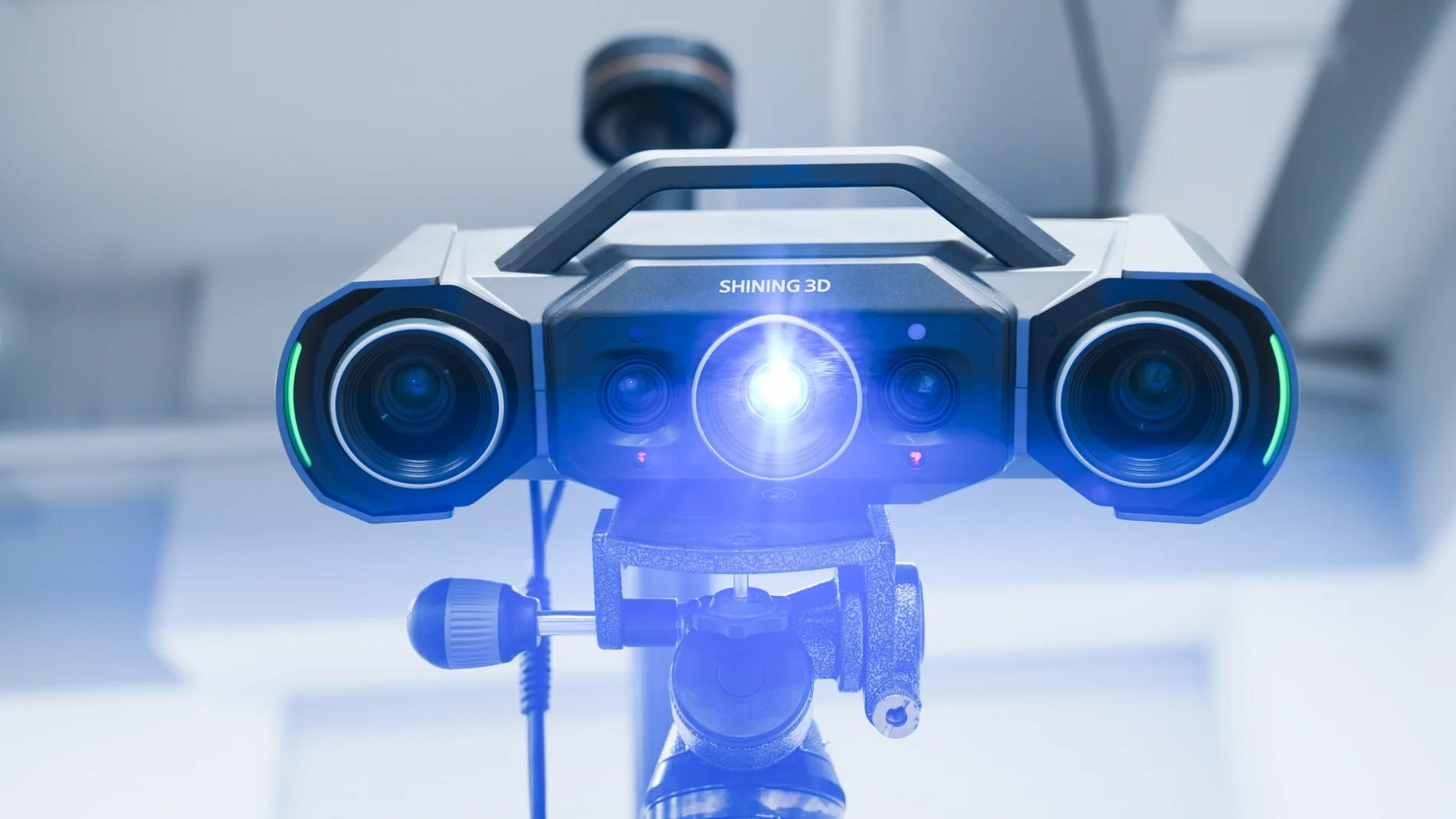
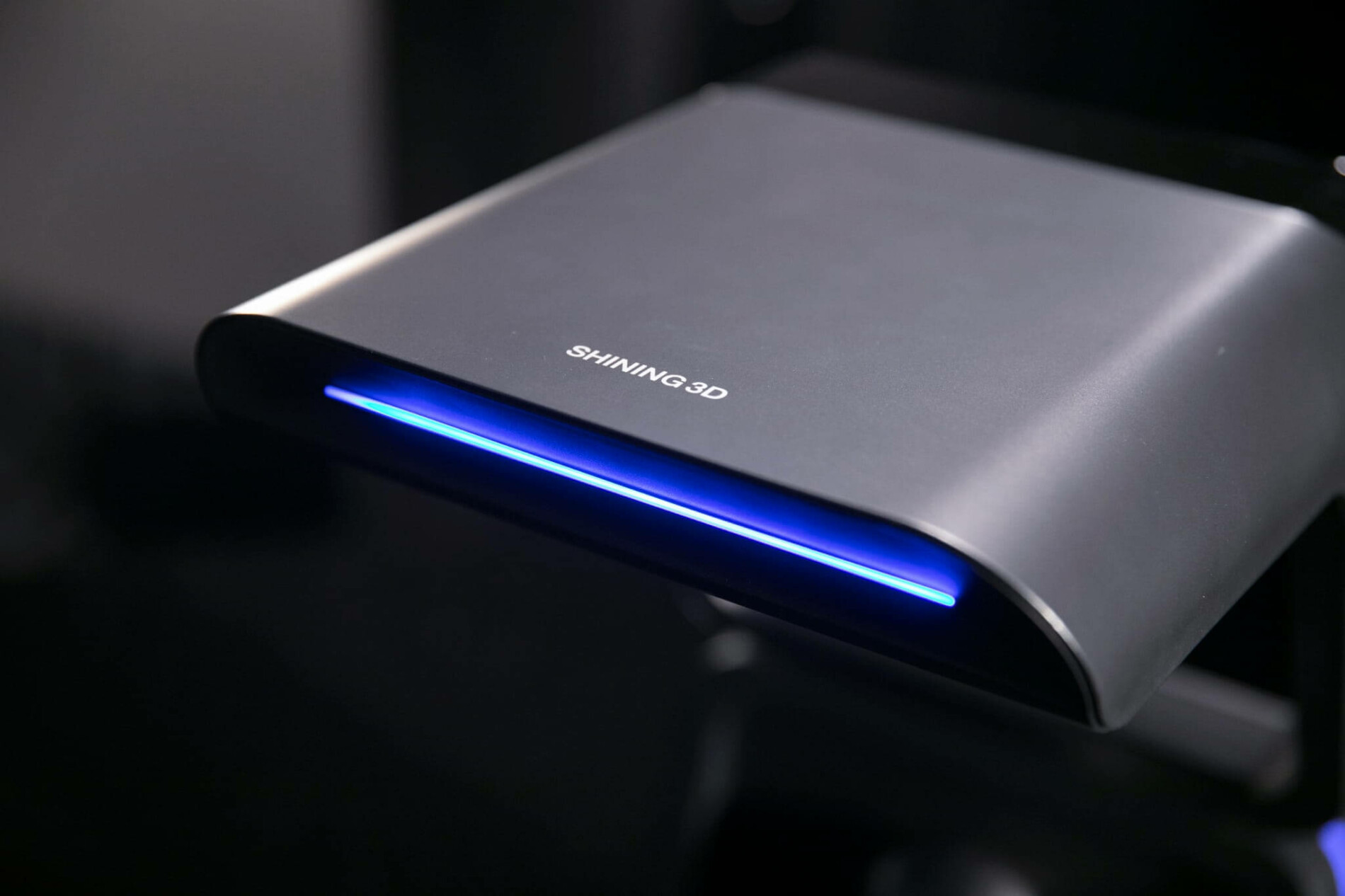
OptimScan Q12 3D scanner

Ultra-precise 3D inspection scanner


Accuracy
0.005 mm
Cameras
4 x 12.3 MP

3D scanning ranges
2
Special feature
Monocular-Stereo Fusion (MSF).

What are the uses of the scanner and in what industry will it work?

For whom?

OptimScan Q12 is designed for professionals in industries such as automotive, aerospace and electronics who need reliable, ultra-precise quality control and reverse engineering.


Why Shining 3D OptimScan Q12?

  • 4 cameras × 12.3 MP
  • Dual scanning range
  • Monocular-Stereo Fusion (MSF).
  • Variable exposure
  • Single measurement < 1 s

What benefits and key advantages does the scanner bring?

01
High performance

Equipped with 4 12.3 megapixel cameras, the OptimScan Q12 accurately captures geometric details on the surface of an object. Combined with powerful hardware modules and 3D reconstruction algorithms, it provides impressive accuracy to 0.005 mm.

02
Dual scanning range, easy to use

The OptimScan Q12 has two scanning scopes that can be switched with a single click, eliminating the need to manually adjust aperture and focal length. Scanned data from different scopes can be seamlessly combined in the software, ensuring workflow efficiency and detailed scans.

03
Variable exposure, faster scanning

Powered by a built-in dual-chip computing module, the OptimScan Q12 provides fast image acquisition and data processing. Each measurement takes less than 1 second, capturing an impressive 12 million points with exceptional precision. To further streamline the workflow, the Q12 offers multiple exposure modes – including intelligent auto exposure – significantly reducing scanning time while ensuring optimal results in a variety of surface conditions.

04
Automated inspection solution

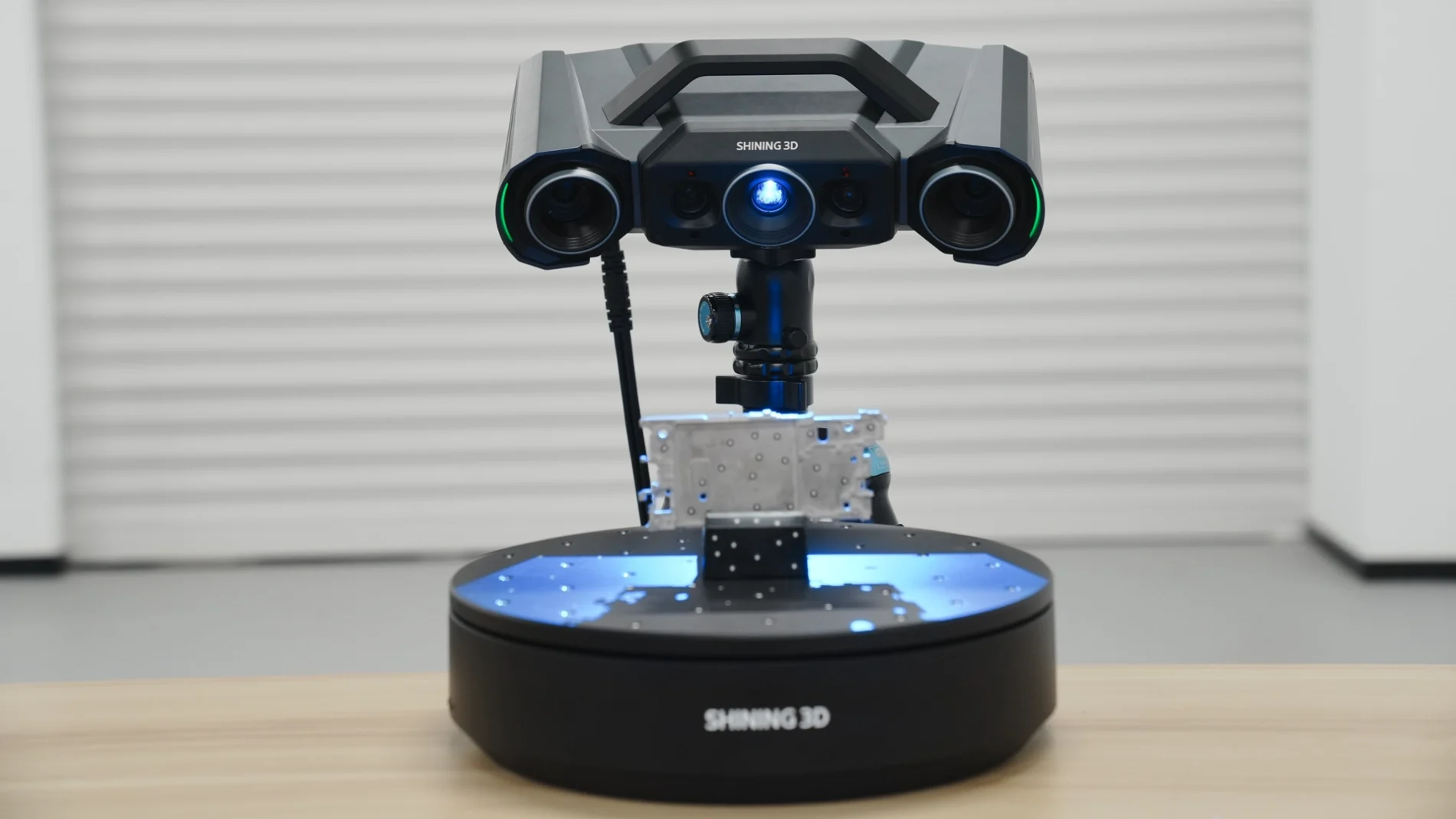
OptimScan Q12 can be integrated with an intelligent 3D inspection system, enabling a fully automated workflow from scanning to report generation.

05
Dimensional inspection up to 90% faster

The OptimScan 3D scanner allows for accurate and fast quality control. It scans objects in minutes, and the software automatically creates a measurement report. This makes dimensional inspection with this 3D scanner up to 90% faster than using a coordinate measuring machine (CMM).

06
Compatibility

OptimScan Q12 supports various data formats.
Supports commonly used reverse engineering or quality control software.

Won’t the process of implementing 3D scanning technology be too complicated?

At CadXpert, we not only offer 3D scanners, but also provide comprehensive support in the implementation process. Our team is here to help at every stage. We help individuals and companies realize the full potential of 3D scanning. With our consultants, the implementation of 3D scanning technology will be easier and more effective, regardless of the industry or size of the company.

Business benefits

What do you gain by implementing Shining 3D OptimScan Q12 in your company?

Introducing 3D scanning to your company will improve the efficiency of your manufacturing and maintenance processes. You will receive accurate 3D models in a short period of time, reducing the time it takes to design, prototype and reach the market.

In addition, 3D scanning will allow you to precisely control the quality of your products. You will eliminate errors at the preliminary design stage and ensure higher precision and standardization in production.

With the ability to quickly create object reconstructions and access measurement data digitally, analyzing and improving production processes will be easier and take less time and resources.

Scanning technology

With this in mind, we have created 2 introductory ebooks on 3D scanning

Ebook
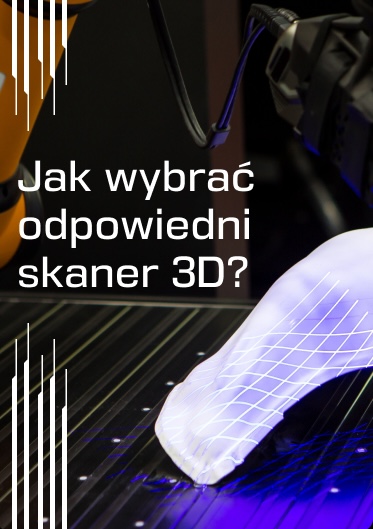
How to choose the right 3D scanner?
What do I find in the guide?
  • You will learn how 3D scanning technologies work
  • You will learn how to select a scanner for the object
  • You will learn about the resolution, accuracy and speed of 3D scanning
Ebook
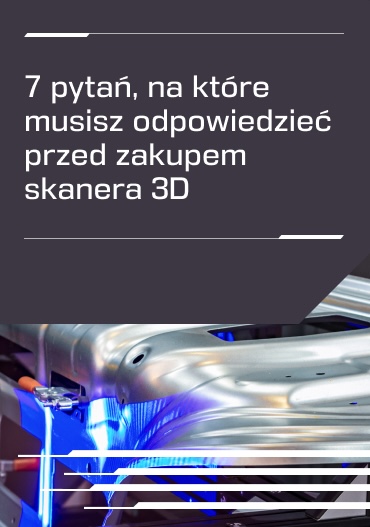
7 questions you need to answer before buying a 3D scanner
What do I find in the guide?
  • Explanations about the importance of 3D scanner accuracy
  • Tips on selecting a scanner relative to the size of the items to be scanned
  • Information about the software that 3D scanners work with
  • Assist in budgeting for 3D scanners

Our guides will help you in the decision-making process and direct you in choosing solutions.

These are useful materials that you will be able to present at a board meeting or before a purchasing committee. They inform you about technologies, include comparisons and explain a range of technical issues.

    Technical parameters of the scanner

    Explore the detailed technical specifications of the Shining 3D OptimScan Q12 scanner

    Light source
    Blue light (LED)
    Scanning method
    Non-contact 3D scanning with structured light
    Working distance
    590 mm | 210 mm
    Depth of field
    300 mm | 60 mm
    Scanning speed
    ≤1 s
    Scanning accuracy
    0.005 mm – 0.015 mm
    Max. scanning area
    430 mm x 300 mm
    Mass
    3.5 kg
    Output formats
    ASC, STL, OBJ
    Dimensions
    366 mm x 162 mm x 132 mm
    Recommended operating system
    Windows 10 and 11, 64 bit
    Certifications
    CE, FCC, ROHS, WEEE, KC, FDA, UKCA, IP50,TELEC, TiSAX

    Learn more about the OptimScan Q12 3D scanner

    See the OptimScan Q12 in action.

    Consult your project

    1

    As part of the conversation our specialist:

    2

    In furtherance of our cooperation:

    What questions will help you assess your situation?

    1. 1

      What are the main goals and expectations of using a 3D scanner in your business?

    2. 2

      What is the anticipated size of the objects or items to be scanned?

    3. 3

      What are the expected parameters for scanning accuracy and precision?

    4. 4

      Is the 3D scanner to meet any additional requirements? E.g. 3D scanning in color, seamless digitizing of reflective elements, having relevant certifications, working in harsh environmental conditions, etc.

    5. 5

      Do you have a specific budget to purchase a 3D scanner?

    Submit the form, our consultant will contact you within 15 minutes.

    Konsultant duku 3D

      Direct contact

      Frequently asked questions

      Still wondering? We hope this list of frequently asked questions will help answer some of your doubts.

      Most Shining 3D scanners are designed to be easy to operate, even for those with no prior experience. For the most technically advanced models, we offer specialized training in their operation to ensure you get the most out of these devices.

      The field of 3D scanners uses a variety of technologies, the most common of which are 3D laser scanners, 3D structured light scanners and 3D infrared light scanners. Recently, hybrid 3D scanners are also gaining popularity. They allow for the simultaneous use of multiple technologies, allowing for efficient processing of different types of objects.

      Yes, there are some limitations on the type of materials that can be scanned with 3D scanners. For example, some scanners may have difficulty accurately scanning very shiny or transparent materials. Most 3D scanners can be used to scan many different types of materials, including plastics, metals, wood, fabrics and others.

      • Scanning accuracy: Make sure the scanner offers enough accuracy for your needs.
      • Scanning range: Check whether the scanner can scan objects of different sizes and shapes.
      • Scanning speed: Make sure your scanner offers the right scanning speed for fast and efficient data collection to increase productivity.
      • Portability: Consider whether you need a portable or desktop scanner.
      • Compatibility: Make sure the scanner is compatible with other tools and systems used in your company.
      Poradnik druku 3D

      Read more about 3D scanners

      Take a look at our knowledge base to learn more about 3D scanning and its practical applications.

      Learn about our case studies