CadXpert Technologies

3D printing technologies
at CadXpert

Hero poradnik usług druku 3d mobile Hero poradnik usług druku 3d desktop

What are the characteristics of 3D printing technologies?

3D printing is several families of technologies with completely different assumptions. The different workflow and print characteristics of each technology will make a difference in your choice of service.

The plastic printing technologies we use are FDM, SLA, SLS, PolyJet and SAF. See their brief characteristics and a comparison table.

Selection of technology by application

Select an application

How to read the above technology selection path?

For visual models, mock-ups and presentation prototypes, PolyJet and SLA work best. They give the highest accuracy, about ±0.1 mm, and a smooth surface, and PolyJet also prints in full colour and in several materials at once.

The highest strength comes from DMLS/SLM metal printing (AlSi10Mg, Inconel 718, SS 316L steel, Ti-6Al-4V titanium) and from FDM in engineering plastics such as ULTEM 9085, ULTEM 1010 or Nylon 12 CF. SLS with PA11 and PA12 polyamides gives medium strength.

Soft, rubber-like parts are printed in PolyJet (Elastico) and SLA (Formlabs Elastic 50A, Flexible 80A, Silicone 40A). When high elongation matters, choose FDM with TPU 92A or SLS with TPU 90A.

Among plastics, SLS and FDM parts handle chemicals best, for example polypropylene, Nylon 11 and Nylon 12 in SLS and engineering plastics in FDM. We match the material to the substance the part will work with.

Metal parts printed in DMLS/SLM, for example in Inconel 718, withstand the highest temperatures. Among plastics, choose FDM with ULTEM 1010 or ULTEM 9085, or Formlabs High Temp resin in SLA.

We offer biocompatible materials in three technologies: SLA (Formlabs BioMed Amber, BioMed Clear, Surgical Guide, Dental LT Clear V2), PolyJet (MED610) and DMLS/SLM metal (Ti-6Al-4V titanium). Before implementation we check the material certificate for your application.

Obraz przewodnik druk 3d mobile

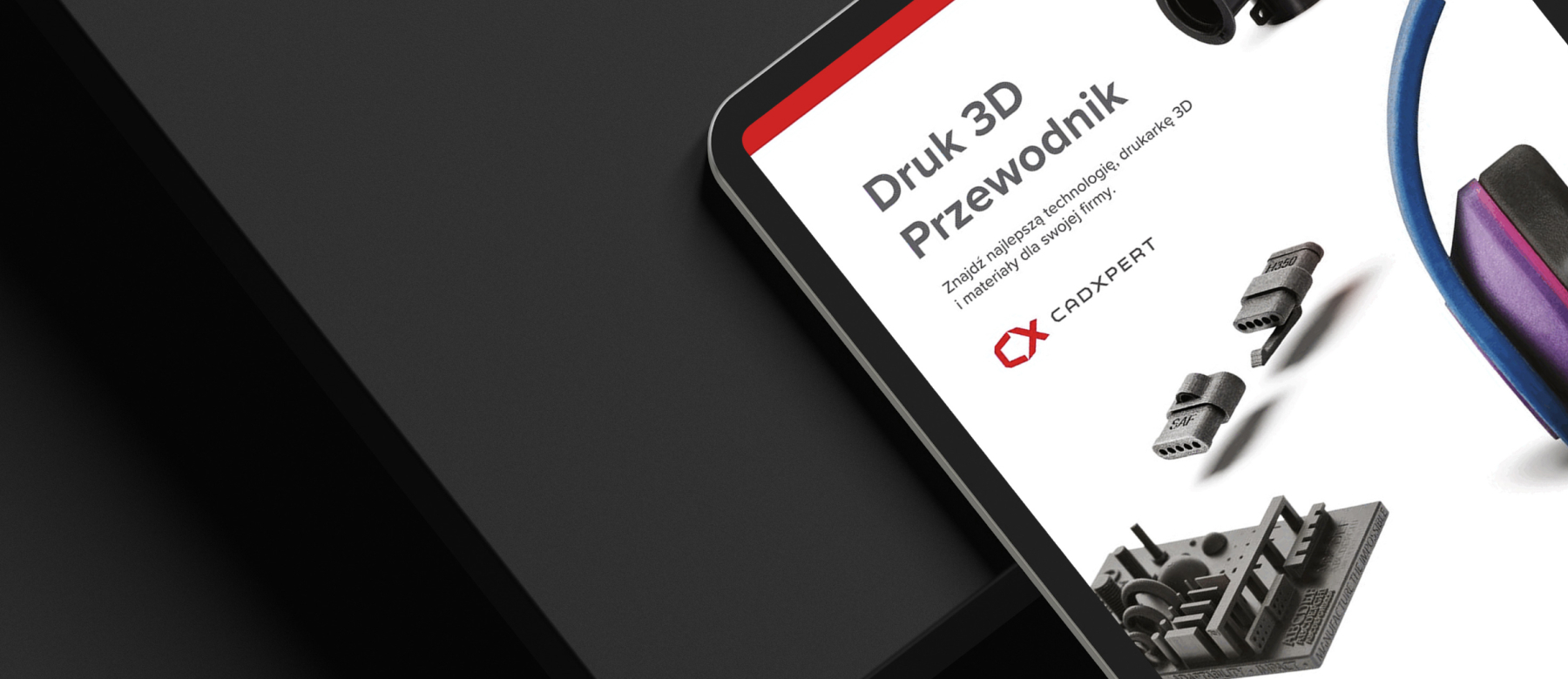
3D printing guide

We know that our customers need a better understanding of what incremental manufacturing technologies are before deciding to outsource service printing.

With this in mind, we have created a “Guide to 3D Printing” to help you figure out the basics of 3D printing. It’s 40 pages of practical information and help for decision makers at our customers. You’ll learn about technologies, applications and materials so that it’s easier to choose solutions tailored to your case.

What do I find in the guide?

  • The answer to what 3D printing is
  • Descriptions of 3D printing technologies (FDM, PolyJet, SLA, SLS)
  • Help on how to choose the right technology
  • Help on how to choose the right material for your application

    Consult 3D printing services

    1
    2

    What questions will help you assess your situation?

    1. 1

      Do you have a finished file/technical drawing of the part?

    2. 2

      What kind of environment will the components operate in and will they be exposed to UV radiation?

    3. 3

      In what temperature range will the component operate?

    4. 4

      Will the details be exposed to chemical liquids, oils?

    5. 5

      Will the item be subjected to any load, if so, what kind?

    6. 6

      Does the print require; surface smoothing, varnishing, threaded inserts, polishing?

    7. 7

      Is certification required?
      – non-flammability
      – for food contact
      – biocompatibility

    Submit the form, our consultant will contact you within 15 minutes

    Konsultant duku 3D